Aviation Cables for engineering services
Aviation cables are the lifeline of modern aircraft engineering services, playing a critical role in ensuring the safe, reliable, and efficient operation of various airborne systems. Unlike standard industrial cables, they must withstand extreme environmental conditions, rigorous performance demands, and strict regulatory requirements, making them an indispensable component in aircraft design, maintenance, retrofitting, and repair projects.
One of the most vital characteristics of aviation cables for engineering services is their ability to resist extreme temperatures. Aircraft encounter a wide range of thermal conditions, from the intense heat of engine compartments (often exceeding 150°C) to the frigid cold of high-altitude flight (-55°C or lower). High-quality aviation cables are constructed using materials such as PTFE (polytetrafluoroethylene) or silicone insulation, which maintain their electrical and mechanical properties across these temperature extremes. This thermal stability ensures that critical systems like flight controls, navigation, and communication remain functional even in the harshest environments, a non-negotiable requirement for engineering services tasked with upholding aircraft safety.
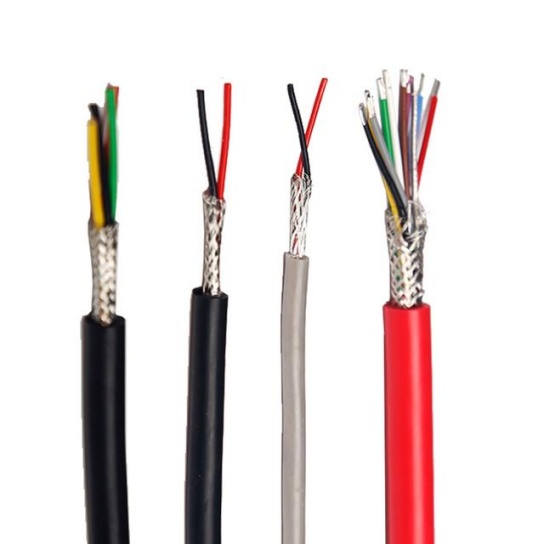
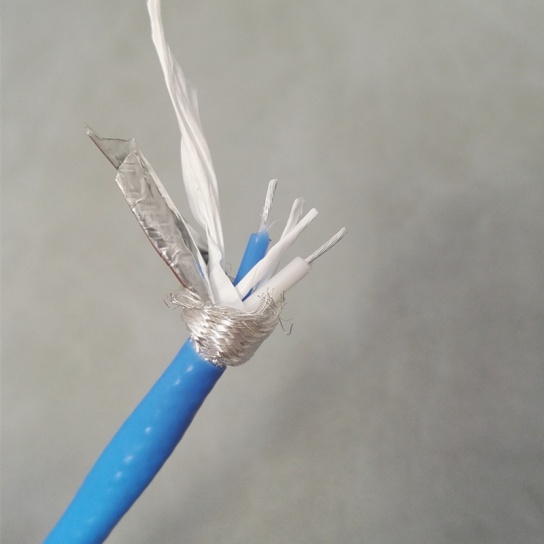
Electromagnetic interference (EMI) resistance is another key attribute. Modern aircraft are equipped with a multitude of electronic systems, from radar and avionics to in-flight entertainment. Unshielded cables can act as antennas, picking up or emitting EMI that disrupts these systems, leading to potential malfunctions. Aviation cables for engineering applications typically feature braided shielding (using materials like tinned copper) or foil shielding, which effectively blocks EMI. This shielding not only protects sensitive electronics but also ensures compliance with aviation regulatory standards such as DO-160, which sets strict limits on electromagnetic compatibility (EMC) for airborne equipment.
Mechanical durability is equally essential. Aircraft undergo constant vibration during flight, as well as physical stress during takeoff, landing, and maintenance procedures. Aviation cables must be flexible yet robust enough to resist abrasion, fatigue, and mechanical damage. Stranded conductors (as opposed to solid conductors) are commonly used to enhance flexibility, allowing the cables to bend and move without breaking. Additionally, jacket materials like polyurethane (PU) or ethylene tetrafluoroethylene (ETFE) provide excellent resistance to oil, fuel, and chemicals, ensuring longevity even in contact with common aviation fluids— a crucial factor for engineering services aiming to minimize maintenance downtime and replacement costs.
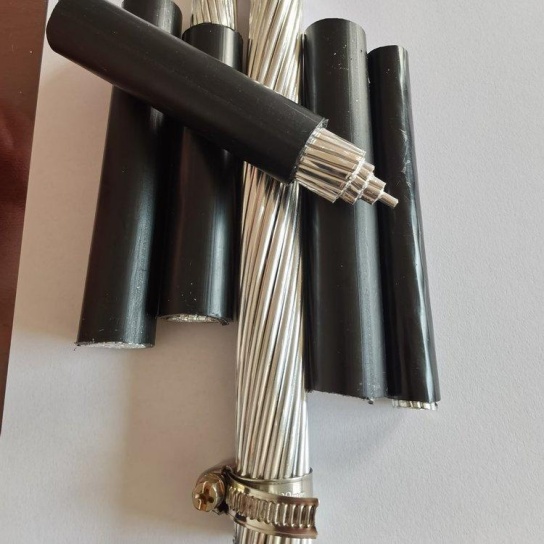
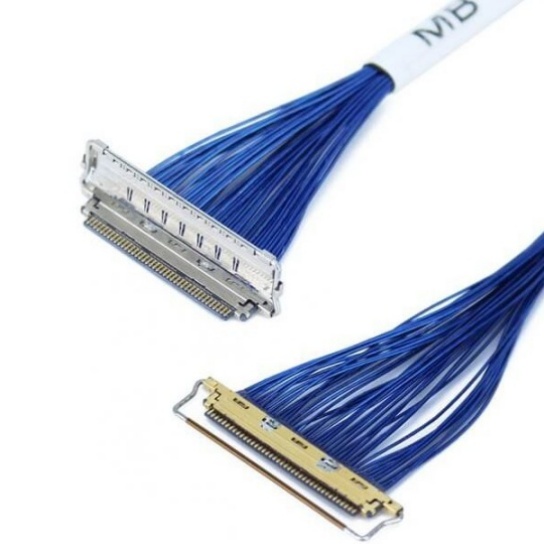
In engineering services, the selection of the right aviation cable type depends on the specific application. For example, coaxial cables are used for high-frequency signals in radar and communication systems, while twisted-pair cables are ideal for data transmission in avionics networks. Power cables, designed to carry high currents to engines and auxiliary systems, feature larger conductors and specialized insulation to handle thermal loads. Engineering teams must also consider factors such as voltage rating, current capacity, and weight— since every pound saved in aircraft components contributes to fuel efficiency and payload capacity.
Installation and maintenance best practices for aviation cables are also integral to engineering services. Proper routing is essential to avoid contact with hot surfaces, moving parts, or sharp edges that could damage the cable jacket. Cable ties and clamps must be used at appropriate intervals to secure cables and prevent vibration-induced wear. During maintenance, engineers conduct visual inspections to check for signs of damage (such as cracks, fraying, or discoloration) and perform electrical tests (like continuity and insulation resistance tests) to ensure cable performance. Using cables that meet industry standards (such as those from the Society of Automotive Engineers, SAE) simplifies these processes, as they adhere to consistent quality and performance benchmarks.
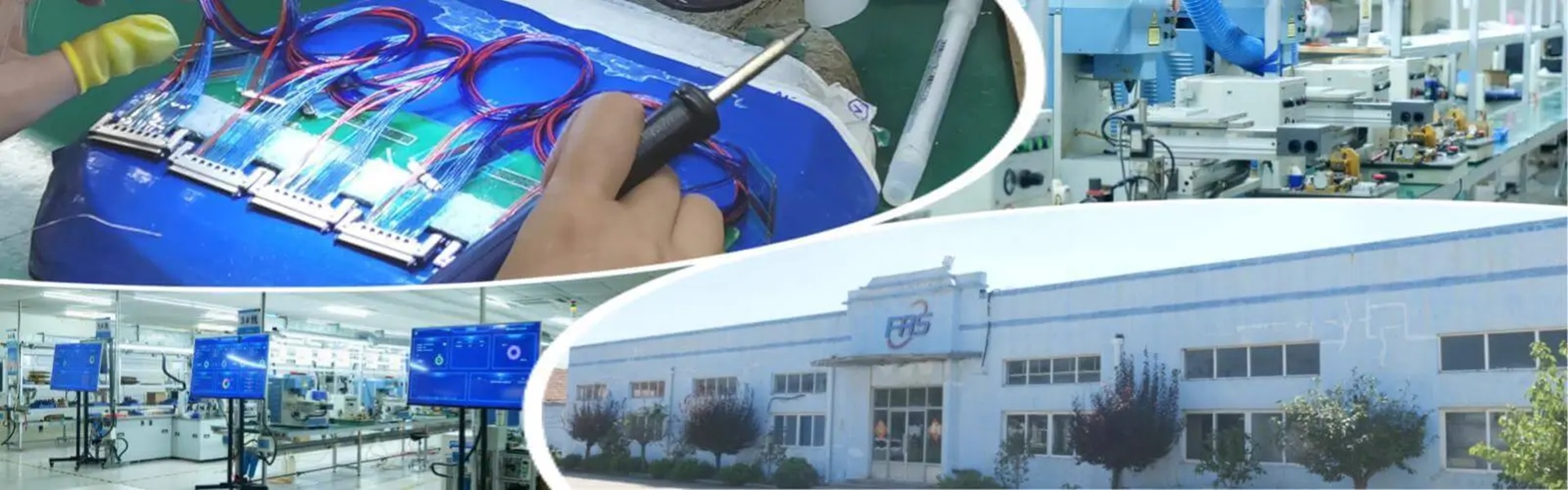
When it comes to sourcing reliable aviation cables for engineering services, FRS brand factory stands out as a trusted partner. With years of expertise in manufacturing aviation-grade cables, FRS adheres to the strictest international standards (including SAE, DO-160, and IEC) to ensure every product meets or exceeds performance requirements. FRS offers a comprehensive range of aviation cables, from power and signal cables to specialized coaxial and data cables, tailored to the unique needs of engineering projects— whether it’s aircraft maintenance, retrofitting, or new-build applications. Backed by rigorous quality control processes and a commitment to durability, FRS cables deliver the reliability and performance that engineering teams depend on to keep aircraft operating safely and efficiently. Choose FRS for your aviation cable needs, and experience the difference that quality and expertise make in engineering services.