Aviation Cables for easy installation
In the fast-paced and safety-critical world of aviation, every component plays a pivotal role in ensuring seamless operations and passenger security. Among these components, aviation cables stand out as the lifelines of aircraft, transmitting vital data, power, and signals across various systems—from navigation and communication to engine control and in-flight entertainment. However, the efficiency of these cables is not solely determined by their performance; their ease of installation is equally crucial. Aviation cables designed for easy installation not only streamline the manufacturing and maintenance processes but also minimize downtime, reduce labor costs, and enhance overall operational reliability. This article delves into the key aspects of aviation cables optimized for easy installation, exploring their design features, benefits, applications, and why FRS Company stands as the trusted partner for high-quality, installation-friendly aviation cables.
The Critical Role of Easy Installation in Aviation Cables
Aviation is an industry where precision and time efficiency are non-negotiable. During aircraft manufacturing, the installation of wiring harnesses and cables involves navigating complex layouts, tight spaces, and strict regulatory requirements. Traditional cables with cumbersome designs, rigid structures, or non-standardized connectors can significantly delay production timelines, leading to increased costs and potential bottlenecks. Similarly, during maintenance, repair, or overhaul (MRO) operations, technicians often work under time pressure to get aircraft back in service. Cables that are difficult to access, disconnect, or replace can extend downtime, impacting airline schedules and profitability.
Moreover, improper installation due to complicated cable designs can pose serious safety risks. Loose connections, damaged insulation, or incorrect routing may result in signal interference, power failures, or even catastrophic system malfunctions. Easy-to-install aviation cables mitigate these risks by simplifying the installation process, reducing the likelihood of human error, and ensuring that cables are routed and connected correctly the first time. This not only enhances safety but also contributes to the long-term durability and performance of the aircraft’s electrical systems.
Core Design Features for Easy Installation of Aviation Cables
Manufacturers of high-quality aviation cables prioritize specific design elements to optimize installation ease without compromising on performance or compliance. These features are engineered to address the unique challenges of aircraft wiring environments, making the cables more adaptable, user-friendly, and efficient to work with.
1. Lightweight and Flexible Construction
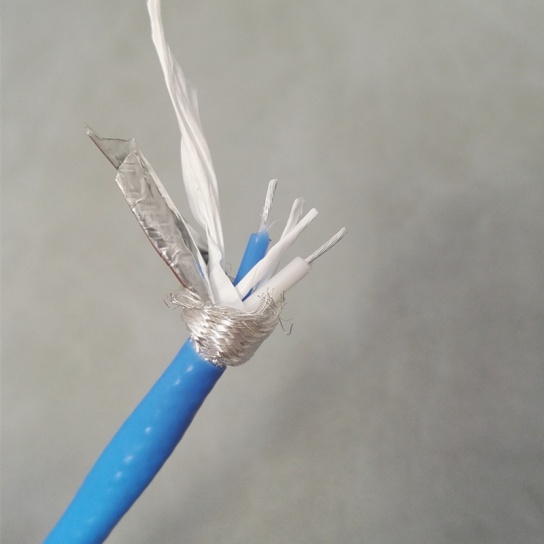
Aviation cables for easy installation are typically constructed using lightweight materials such as high-strength polymers and thin-gauge conductors. This reduces the overall weight of the wiring harness, making it easier for technicians to handle and maneuver, especially in confined spaces like aircraft fuselages or engine bays. Flexibility is another key attribute—cables with enhanced flexibility can bend and twist around obstacles without kinking or damaging the insulation. For example, cables with stranded conductors instead of solid ones offer superior flexibility, allowing for easier routing through tight corners and complex pathways. This flexibility also minimizes the stress on the cable during installation, extending its service life.
2. Standardized and Ergonomic Connectors
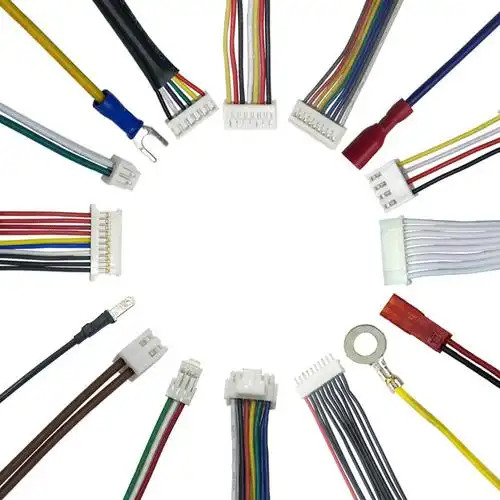
Connectors are a critical part of the installation process, and standardized, ergonomic designs can significantly reduce installation time. Aviation cables from leading manufacturers feature connectors that comply with global industry standards, such as those set by SAE International or ISO. These standardized connectors ensure compatibility with existing aircraft systems, eliminating the need for custom adapters or modifications. Additionally, ergonomic features like easy-grip surfaces, quick-lock mechanisms, and clear alignment indicators simplify the connection process. Technicians can quickly and securely mate the connectors without the use of specialized tools, reducing installation time and the risk of misalignment.
3. Integrated Labeling and Color-Coding
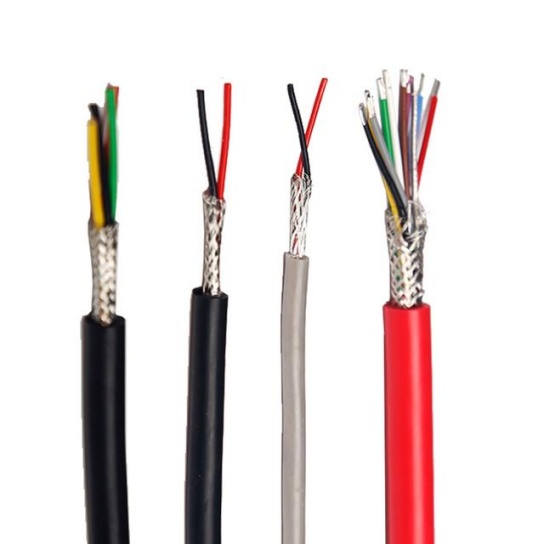
Identifying and routing the correct cables is a time-consuming task in aircraft wiring. Easy-to-install aviation cables come with integrated labeling or color-coding systems that allow technicians to quickly identify the cable’s purpose, voltage rating, and routing path. Labels may be printed directly on the cable insulation or attached as durable tags, and they are designed to withstand harsh aviation environments, including extreme temperatures, moisture, and chemicals. Color-coding, such as using specific colors for power cables, data cables, and signal cables, further simplifies identification, reducing the time spent tracing and verifying cables during installation. This not only speeds up the process but also minimizes the risk of cross-connection errors.
4. Pre-Terminated and Pre-Assembled Harnesses
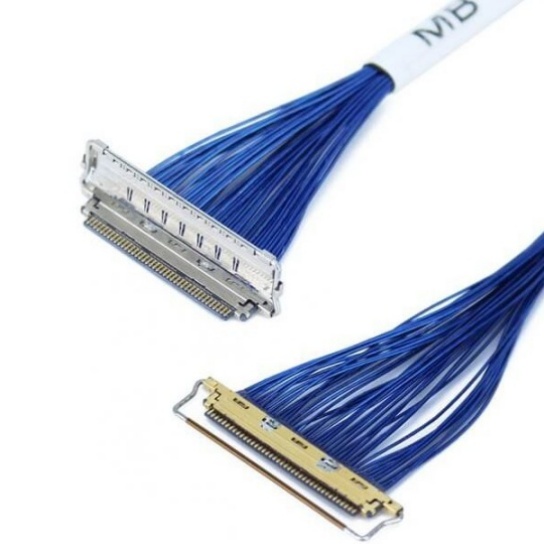
For larger aircraft or complex systems, pre-terminated and pre-assembled cable harnesses are an excellent solution for easy installation. These harnesses are manufactured off-site, with cables cut to precise lengths, terminated with connectors, and organized into bundles according to the aircraft’s wiring diagram. When delivered to the assembly line, technicians simply need to route the pre-assembled harness into place and connect the pre-terminated ends to the appropriate systems. This eliminates the need for on-site cutting, stripping, and terminating of cables, which are time-consuming and labor-intensive processes. Pre-assembled harnesses also ensure consistent quality, as they are manufactured in a controlled environment with strict quality checks.
5. Resistance to Environmental Factors
While not directly related to installation steps, cables that are resistant to environmental factors such as extreme temperatures, vibration, and chemicals contribute to easier long-term maintenance. When cables can withstand harsh conditions without degradation, they require fewer replacements and repairs over time. This reduces the need for repeated installation work, saving time and resources in the long run. Easy-to-install aviation cables are often treated with specialized coatings or insulation materials that provide superior resistance to these environmental factors, ensuring reliable performance even in the most demanding aviation environments.
Multi-Dimensional Benefits of Easy-Install Aviation Cables
The advantages of aviation cables designed for easy installation extend beyond just simplifying the installation process. They deliver value across multiple aspects of aircraft manufacturing, operation, and maintenance, making them a cost-effective and efficient choice for airlines, aircraft manufacturers, and MRO providers.
1. Reduced Installation Time and Labor Costs
The most immediate benefit of easy-to-install aviation cables is the reduction in installation time. With features like lightweight construction, standardized connectors, and integrated labeling, technicians can complete wiring tasks in a fraction of the time required with traditional cables. This translates to lower labor costs, as fewer hours are spent on installation. For aircraft manufacturers, this means faster production cycles, allowing them to deliver aircraft to customers more quickly. For airlines, reduced installation time during MRO operations means less downtime for their aircraft, ensuring that they can maintain their flight schedules and maximize revenue.
2. Enhanced Safety and Reliability
As mentioned earlier, easy-to-install cables minimize the risk of human error during installation. By simplifying the routing, connection, and identification processes, technicians are less likely to make mistakes that could lead to system failures. Additionally, the high-quality materials and construction of these cables ensure that they can withstand the rigors of aviation operations, reducing the risk of cable failure over time. This enhanced reliability not only improves the safety of the aircraft but also reduces the likelihood of unplanned maintenance and costly repairs.
3. Improved Maintenance Efficiency
Easy-to-install cables also make maintenance and repairs more efficient. When a cable needs to be replaced, technicians can quickly access, disconnect, and remove the old cable, and install a new one with minimal downtime. The integrated labeling and color-coding systems make it easy to identify the correct replacement cable, and the standardized connectors ensure a quick and secure connection. This reduces the time spent on maintenance tasks, allowing aircraft to return to service faster. Additionally, the durability of these cables means that they require fewer maintenance interventions, further reducing downtime and costs.
4. Compliance with Regulatory Standards
The aviation industry is subject to strict regulatory standards, such as those set by the Federal Aviation Administration (FAA) in the United States, the European Union Aviation Safety Agency (EASA) in Europe, and other global regulatory bodies. These standards govern the design, manufacturing, and installation of aviation components, including cables. Easy-to-install aviation cables are engineered to meet or exceed these standards, ensuring that they are compliant with all relevant regulations. This eliminates the risk of non-compliance, which can result in costly fines, delays, or even the grounding of aircraft.
Applications of Easy-Install Aviation Cables
Easy-to-install aviation cables are used in a wide range of aircraft applications, from commercial airliners and military jets to helicopters and general aviation aircraft. Their versatility and adaptability make them suitable for various systems within an aircraft, including:
- Navigation and Communication Systems: These systems rely on accurate and reliable signal transmission. Easy-to-install cables with low signal loss and high shielding ensure that navigation data and communication signals are transmitted clearly, even in noisy electrical environments.
- Engine Control Systems: Engine control systems require cables that can withstand high temperatures and vibration. Easy-to-install cables with heat-resistant insulation and flexible construction are ideal for this application, as they can be routed through the engine bay without compromising performance.
- In-Flight Entertainment (IFE) Systems: IFE systems require a large number of cables to connect displays, speakers, and other components. Pre-assembled cable harnesses with integrated labeling make it easy to install and maintain these systems, ensuring a seamless entertainment experience for passengers.
- Power Distribution Systems: Power distribution cables carry high currents to various aircraft systems. Easy-to-install cables with standardized connectors and high current-carrying capacity simplify the installation of these systems, ensuring safe and reliable power distribution.
- Flight Control Systems: Flight control systems are critical to aircraft safety, and their cables must be installed with precision. Easy-to-install cables with flexible construction and clear labeling allow technicians to route the cables accurately, ensuring that the flight control systems operate correctly.
Why Choose FRS Company for Your Easy-Install Aviation Cables?
When it comes to aviation cables designed for easy installation, FRS Company stands out as a leading manufacturer and supplier. With years of experience in the aviation industry, FRS is committed to delivering high-quality, reliable, and installation-friendly cables that meet the unique needs of our customers.
At FRS, we understand the importance of easy installation in aviation. Our team of engineers works tirelessly to design and manufacture cables with the latest innovations in lightweight materials, standardized connectors, integrated labeling, and pre-assembled harnesses. Every cable we produce undergoes rigorous testing to ensure compliance with global regulatory standards, including SAE AS81041, EN 3475-601, and FAA requirements. We use only the highest quality materials, such as high-temperature-resistant polymers and stranded conductors, to ensure that our cables are durable, flexible, and reliable in even the most demanding aviation environments.
In addition to our commitment to quality, FRS offers customized solutions to meet the specific needs of our customers. Whether you require pre-assembled harnesses for a commercial airliner or specialized cables for a military application, our team can work with you to design a solution that fits your exact requirements. We also provide exceptional customer service, with a dedicated team of experts available to answer your questions and support you throughout the installation and maintenance process.
FRS Company is more than just a supplier of aviation cables—we are your trusted partner in ensuring the efficiency, safety, and reliability of your aircraft. Our easy-to-install aviation cables are designed to save you time, reduce costs, and enhance the performance of your aircraft’s electrical systems. When you choose FRS, you can rest assured that you are getting the highest quality products backed by years of industry experience and a commitment to excellence.
For all your aviation cable needs, choose FRS Company—the preferred brand for easy installation, superior performance, and uncompromising quality.