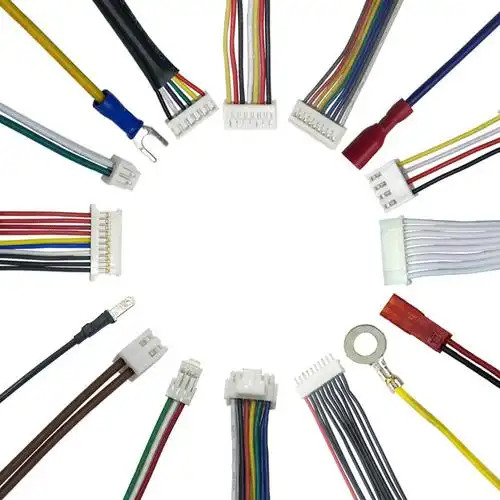
Aviation Cables for DGCA approval
In the dynamic and safety-critical world of aviation, every component plays a pivotal role in ensuring the seamless and secure operation of aircraft. Among these components, aviation cables stand out as the lifelines that transmit power, data, and signals across various systems—from navigation and communication to engine control and passenger safety features. However, not all aviation cables are created equal. For cables used in Indian aviation, compliance with the Directorate General of Civil Aviation (DGCA) approval is non-negotiable. This article delves into the significance of Aviation Cables for DGCA approval, the stringent requirements they must meet, the benefits of choosing DGCA-compliant cables, and why FRS stands as the trusted partner for these critical components.
Understanding DGCA: The Guardian of Indian Aviation Safety
The Directorate General of Civil Aviation (DGCA) is the regulatory body responsible for overseeing and regulating civil aviation in India. Established under the Ministry of Civil Aviation, its primary mandate is to ensure the safety, security, and efficiency of air transport operations within the country. DGCA sets and enforces standards for all aspects of civil aviation, including aircraft design, manufacturing, maintenance, crew training, and the quality of components used in aircraft.
When it comes to aviation cables, DGCA approval is a testament that the product has undergone rigorous testing and evaluation to meet the highest safety and performance standards. This approval is not just a formality; it is a critical requirement for any aviation cable intended for use in Indian-registered aircraft, airports, or aviation-related infrastructure. Non-compliant cables pose significant risks, including signal interference, power failures, short circuits, and even catastrophic accidents. Thus, DGCA approval serves as a cornerstone of aviation safety in India.
Key Requirements for DGCA-Approved Aviation Cables
DGCA has laid down comprehensive specifications that aviation cables must adhere to in order to obtain approval. These requirements are designed to ensure that cables can withstand the harsh operating conditions of the aviation environment while maintaining optimal performance. Some of the key requirements include:
1. Material Quality and Durability
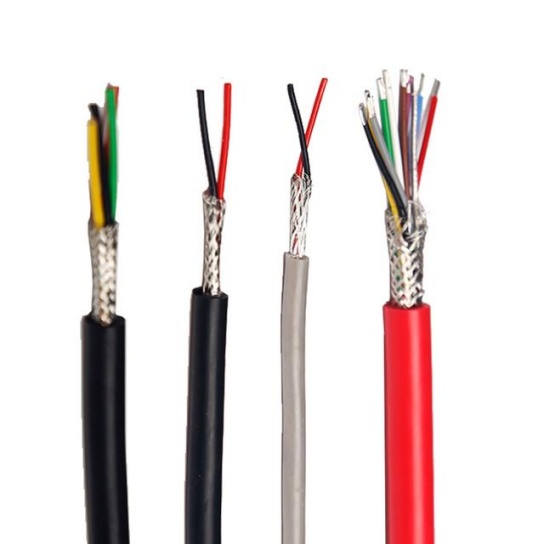
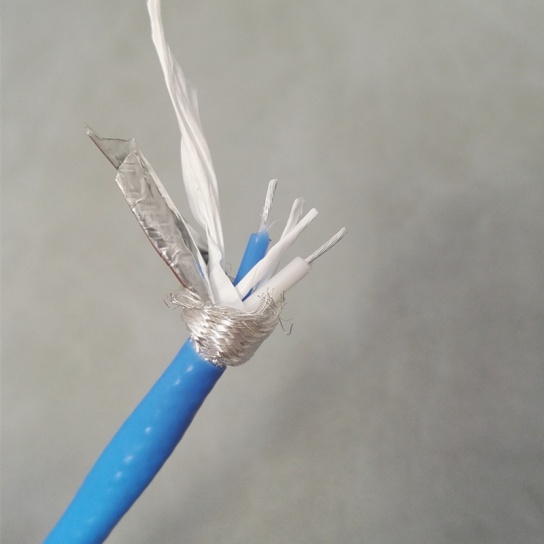
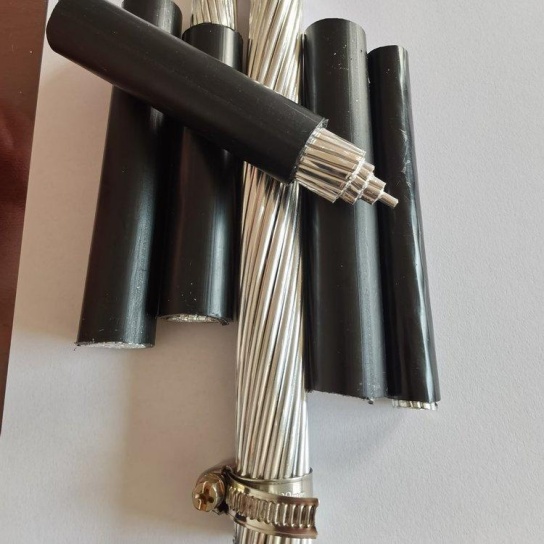
DGCA-approved aviation cables must be manufactured using high-quality, aviation-grade materials that are resistant to extreme temperatures, moisture, chemicals, and mechanical stress. The conductors are typically made of high-purity copper or aluminum, which offer excellent electrical conductivity and corrosion resistance. The insulation and sheathing materials must be flame-retardant, low-smoke, and low-toxicity to minimize the risk of fire and harmful fumes in the event of a malfunction. Materials such as cross-linked polyethylene (XLPE), ethylene propylene rubber (EPR), and fluoropolymers (e.g., PTFE) are commonly used due to their superior thermal and chemical resistance.
2. Electrical Performance
Electrical performance is a critical parameter for aviation cables. DGCA specifies strict limits on conductor resistance, insulation resistance, capacitance, and signal attenuation. Cables must be able to transmit power and signals with minimal loss and interference, even in high-frequency environments. For data and communication cables, impedance matching is essential to ensure reliable signal transmission without distortion. Additionally, cables must be designed to withstand voltage surges and electromagnetic interference (EMI) from other aircraft systems, which can disrupt signal integrity.
3. Environmental Resistance
Aircraft operate in a wide range of environmental conditions, from freezing temperatures at high altitudes to hot and humid conditions during ground operations. DGCA-approved cables must be able to perform consistently across a temperature range of -65°C to +150°C (or higher, depending on the application). They must also be resistant to moisture, oil, fuel, and other aviation fluids that can degrade the insulation and sheathing. Furthermore, cables must be able to withstand vibration and mechanical shock, which are common during takeoff, landing, and in-flight turbulence.
4. Fire Safety
Fire is one of the greatest risks in aviation, and DGCA has stringent requirements for fire safety in aviation cables. Cables must be flame-retardant, meaning they should not support combustion or spread fire when exposed to a flame. They must also produce low smoke and low toxic gases when burned, as smoke inhalation is a major cause of fatalities in aircraft fires. DGCA tests cables for flame spread, smoke density, and toxicity in accordance with international standards such as SAE AS 22759, MIL-W-22759, and IEC 60332.
5. Compliance with International and National Standards
DGCA approval is often aligned with international aviation standards set by organizations such as the Society of Automotive Engineers (SAE), the International Electrotechnical Commission (IEC), and the Federal Aviation Administration (FAA). Cables must meet the requirements of these standards in addition to DGCA’s specific national requirements. For example, SAE AS 22759 specifies the requirements for electrical wires and cables for use in aircraft, while MIL-W-22759 is a military standard that is widely adopted in aviation. Compliance with these standards ensures that DGCA-approved cables are compatible with global aviation systems and can be used in both domestic and international operations.
The Importance of Choosing DGCA-Approved Aviation Cables
Choosing DGCA-approved aviation cables is not just a regulatory requirement; it is a decision that directly impacts the safety, reliability, and efficiency of aviation operations. Here are some of the key reasons why DGCA approval is essential:
- Safety Assurance: DGCA-approved cables undergo rigorous testing to ensure they can withstand the harsh conditions of aviation and minimize the risk of failures that could lead to accidents. This provides peace of mind to aircraft operators, maintenance teams, and passengers.
- Regulatory Compliance: Using non-DGCA-approved cables can result in severe penalties, including fines, grounding of aircraft, and legal liabilities. Compliance with DGCA standards ensures that aviation operators meet all regulatory requirements and avoid disruptions to their operations.
- Reliable Performance: DGCA-approved cables are designed to deliver consistent performance over their lifespan, even in extreme conditions. This reduces the need for frequent replacements and maintenance, leading to lower operational costs and increased uptime for aircraft.
- Compatibility: DGCA-approved cables are compatible with other aviation components and systems, ensuring seamless integration and operation. This is particularly important in modern aircraft, which rely on complex electronic systems that require reliable signal and power transmission.
- Global Acceptance: Since DGCA standards are aligned with international aviation standards, DGCA-approved cables are often accepted in other countries, making them a versatile choice for aviation operators with global operations.
Common Applications of DGCA-Approved Aviation Cables
DGCA-approved aviation cables are used in a wide range of applications across the aviation industry. Some of the most common applications include:
1. Aircraft Electrical Systems
These cables are used to transmit power from the aircraft’s generators and batteries to various electrical systems, including lighting, avionics, navigation equipment, and engine control systems. They must be able to handle high currents and voltages while maintaining stability.
2. Communication Systems
DGCA-approved cables are used in communication systems to transmit voice, data, and video signals between the aircraft and ground stations, as well as between different systems on the aircraft. These cables must have low signal attenuation and high EMI resistance to ensure clear communication.
3. Avionics Systems
Avionics systems, such as flight control systems, radar systems, and GPS receivers, rely on DGCA-approved cables to transmit critical data and signals. These cables must be highly reliable and accurate to ensure the safe operation of the aircraft.
4. Airport Infrastructure
DGCA-approved cables are also used in airport infrastructure, including runway lighting, baggage handling systems, security systems, and passenger information systems. These cables must be able to withstand outdoor conditions, including weather, moisture, and mechanical stress.
5. Maintenance and Repair
During aircraft maintenance and repair, DGCA-approved cables are used to replace old or damaged cables to ensure that the aircraft remains compliant with safety standards. Using genuine DGCA-approved cables during maintenance helps to maintain the aircraft’s performance and safety.
Why FRS is the Trusted Partner for DGCA-Approved Aviation Cables
When it comes to Aviation Cables for DGCA approval, FRS stands out as a leading manufacturer and supplier with a proven track record of delivering high-quality, compliant products. FRS understands the critical role that aviation cables play in ensuring safety and reliability, and we are committed to meeting and exceeding the stringent requirements set by DGCA and international aviation standards.
At FRS, we leverage state-of-the-art manufacturing facilities and cutting-edge technology to produce aviation cables that are built to last. Our cables are manufactured using premium-grade materials, including high-purity copper conductors and flame-retardant insulation, ensuring superior electrical performance, environmental resistance, and fire safety. We subject every batch of cables to rigorous testing in our in-house laboratories, covering parameters such as conductor resistance, insulation resistance, flame spread, smoke density, and temperature resistance. This ensures that each cable meets the exact specifications of DGCA approval.
What sets FRS apart is our unwavering commitment to quality and customer satisfaction. Our team of experienced engineers and quality control experts works closely with customers to understand their specific requirements and provide customized solutions that meet their unique needs. Whether you need cables for commercial aircraft, military aviation, or airport infrastructure, FRS has the expertise and capabilities to deliver the right product.
In addition to DGCA approval, FRS cables also comply with international standards such as SAE AS 22759, MIL-W-22759, and IEC 60332, making them suitable for global applications. We maintain a robust supply chain to ensure timely delivery of products, even for large-scale orders. Our dedication to quality has earned us the trust of leading aviation operators, maintenance, repair, and overhaul (MRO) facilities, and aircraft manufacturers across India and beyond.
When you choose FRS for your DGCA-approved aviation cable needs, you are not just buying a product; you are partnering with a company that prioritizes safety, reliability, and innovation. We are committed to supporting the growth of the Indian aviation industry by providing high-quality components that contribute to the safety and efficiency of air transport operations.
In conclusion, Aviation Cables for DGCA approval are a critical component of aviation safety and compliance in India. Choosing the right supplier is essential to ensure that you get cables that meet the highest standards of quality and performance. FRS is proud to be a trusted partner for DGCA-approved aviation cables, offering superior products, customized solutions, and exceptional customer service. Contact FRS today to learn more about our range of DGCA-approved aviation cables and how we can meet your specific requirements.