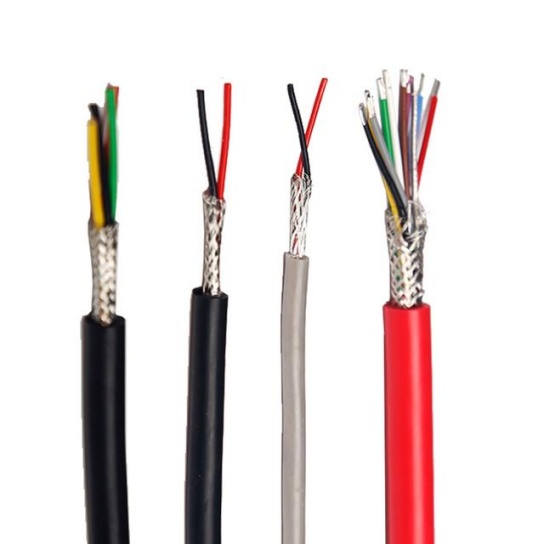
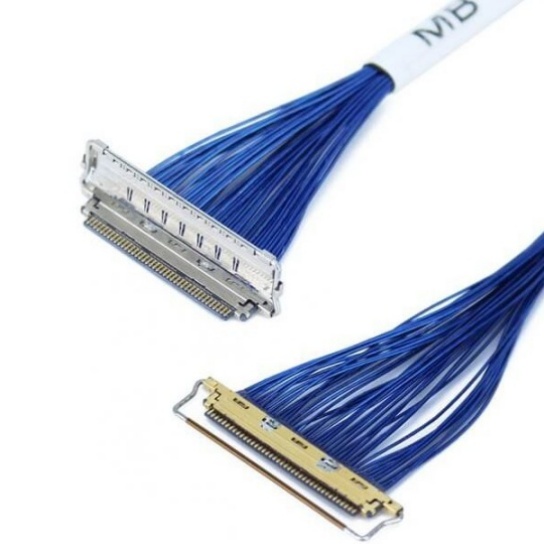
Aviation Cables for custom solutions
In the aviation industry, where safety, reliability, and performance are non-negotiable, off-the-shelf aviation cables often fall short of meeting the unique requirements of specialized applications. Custom aviation cable solutions have emerged as a critical enabler, tailored to address the distinct challenges posed by diverse aircraft types, mission profiles, and environmental conditions. Unlike standard cables, which follow generic specifications, custom options are engineered to align precisely with the specific needs of an aviation project, ensuring optimal functionality and long-term durability.
One of the primary drivers for custom aviation cables is the wide range of operating environments aircraft encounter. Commercial airliners, for instance, face temperature fluctuations from -55°C at high altitudes to 125°C near engine compartments, along with exposure to moisture, fuel vapors, and mechanical vibration. Military aircraft, on the other hand, may require cables resistant to electromagnetic interference (EMI), chemical warfare agents, or extreme shock loads during combat missions. General aviation planes, such as small propeller-driven aircraft, often have space constraints that demand compact, lightweight cables without compromising on conductivity. Custom solutions allow manufacturers to select materials, shielding, and insulation tailored to these exact environmental stressors, eliminating the risk of premature failure that could lead to costly downtime or safety hazards.
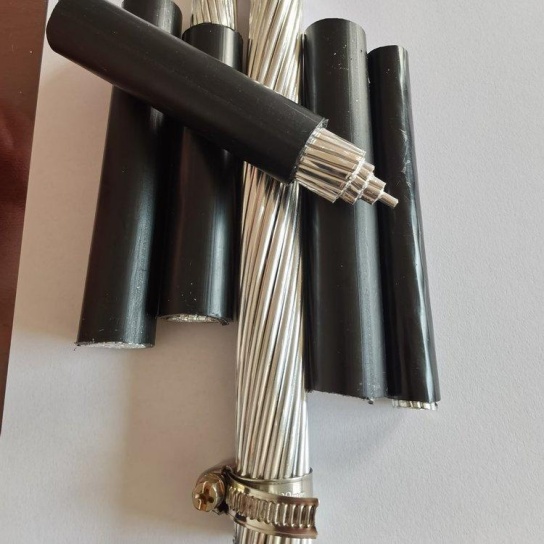
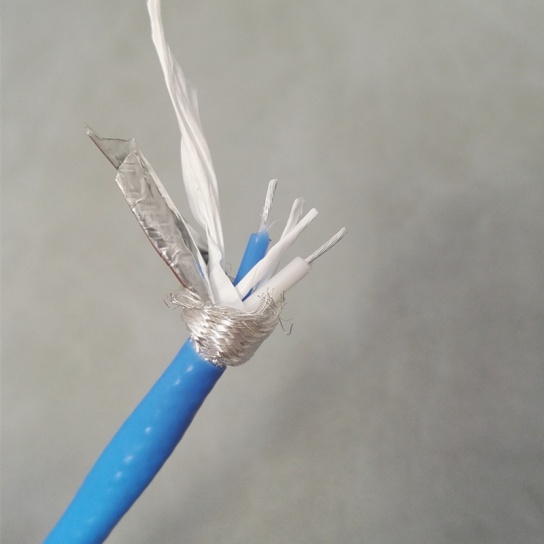
When developing custom aviation cables, several key factors must be considered to ensure compliance with stringent industry standards (such as SAE AS81041, MIL-DTL-27500, and EN 3475-601) and project-specific requirements. Material selection is foundational: conductors may be made of copper (for high conductivity) or aluminum (for weight reduction), with stranded configurations to enhance flexibility. Insulation and materials, such as fluoropolymers (PTFE, FEP) or ethylene-tetrafluoroethylene (ETFE), are chosen for their resistance to high temperatures, chemicals, and abrasion. Shielding is another critical element—options include braided copper, foil, or a combination of both—to protect signals from EMI, which is essential for avionics systems like navigation, communication, and flight control.
Performance parameters are equally vital in custom cable design. Voltage and current ratings must match the power demands of the application, whether it’s powering large engines or low-voltage sensors. Flexibility and bend radius are crucial for cables routed through tight spaces in aircraft fuselages or wings, as excessive bending can damage conductors or insulation. Additionally, flame resistance and smoke toxicity are non-negotiable, as aviation regulations mandate that cables must not propagate fire or release toxic fumes in the event of a malfunction. Custom solutions allow for precise calibration of these parameters, ensuring that the cable performs reliably under the exact conditions it will face in service.
The evolution of aviation technology has further amplified the need for custom cable solutions. The rise of electric and hybrid-electric aircraft, for example, requires high-voltage, high-current cables that can handle the unique demands of electric propulsion systems. Advanced avionics, such as fly-by-wire systems and in-flight entertainment networks, demand cables with low signal loss and high data transmission rates. Unmanned aerial vehicles (UAVs), or drones, often require ultra-lightweight, miniaturized cables to maximize flight time and maneuverability. Custom cable engineers work closely with aircraft manufacturers to anticipate these evolving needs, integrating cutting-edge materials and designs to support next-generation aviation technologies.
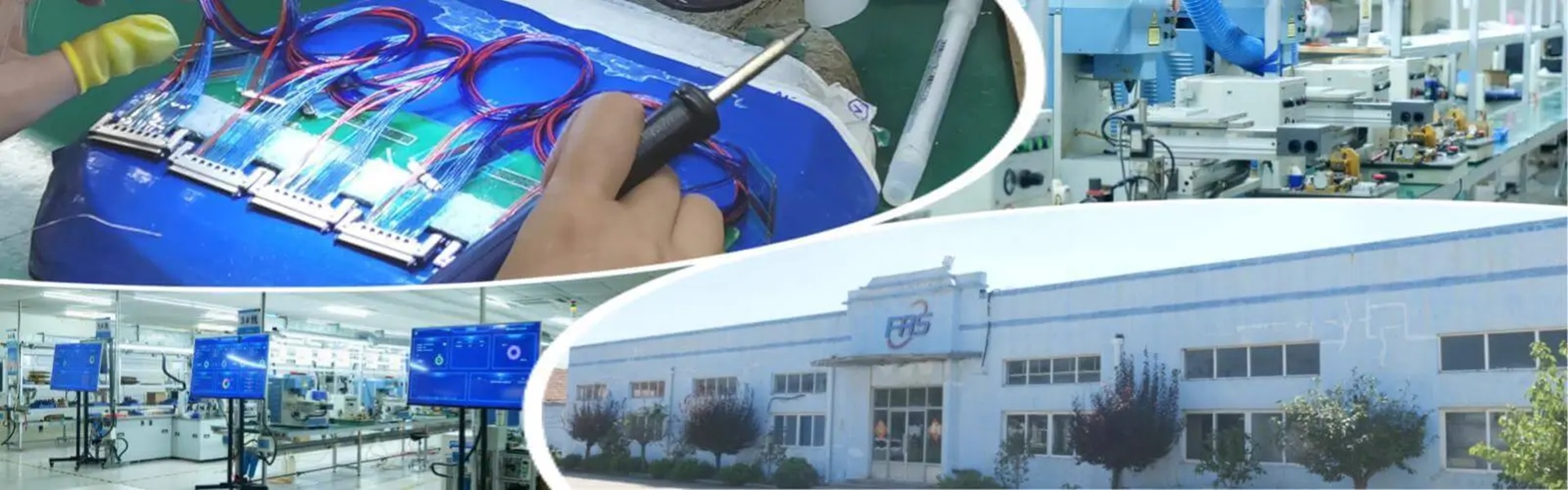
For aviation manufacturers and operators seeking reliable custom cable solutions, partnering with an experienced provider is essential. FRS brand factory stands out as a trusted leader in custom aviation cable engineering, with decades of expertise in meeting the industry’s most demanding requirements. FRS combines state-of-the-art manufacturing facilities with a customer-centric approach, working closely with clients to understand their unique project needs—from initial design concept to final production. Our cables are rigorously tested to comply with global aviation standards, ensuring uncompromising safety and performance. Whether you’re developing a commercial airliner, military aircraft, UAV, or specialized aviation system, FRS delivers tailored cable solutions that align with your goals, backed by exceptional quality control and on-time delivery. Choose FRS for custom aviation cables that keep your operations flying high.