Aviation Cables for Cockpit Voice Recorders
Cockpit Voice Recorders (CVRs)—often referred to as a core component of an aircraft’s “black box”—are critical for post-incident investigations, as they capture crew communications, ambient cockpit sounds, and system alerts. The aviation cables powering and transmitting data to CVRs are not ordinary wires; they are engineered to withstand the harshest airborne conditions while ensuring uninterrupted, error-free data flow—a non-negotiable requirement for aviation safety.
1. Non-Negotiable Technical Requirements for CVR Cables
CVRs operate in extreme environments, from high-altitude cold to engine-proximity heat, and their cables must meet rigorous standards to avoid failure. Key technical mandates include:
- Wide Temperature Resistance: Cables must function reliably across a range of -65°C to 200°C (and sometimes higher for engine-mounted CVRs). This requires insulation materials like fluoropolymers (e.g., PTFE or FEP) that resist thermal degradation.
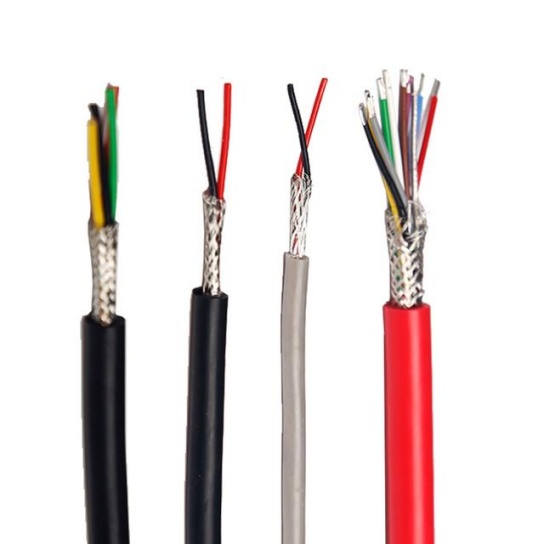
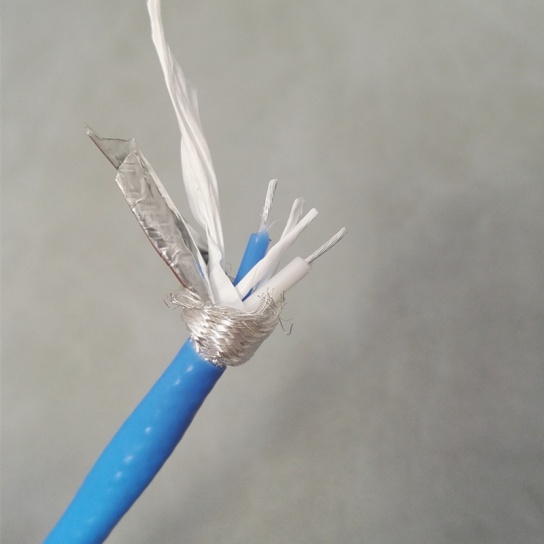
- Electromagnetic Interference (EMI) Shielding: Aircraft cockpits are dense with electronic systems (radars, avionics, communication tools) that emit EMI. CVR cables need multi-layer shielding—typically tinned copper braid combined with aluminum foil—to block interference and prevent data distortion in voice recordings.
- Mechanical Durability: Constant vibration during flight, occasional impact (e.g., maintenance), and flexing during installation demand cables with robust jackets (e.g., ETFE) and stranded conductors. These features prevent conductor breakage and jacket cracking over decades of use.
2. Core Performance Traits That Safeguard CVR Data
Beyond technical compliance, CVR cables must deliver performance that directly protects the integrity of recorded data:
- Signal Integrity: Voice and audio data are transmitted as low-voltage signals. Cables must have consistent impedance (usually 50 or 75 ohms) and minimal capacitance to avoid signal attenuation or delay—ensuring every word or alert is captured clearly.
- Flame-Retardant, Low-Smoke, Zero-Halogen (LSZH) Properties: In the event of a fire, CVR cables must not propagate flames. LSZH jackets also limit toxic smoke and halogen gas release, protecting crew and preserving CVR hardware for post-incident analysis.
- Chemical Resistance: Hydraulic fluids, jet fuel vapors, and cleaning solvents are common in aircraft. CVR cables must resist these chemicals to avoid jacket swelling or conductor corrosion, which could disrupt power or data transmission.
3. Key Considerations for CVR Cable Selection
When sourcing cables for CVR integration, aviation manufacturers and maintenance teams prioritize three factors:
- Regulatory Compliance: Cables must meet global aviation standards, including SAE AS81044 (for aerospace cables), ISO 6722 (for road and air vehicle cables), and EASA/FAA requirements. Non-compliant cables risk grounding aircraft or invalidating safety certifications.
- Long-Term Reliability: Aircraft have a service life of 20–30 years, so CVR cables must match this longevity. Look for cables tested for 10,000+ cycles of vibration and 20+ years of thermal aging without performance loss.
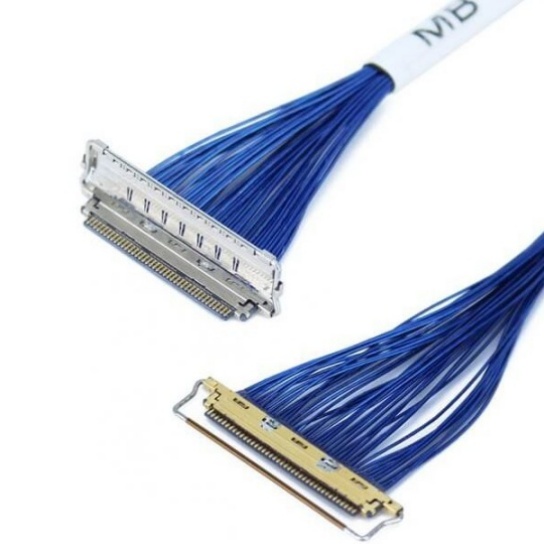
- Compatibility: Cables must align with CVR hardware specifications (e.g., connector types like MIL-DTL-38999) and cockpit wiring harnesses. Mismatched cables can cause connection failures or increase installation time.
Trust FRS for CVR Cables That Meet Aviation’s Highest Standards
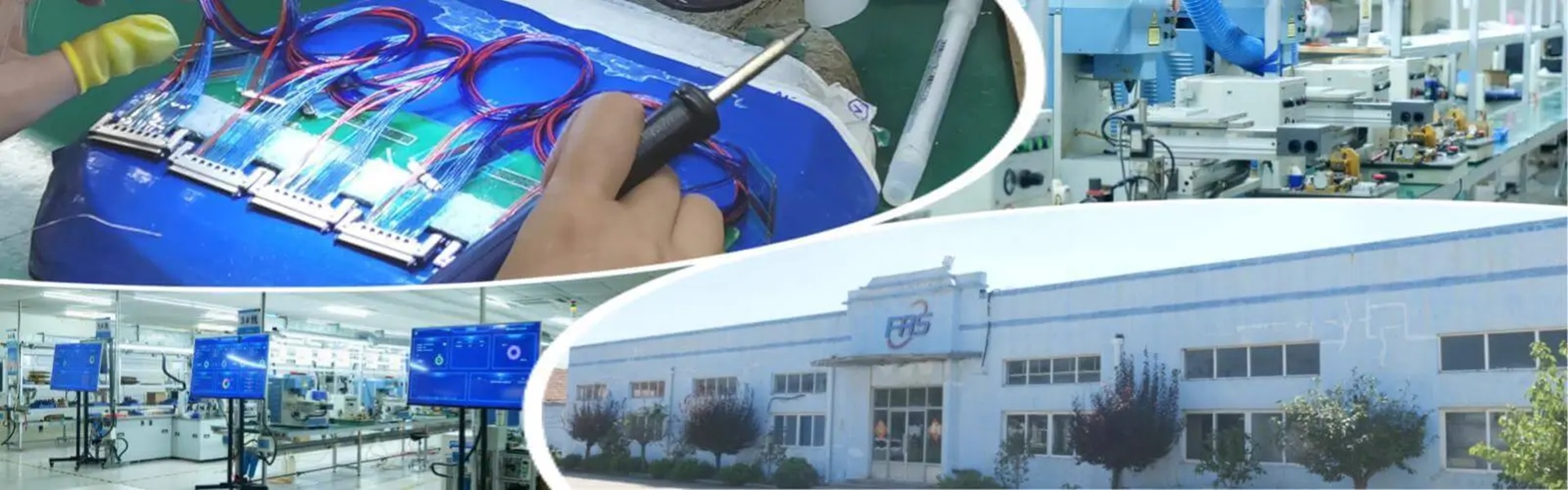
When reliability and safety are non-negotiable, FRS—an experienced aviation cable manufacturing facility—delivers solutions tailored to CVR demands. FRS’s CVR cables meet SAE AS81044, ISO 6722, and FAA/EASA standards, with PTFE insulation for extreme temperatures, multi-layer EMI shielding for clear data transmission, and LSZH jackets for fire safety. Every cable undergoes rigorous testing (vibration, thermal aging, chemical resistance) to ensure 30+ years of service—matching the lifespan of modern aircraft. For manufacturers and MROs seeking CVR cables that never compromise on performance, FRS is the trusted partner for aviation safety.