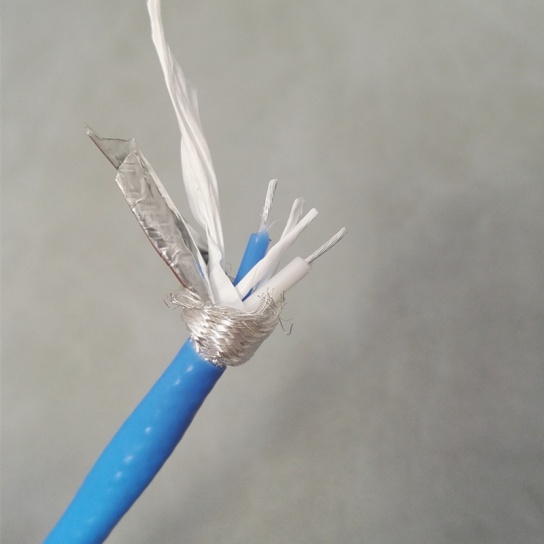
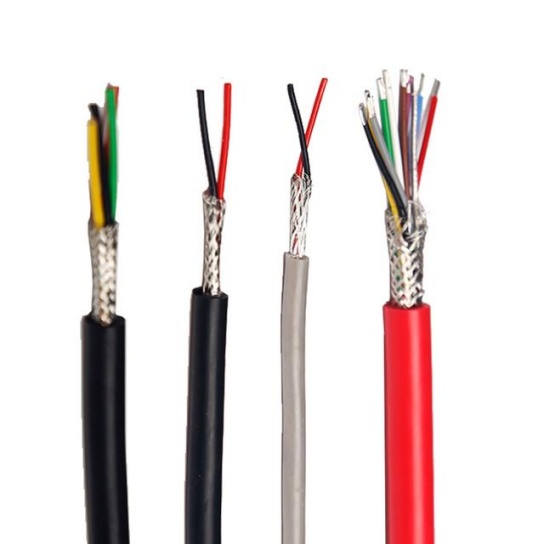
Aviation Cables for certification support
In the global aviation industry, where safety and reliability are non-negotiable priorities, every component plays a critical role in ensuring seamless operations and protecting human lives. Among these components, aviation cables stand out as the lifeline of aircraft systems, transmitting power, data, and signals across various critical subsystems—from flight control and navigation to communication and entertainment. However, not all aviation cables are created equal. The difference between a compliant, certified cable and a non-certified one can mean the difference between safe flight operations and catastrophic failures. This is where “Aviation Cables for certification support” becomes not just a product category, but a cornerstone of aviation safety and regulatory adherence.
Certification support for aviation cables is not an optional add-on; it is a mandatory requirement imposed by leading global aviation regulatory bodies. These regulations are designed to mitigate risks associated with extreme operating conditions, including high temperatures, pressure fluctuations, vibration, chemical exposure, and electromagnetic interference—all of which are inherent in the aviation environment. For aircraft manufacturers, maintenance providers, and operators, choosing aviation cables backed by robust certification support is essential to meeting legal obligations, ensuring operational safety, and maintaining the trust of passengers and regulatory authorities.
The Critical Role of Certification in Aviation Cable Selection
Aviation is one of the most heavily regulated industries in the world, and for good reason. The consequences of component failure in an aircraft can be devastating. Regulatory bodies such as the Federal Aviation Administration (FAA) in the United States, the European Union Aviation Safety Agency (EASA), and the International Civil Aviation Organization (ICAO) have established stringent standards to govern the design, manufacturing, testing, and installation of aviation components—including cables. These standards dictate everything from the materials used in cable construction to their performance under extreme stress, flame resistance, and electrical conductivity.
Aviation cables without proper certification support pose significant risks. For example, a cable that fails to meet flame-retardant standards could ignite and spread fire rapidly in the confined space of an aircraft cabin or cargo hold. A cable with inadequate insulation might suffer from electrical leakage, leading to system malfunctions in navigation or flight control. In contrast, aviation cables with comprehensive certification support undergo rigorous testing to validate their compliance with these standards, providing a level of assurance that non-certified cables simply cannot match.
Moreover, certification support is not a one-time process. As regulatory standards evolve to address new technologies and emerging risks, aviation cable manufacturers must continuously update their certifications to remain compliant. This ongoing commitment to certification ensures that cables used in aircraft today meet the latest safety and performance requirements, even as the aviation industry advances.
Key Certification Standards for Aviation Cables
Understanding the key certification standards is essential for anyone involved in the selection or procurement of aviation cables. Below are some of the most influential standards that govern aviation cables worldwide:
- FAA Standards (Title 14 CFR): The FAA’s Code of Federal Regulations (CFR) Title 14 outlines the requirements for aircraft components in the United States. For aviation cables, standards such as CFR Part 25 (Airworthiness Standards: Transport Category Airplanes) and CFR Part 23 (Airworthiness Standards: Normal, Utility, Acrobatic, and Commuter Category Airplanes) specify performance criteria for flame resistance, smoke emission, toxicity, and electrical conductivity. Cables must undergo testing in accordance with FAA-approved methods to demonstrate compliance.
- EASA Certification Specifications (CS): EASA’s Certification Specifications are the equivalent of the FAA’s CFRs for the European Union and many other countries that recognize EASA certifications. CS-25 and CS-23 mirror the FAA’s Part 25 and Part 23, ensuring consistent standards across regions. EASA also requires compliance with European Norm (EN) standards, such as EN 45545 for fire safety in railway and aviation applications, which sets strict limits on smoke and toxic gas production.
- SAE International Standards: SAE International (formerly the Society of Automotive Engineers) develops standards widely used in the aviation industry. SAE AS 22759, for example, specifies the requirements for insulated electric wires and cables for aerospace applications, including temperature ratings, voltage ratings, and material compatibility. SAE AS 4074 covers the testing of cables for flame resistance, while SAE AS 50881 focuses on high-temperature cables used in engine compartments.
- Mil-Spec (Military Specifications): For military aviation applications, cables must comply with U.S. Military Specifications (Mil-Spec). Mil-W-22759, for instance, is a common standard for aerospace wires and cables, requiring resistance to extreme temperatures, moisture, oil, and chemicals. These specifications are often more stringent than commercial standards, reflecting the unique demands of military operations.
Aviation cables with certification support will have documentation proving compliance with these standards, including test reports, certification letters, and material declarations. This documentation is critical for aircraft manufacturers during the type certification process and for maintenance providers to ensure continued airworthiness.
What Does Certification Support Entail for Aviation Cables?
Certification support for aviation cables is a comprehensive process that extends beyond just obtaining initial certification. It involves several key elements that ensure the cables remain compliant throughout their lifecycle:
- Material Compliance: The materials used in aviation cables—including conductors, insulation, jacketing, and shielding—must meet strict regulatory requirements. Certification support includes verifying that all materials are traceable to approved suppliers and that they comply with standards for flame resistance, temperature tolerance, and chemical stability. For example, insulation materials may need to be made from fluoropolymers (such as PTFE or FEP) that can withstand high temperatures without degrading.
- Rigorous Testing: Certified aviation cables undergo a series of tests to validate their performance under real-world aviation conditions. These tests include flame resistance testing (to ensure cables do not propagate fire), smoke density testing (to limit smoke production in case of fire), toxicity testing (to prevent harmful gases from endangering passengers and crew), electrical performance testing (to ensure consistent signal and power transmission), and mechanical testing (to resist vibration, abrasion, and impact).
- Documentation and Traceability: Certification support requires detailed documentation of every aspect of the cable’s design, manufacturing, and testing. This includes material certificates, test reports, batch records, and certification letters. Traceability is also a key component—each cable or batch of cables must be traceable to its raw materials and manufacturing process, allowing for quick identification and recall if issues arise.
- Ongoing Compliance Updates: As regulatory standards change, certification support includes updating cables and their documentation to meet the new requirements. This may involve redesigning cables, retesting components, or revising material specifications. Manufacturers with strong certification support have dedicated teams that monitor regulatory changes and ensure their products remain compliant.
- Technical Support: Certification support also includes providing technical assistance to customers. This may involve helping customers select the right cables for their specific application, answering questions about certification requirements, or providing additional documentation for regulatory audits. For aircraft manufacturers, this technical support can streamline the type certification process and reduce delays.
The Impact of Certification Support on Different Aviation Applications
The importance of certification support varies slightly depending on the aviation application, but it remains a critical factor across all segments:
- Commercial Aviation: In commercial airliners, where passenger safety is paramount, certification support is non-negotiable. Cables used in flight control systems, avionics, and cabin electronics must meet the highest standards for reliability and safety. A single cable failure could lead to flight delays, cancellations, or even accidents, making certified cables a necessity for airlines and aircraft manufacturers.
- Military Aviation: Military aircraft operate in some of the harshest environments, including extreme temperatures, high altitudes, and combat zones. Certification support for military aviation cables ensures they can withstand these conditions while maintaining performance. Mil-Spec certifications are particularly important here, as they guarantee compliance with the strict requirements of military operations.
- General Aviation: Even in small private aircraft and helicopters, certification support is essential. General aviation aircraft are subject to the same FAA or EASA standards as commercial airliners, and using non-certified cables can compromise safety. Maintenance providers for general aviation also rely on certification documentation to ensure they are using compliant components during repairs and overhauls.
- Unmanned Aerial Vehicles (UAVs): As the use of UAVs (drones) in aviation grows, so does the demand for certified cables. UAVs used for commercial or military purposes must comply with aviation standards, and their cables must be able to withstand the unique challenges of unmanned flight, such as long-duration missions and remote operation.
Why Choose Aviation Cables with Comprehensive Certification Support?
The decision to invest in aviation cables with certification support is a decision to prioritize safety, compliance, and reliability. Here are some of the key benefits:
Safety First: Certified cables are tested to withstand the most demanding aviation conditions, reducing the risk of system failures that could lead to accidents.
Regulatory Compliance: Using certified cables ensures compliance with global aviation regulations, avoiding costly fines, grounding of aircraft, or loss of certification.
Reliability and Durability: Certification testing validates the long-term performance of cables, ensuring they last longer and require less maintenance, reducing operational costs.
Market Access: For aircraft manufacturers, using certified components is essential to obtaining type certification for new aircraft, allowing them to enter global markets.
Peace of Mind: With certification support, customers can have confidence that their cables meet the highest industry standards, backed by documentation and technical expertise.
FRS: Your Trusted Partner for Aviation Cables with Certification Support
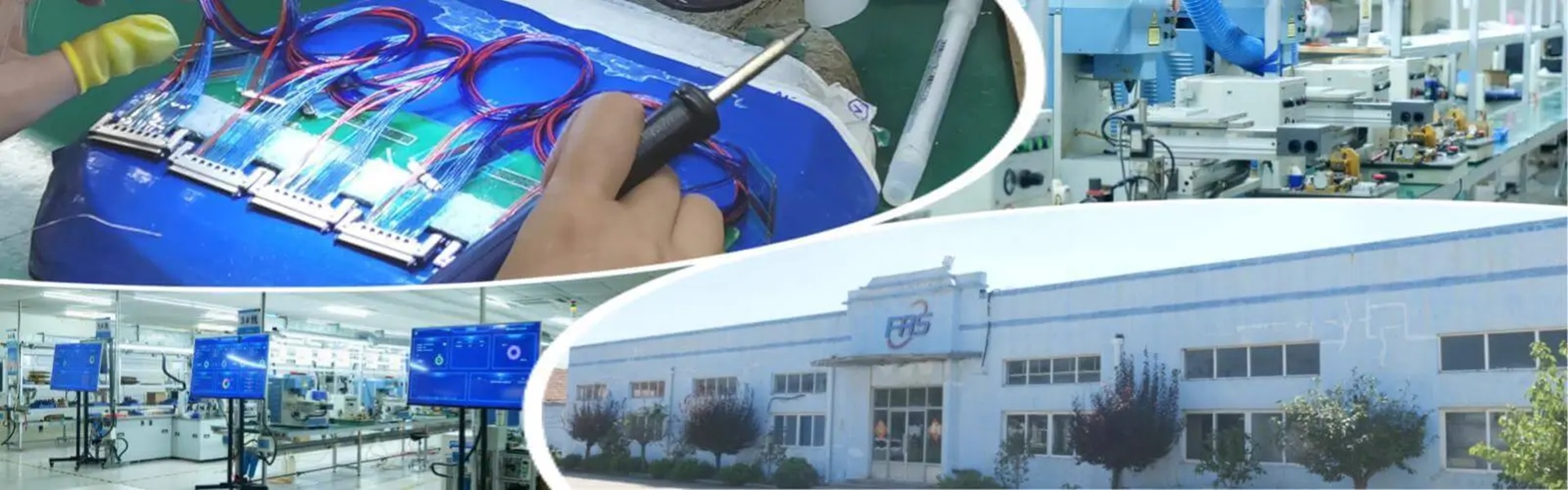
When it comes to aviation cables for certification support, FRS stands out as a leading brand factory with a proven track record of excellence. For over [X] years, FRS has been dedicated to manufacturing high-quality aviation cables that meet and exceed global certification standards, including FAA, EASA, SAE, and Mil-Spec requirements.
At FRS, we understand that certification support is not just a box to check—it is a core part of our manufacturing process. Our team of experienced engineers and quality control specialists works tirelessly to ensure every cable we produce undergoes rigorous testing and documentation. We source only the highest-grade materials from approved suppliers, ensuring traceability and compliance at every step. From design to delivery, we provide comprehensive technical support to help our customers navigate complex certification requirements, whether they are building new aircraft or maintaining existing fleets.
FRS aviation cables are trusted by leading aircraft manufacturers, military organizations, and airlines around the world. Our commitment to ongoing compliance means we stay ahead of regulatory changes, ensuring our customers always have access to cables that meet the latest safety and performance standards. Whether you need cables for commercial airliners, military jets, general aviation aircraft, or UAVs, FRS has the certified solution to meet your needs.
Choose FRS for aviation cables that deliver safety, reliability, and peace of mind. With our unwavering focus on certification support and quality, we are more than just a supplier—we are your partner in aviation excellence.