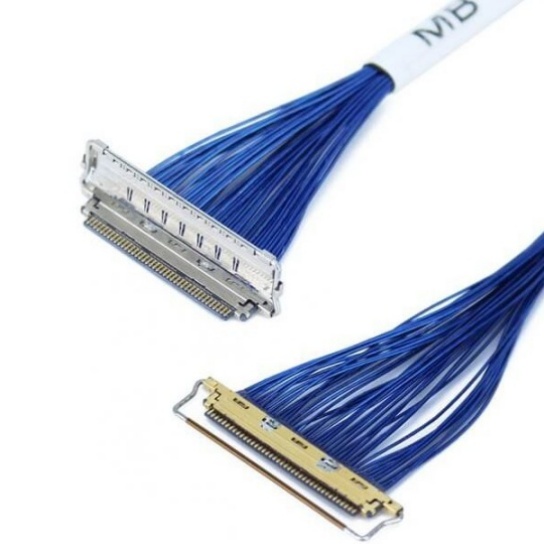
Aviation Cables for Boeing
Aviation cables are the lifeline of modern aircraft, and for Boeing—one of the world’s leading aerospace manufacturers—these components play a critical role in ensuring the safety, reliability, and performance of its commercial and military aircraft. From transmitting vital flight data to powering essential systems, Boeing’s aviation cables must meet rigorous standards that go beyond those of standard industrial wiring, as they operate in extreme environments and carry mission-critical information.
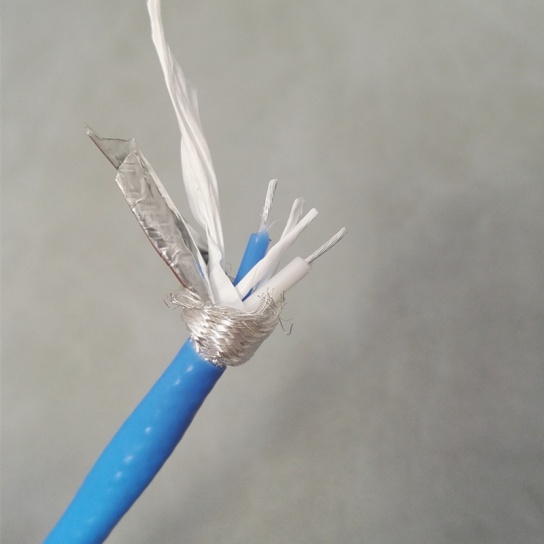
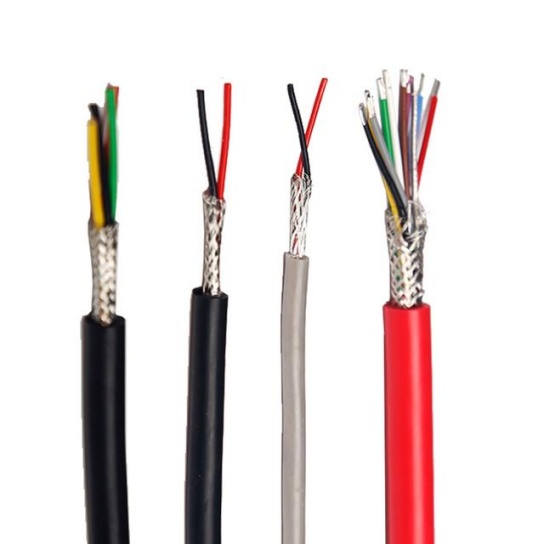
One of the core technical requirements for aviation cables used in Boeing aircraft is resistance to extreme conditions. These cables must withstand wide temperature fluctuations, ranging from -65°C (-85°F) in high-altitude flight to 150°C (302°F) near engine compartments. Additionally, they need to be resistant to vibration, moisture, fuel vapors, and electromagnetic interference (EMI). Boeing’s specifications often mandate cables with rugged insulation materials, such as fluoropolymers (e.g., PTFE or FEP), which offer excellent thermal stability and chemical resistance while maintaining flexibility for easy installation in tight aircraft spaces.
Another key consideration is the cable’s electrical performance. Boeing aircraft rely on cables to transmit high-speed data between avionics systems, such as flight control computers, navigation units, and communication devices. As a result, these cables must have low signal attenuation, minimal crosstalk, and consistent impedance. For example, Ethernet cables used in Boeing’s next-generation aircraft (like the 787 Dreamliner) must comply with IEEE 802.3 standards while adhering to Boeing’s own environmental and mechanical requirements.
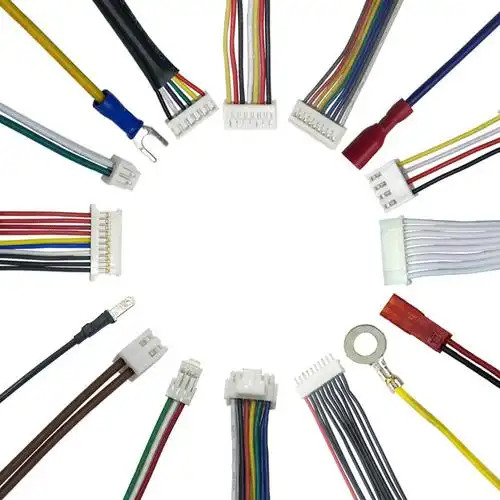
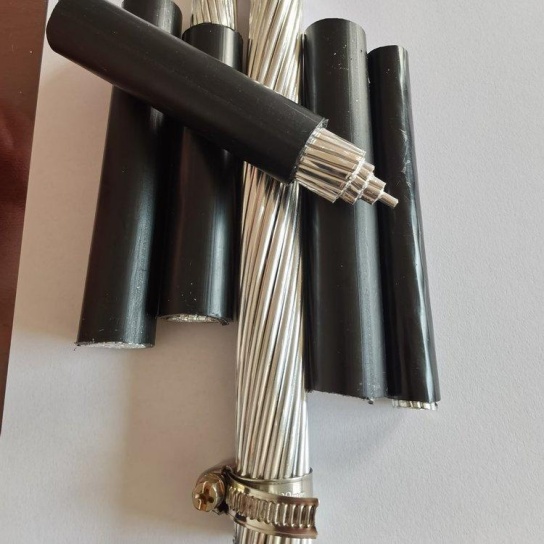
Different systems within Boeing aircraft require specialized cable types. Engine wiring, for instance, demands cables with enhanced heat and abrasion resistance to survive the harsh conditions near turbine engines. Meanwhile, cabin systems—such as in-flight entertainment and lighting—use lighter, more flexible cables that still meet flame-retardant standards (per FAA regulations like FAR 25.853). Power cables, on the other hand, must handle high current loads without overheating, requiring thick conductors and efficient insulation.
Quality control is non-negotiable for aviation cables destined for Boeing. Manufacturers must adhere to strict quality management systems, including AS9100 certification, which is the aerospace industry’s highest standard for quality. Each batch of cables undergoes rigorous testing, such as dielectric strength tests, continuity checks, thermal cycling, and mechanical stress tests, to ensure they meet Boeing’s exacting specifications. Any deviation from these standards can lead to costly delays in aircraft production or, worse, compromise flight safety.
When it comes to sourcing reliable aviation cables for Boeing applications, FRS brand factory stands out as a trusted partner. With years of experience in aerospace cable manufacturing, FRS adheres to the strictest industry standards, including Boeing’s own specifications and AS9100 certification. Our cables are engineered with high-quality materials to withstand extreme temperatures, vibration, and EMI, ensuring seamless performance in even the most demanding aircraft environments. Backed by rigorous quality control processes and a commitment to innovation, FRS provides tailored cable solutions that meet the unique needs of Boeing’s commercial and military programs. For aerospace manufacturers seeking dependable, high-performance aviation cables, FRS is the ideal choice.