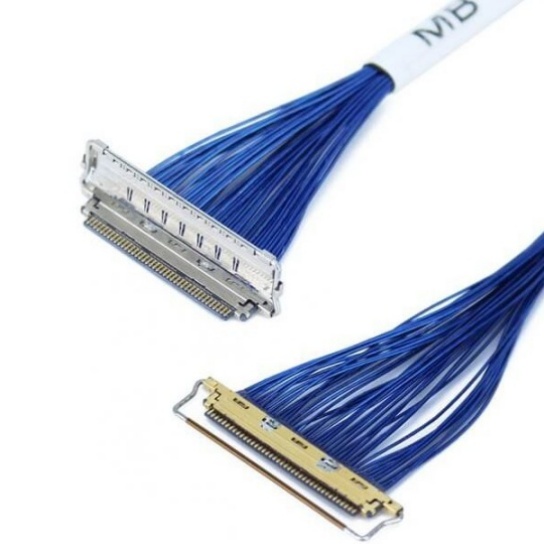
Aviation Cables for ANAC approval
In the dynamic and safety-critical world of aviation, every component plays a pivotal role in ensuring the reliable and secure operation of aircraft. Among these components, aviation cables stand out as the lifelines of communication, power transmission, and control systems, connecting vital parts of the aircraft from the cockpit to the engine and beyond. When it comes to operating in Brazil or supplying aviation equipment to Brazilian markets, one certification stands as a non-negotiable requirement: approval from the Agência Nacional de Aviação Civil (ANAC). Aviation cables for ANAC approval are not just a regulatory compliance measure but a testament to quality, safety, and adherence to the highest industry standards. This article delves into the significance of ANAC approval for aviation cables, the rigorous requirements these cables must meet, their key features, applications, and why choosing the right supplier for ANAC-approved aviation cables is crucial for aviation businesses.
Understanding ANAC: The Guardian of Aviation Safety in Brazil
ANAC, the Brazilian National Civil Aviation Agency, is the government body responsible for regulating and overseeing all civil aviation activities in Brazil. Established to ensure the safety, security, and efficiency of aviation operations within the country, ANAC plays a role analogous to the Federal Aviation Administration (FAA) in the United States or the European Union Aviation Safety Agency (EASA) in Europe. Its mandate covers everything from aircraft certification and maintenance to the approval of aviation components, including cables. For any aviation cable to be used in Brazilian-registered aircraft, installed in Brazilian airports, or supplied to Brazilian aviation manufacturers, ANAC approval is mandatory. This approval process is designed to verify that the cables meet strict safety, performance, and reliability criteria, thereby minimizing the risk of equipment failure that could lead to accidents or operational disruptions.
ANAC’s approval process is not a one-time check but involves continuous oversight and compliance. It requires manufacturers to demonstrate that their aviation cables are designed, tested, and produced in accordance with ANAC’s technical regulations, which are often aligned with international standards such as those set by the International Electrotechnical Commission (IEC) and the Society of Automotive Engineers (SAE). By enforcing these standards, ANAC ensures that aviation cables used in Brazil’s aviation sector are of the highest quality, capable of withstanding the harsh conditions of flight and ground operations.
Why ANAC Approval Matters for Aviation Cables
Aviation cables operate in some of the most demanding environments imaginable. They are exposed to extreme temperatures (ranging from -65°C to 150°C or higher), high levels of vibration, moisture, chemicals (such as hydraulic fluids and fuels), and electromagnetic interference (EMI). In such conditions, a substandard cable can fail catastrophically, leading to loss of communication, power outage, or malfunction of critical systems like navigation or flight control. This is where ANAC approval comes into play—it serves as a guarantee that the cables have undergone rigorous testing to withstand these harsh conditions and perform reliably over their intended lifespan.
Beyond safety, ANAC approval is also a key enabler for market access. Brazil is one of the largest aviation markets in the world, home to major aircraft manufacturers, airlines, and maintenance, repair, and overhaul (MRO) facilities. For manufacturers and suppliers of aviation cables, obtaining ANAC approval opens the door to this lucrative market. Without it, their products cannot be legally used or sold in Brazil, limiting their business growth and global reach. Additionally, ANAC approval enhances a company’s reputation, as it signals to customers that the products are trustworthy and meet the strictest regulatory requirements.
Rigorous Requirements for ANAC-Approved Aviation Cables
ANAC sets forth a comprehensive set of requirements that aviation cables must meet to gain approval. These requirements cover every aspect of the cable’s design, materials, performance, and testing. Here are some of the key criteria:
1. Material Specifications
The materials used in ANAC-approved aviation cables must be carefully selected to ensure durability and resistance to harsh aviation environments. Conductors are typically made of high-purity copper or copper alloys, which offer excellent electrical conductivity and mechanical strength. Insulation and jacketing materials must be flame-retardant, low-smoke, and low-toxicity (LSZH/LSOH), as specified by standards like SAE AS22759. These materials must also resist degradation from chemicals, oils, and UV radiation, ensuring that the cable remains intact and functional even after prolonged exposure.
2. Electrical Performance
ANAC-approved aviation cables must meet strict electrical performance standards, including low resistance, high dielectric strength, and minimal signal loss. For data and communication cables, this means maintaining stable transmission rates without interference, even in the presence of EMI from other aircraft systems. Power cables must be capable of carrying the required current without overheating, while control cables must provide precise and reliable signal transmission for critical flight controls.
3. Mechanical Durability
Aviation cables are subjected to constant vibration, bending, and physical stress during installation and operation. ANAC-approved cables must demonstrate exceptional mechanical durability, including resistance to abrasion, flexing, and impact. They must also maintain their performance characteristics even after repeated bending or exposure to mechanical stress, ensuring that they do not crack, break, or degrade over time.
4. Environmental Resistance
As mentioned earlier, aviation cables face extreme environmental conditions. ANAC requires that cables undergo testing to verify their resistance to extreme temperatures (both high and low), humidity, moisture, and chemicals. For example, cables may be tested by exposing them to -65°C for a specified period and then checking their electrical and mechanical performance. Similarly, they may be immersed in hydraulic fluid or jet fuel to ensure that the insulation does not swell, crack, or lose its properties.
5. Fire Safety
Fire is one of the greatest risks in aviation, and ANAC places strict requirements on the fire safety of aviation cables. Cables must be flame-retardant, meaning they should not support combustion or spread fire when exposed to a flame. They must also produce low levels of smoke and toxic gases, as thick smoke can hinder evacuation and rescue efforts, and toxic fumes can be fatal to crew and passengers. Testing for fire safety typically includes flame propagation tests, smoke density measurements, and toxicity analysis.
Key Features of High-Quality ANAC-Approved Aviation Cables
High-quality aviation cables for ANAC approval incorporate a range of features that ensure they meet or exceed ANAC’s requirements. These features include:
- LSZH/LSOH Insulation and Jacketing: As mentioned, low-smoke, low-toxicity materials are essential for fire safety, protecting crew and passengers in the event of a fire.
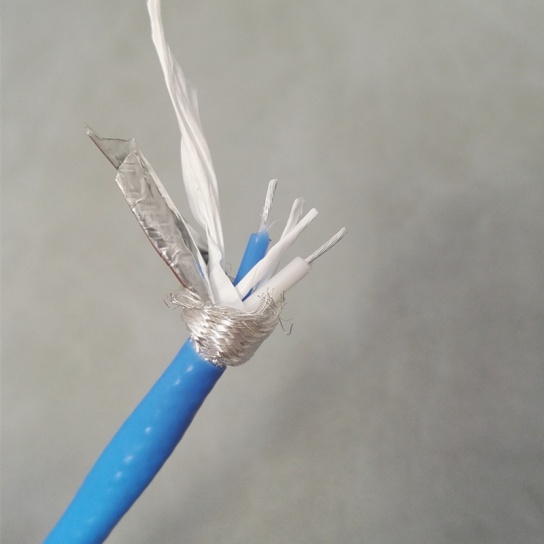
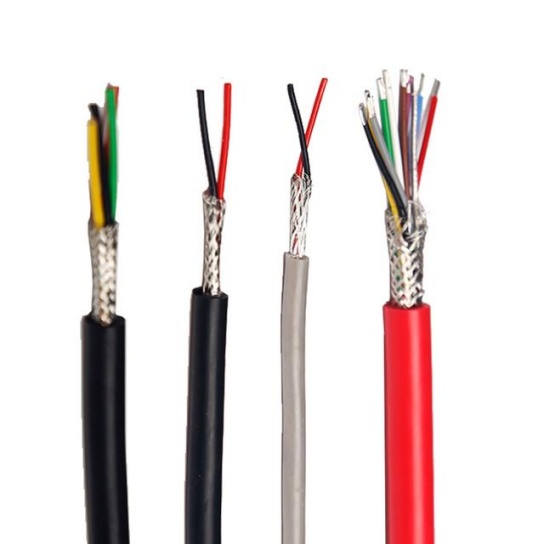
- Shielding: Many ANAC-approved aviation cables feature shielding (such as braided copper shielding or foil shielding) to protect against EMI and radio frequency interference (RFI), ensuring clear signal transmission for communication and control systems.
- Stranded Conductors: Stranded conductors (as opposed to solid conductors) offer greater flexibility, making the cables easier to install in tight spaces within the aircraft and more resistant to fatigue from vibration.
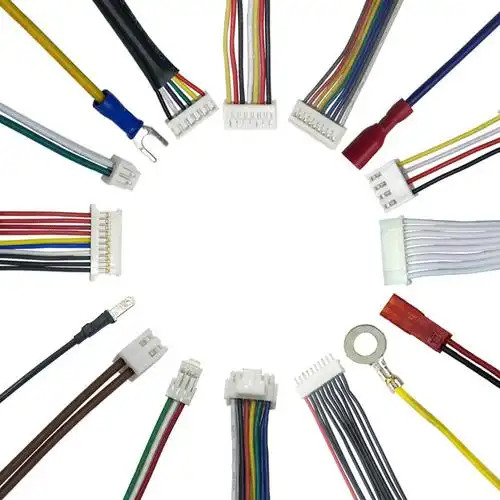
- Color-Coded Jackets: Color-coding helps with installation and maintenance, allowing technicians to quickly identify the purpose of each cable (e.g., power, data, control).
- Compliance with International Standards: In addition to ANAC approval, top-quality aviation cables often meet other international standards such as SAE AS22759, IEC 60332, and UL 910, ensuring global compatibility and acceptance.
Applications of ANAC-Approved Aviation Cables
ANAC-approved aviation cables are used in a wide range of applications within the aviation sector, including:
- Commercial Aircraft: From large airliners to regional jets, ANAC-approved cables are used for power transmission, communication systems (such as in-flight entertainment and cockpit radios), flight control systems, and avionics.
- Military Aircraft: Military aviation requires cables that can withstand even more extreme conditions, and ANAC-approved cables (often meeting additional military standards) are used in fighter jets, transport planes, and helicopters.
- General Aviation: Small aircraft, such as private planes and helicopters used for personal or business travel, also rely on ANAC-approved cables for their electrical and communication systems.
- Airport Infrastructure: Beyond aircraft themselves, ANAC-approved cables are used in airport ground systems, including baggage handling, navigation aids, and communication towers, ensuring the smooth and safe operation of airport facilities.
- MRO Facilities: Maintenance, repair, and overhaul facilities in Brazil use ANAC-approved cables for replacing worn or damaged cables in aircraft, ensuring that the repaired aircraft meet ANAC’s safety standards.
Choosing the Right Supplier for Aviation Cables for ANAC Approval
Given the critical role that ANAC-approved aviation cables play in aviation safety and compliance, choosing the right supplier is paramount. Here are some factors to consider when selecting a supplier:
- Proven ANAC Approval: The supplier must have a valid ANAC approval for their aviation cables, with documentation readily available to verify compliance. They should also have experience navigating the ANAC approval process, ensuring that their products consistently meet the latest regulatory requirements.
- Quality Management System: A robust quality management system (QMS) is essential for producing high-quality aviation cables. Look for suppliers certified to ISO 9001 and AS9100, the international standard for aerospace quality management. These certifications demonstrate a commitment to quality and continuous improvement.
- Technical Expertise: The supplier should have a team of experienced engineers and technical experts who understand the unique requirements of aviation cables and can provide support in selecting the right cables for specific applications. They should be able to answer technical questions and offer custom solutions if needed.
- Production Capacity and Lead Times: Aviation projects often have tight deadlines, so the supplier should have sufficient production capacity to meet order volumes and deliver on time. They should also be transparent about lead times and have contingency plans in place to avoid delays.
- Track Record and Reputation: Look for suppliers with a proven track record of supplying ANAC-approved aviation cables to reputable aviation companies. Customer reviews, testimonials, and case studies can provide valuable insights into the supplier’s reliability and product quality.
FRS: Your Trusted Partner for Aviation Cables for ANAC Approval
When it comes to sourcing high-quality, ANAC-approved aviation cables, FRS stands out as a leading manufacturer and supplier with a strong commitment to safety, quality, and customer satisfaction. With years of experience in the aerospace industry, FRS has established itself as a trusted partner for aviation businesses operating in Brazil and beyond.
At FRS, our aviation cables for ANAC approval are designed and manufactured to meet the strictest requirements set forth by ANAC, as well as international standards such as SAE AS22759, IEC 60332, and AS9100. We use only the highest-grade materials, including LSZH insulation and high-purity copper conductors, to ensure that our cables offer exceptional performance, durability, and fire safety. Our state-of-the-art production facilities are equipped with advanced testing equipment, allowing us to conduct rigorous testing on every batch of cables—from electrical performance and mechanical durability to environmental resistance and fire safety—ensuring that they meet or exceed all regulatory requirements.
What sets FRS apart is our unwavering focus on customer needs. Our team of technical experts works closely with clients to understand their specific application requirements and recommend the right ANAC-approved aviation cables for their projects. Whether you need cables for commercial aircraft, military applications, or airport infrastructure, we have the expertise and product range to deliver tailored solutions. We also pride ourselves on our reliable production capacity and on-time delivery, ensuring that your projects stay on schedule.
FRS is more than just a supplier—we are a partner dedicated to helping your aviation business succeed. Our ANAC-approved aviation cables not only ensure compliance with Brazilian regulations but also provide the safety, reliability, and performance that your operations demand. When you choose FRS, you can trust that you are getting the highest quality aviation cables backed by exceptional customer service and technical support.
For all your aviation cable needs for ANAC approval, look no further than FRS. Contact us today to learn more about our products and how we can support your aviation projects.