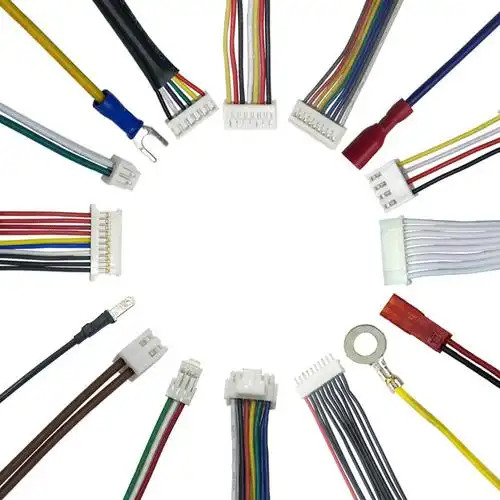
Aviation Cables for aftermarket
The aviation industry is a sector that demands the highest standards of safety, reliability, and performance. Every component, no matter how small, plays a crucial role in ensuring the smooth and secure operation of aircraft. Among these essential components, aviation cables stand out as vital elements that facilitate the transmission of power, signals, and data across various systems within an aircraft. For the aftermarket segment, which serves as the backbone of aircraft maintenance, repair, and overhaul (MRO), having access to high-quality aviation cables is not just a necessity but a critical factor in maintaining aircraft airworthiness and operational efficiency.
The aftermarket for aviation cables caters to a wide range of customers, including MRO facilities, aircraft operators, independent repair shops, and aerospace component distributors. These customers require cables that meet or exceed the original equipment manufacturer (OEM) specifications, as well as comply with stringent industry regulations such as those set by the Federal Aviation Administration (FAA), European Union Aviation Safety Agency (EASA), and International Civil Aviation Organization (ICAO). In the aftermarket, aviation cables are used for replacing worn-out or damaged cables, upgrading existing systems, and modifying aircraft to meet new operational requirements. As such, the demand for reliable and high-performance aftermarket aviation cables remains consistently high, driven by the need to keep aging aircraft fleets operational and ensure the safety of passengers and crew.
Types of Aviation Cables for Aftermarket
The aftermarket offers a diverse range of aviation cables, each designed to serve specific purposes within an aircraft’s complex systems. Understanding the different types of cables available is essential for customers to select the right product for their specific needs.
1. Power Cables
Power cables are responsible for transmitting electrical power from the aircraft’s generators or batteries to various systems and components, such as engines, avionics, lighting, and hydraulic systems. These cables are designed to handle high current loads and must be able to withstand extreme temperatures, vibration, and mechanical stress. Aftermarket power cables are available in different gauges, insulation materials, and conductor types to suit the specific power requirements of different aircraft models. Common insulation materials used for power cables include cross-linked polyethylene (XLPE), ethylene propylene rubber (EPR), and polytetrafluoroethylene (PTFE), which offer excellent thermal resistance, chemical resistance, and dielectric strength.
2. Signal Cables
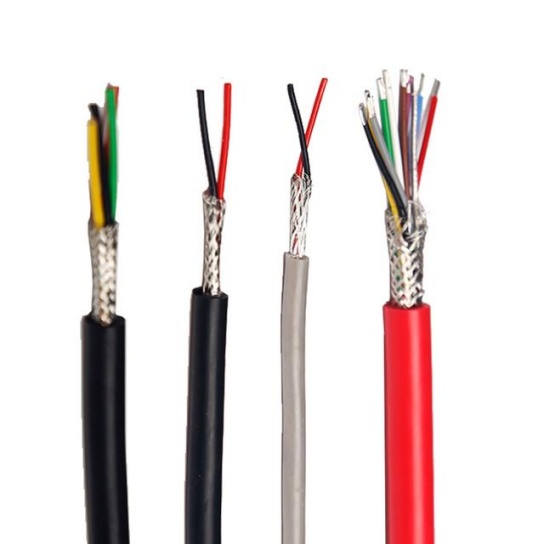
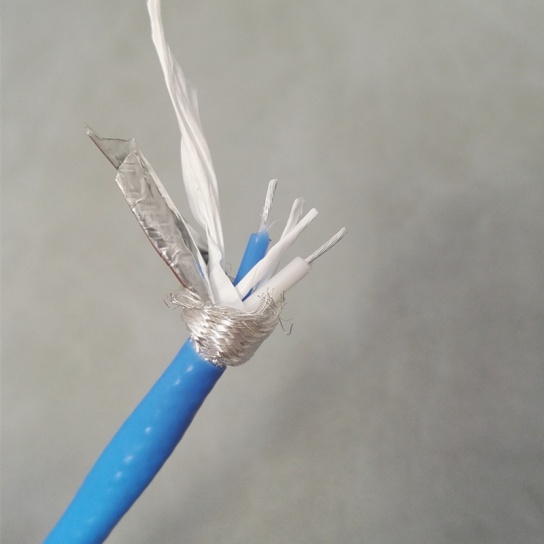
Signal cables are used for transmitting low-voltage electrical signals between various avionic components, such as navigation systems, communication systems, flight control systems, and instrumentation. These cables must provide high signal integrity, minimal interference, and reliable performance in harsh electromagnetic environments. Aftermarket signal cables are often shielded to prevent electromagnetic interference (EMI) and radio frequency interference (RFI), which can disrupt signal transmission and affect the performance of critical avionic systems. Shielding materials include braided copper, aluminum foil, and combinations of both, ensuring that signals are transmitted accurately and without distortion.
3. Data Cables
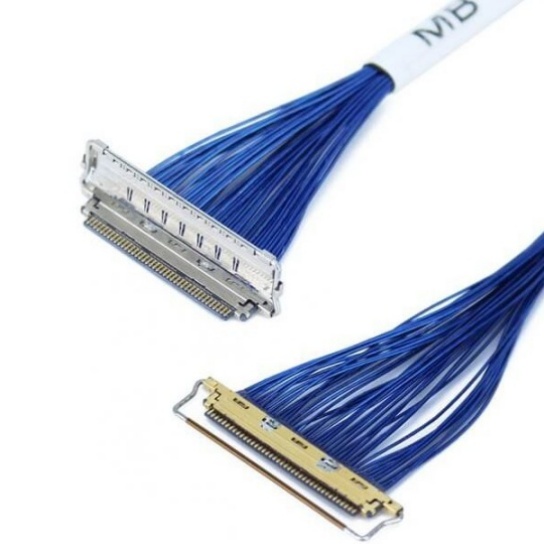
With the increasing digitization of aircraft systems, data cables have become indispensable in the aviation industry. These cables are used for transmitting high-speed data between computers, sensors, and other digital devices within the aircraft. Aftermarket data cables must comply with industry standards for data transmission, such as Ethernet, ARINC 429, and CAN bus, to ensure compatibility with existing systems. They are designed to handle high data rates, low latency, and have excellent noise immunity. Materials used for data cables include twisted-pair conductors, shielded insulation, and durable outer jackets that can withstand the rigors of the aircraft environment.
4. Control Cables
Control cables are mechanical cables used to transmit mechanical force and motion between control surfaces, such as ailerons, elevators, rudders, and landing gear. These cables are critical for the safe operation of the aircraft, as they directly affect the pilot’s ability to control the aircraft. Aftermarket control cables are manufactured from high-strength materials such as stainless steel, galvanized steel, and titanium, which offer excellent tensile strength, fatigue resistance, and corrosion resistance. They are available in different diameters and configurations to match the specific control system requirements of different aircraft.
Key Characteristics of High-Quality Aftermarket Aviation Cables
When selecting aviation cables for the aftermarket, several key characteristics must be considered to ensure optimal performance and safety.
1. Durability and Resistance
Aircraft operate in extreme environments, including wide temperature variations (-65°C to 200°C), high humidity, pressure changes, vibration, and exposure to chemicals such as hydraulic fluids, fuels, and cleaning agents. High-quality aftermarket aviation cables must be able to withstand these harsh conditions without degradation. This is achieved through the use of robust materials for conductors, insulation, and jackets. For example, conductors made from oxygen-free copper (OFC) offer excellent electrical conductivity and corrosion resistance, while insulation materials like PTFE provide superior thermal and chemical resistance.
2. Compliance with Industry Standards
Compliance with stringent industry standards is non-negotiable for aftermarket aviation cables. These standards ensure that the cables meet the required safety, performance, and quality criteria. For instance, cables must comply with FAA Technical Standard Orders (TSOs), such as TSO-C53 for electrical wire, and EASA CS standards. Additionally, they must meet the requirements of aircraft manufacturers’ specifications, such as Boeing BMS 13-60 and Airbus AIMS 04-02-002. Compliance with these standards is verified through rigorous testing, including voltage testing, insulation resistance testing, tensile strength testing, and environmental testing.
3. Compatibility with OEM Systems
Aftermarket aviation cables must be fully compatible with the OEM systems of the aircraft they are intended for. This includes compatibility with connectors, terminations, and other components within the system. Incompatible cables can lead to system failures, increased maintenance costs, and safety risks. Manufacturers of aftermarket aviation cables ensure compatibility by adhering to the exact dimensions, specifications, and performance parameters of the OEM cables. They also work closely with aircraft manufacturers and MRO facilities to ensure that their cables integrate seamlessly with existing systems.
4. Reliability and Longevity
Reliability is a critical factor in the aviation industry, and aftermarket aviation cables are no exception. Cables that fail prematurely can lead to unscheduled maintenance, flight delays, and even accidents. High-quality aftermarket cables are designed to have a long service life, minimizing the need for frequent replacements. This is achieved through the use of high-quality materials, advanced manufacturing processes, and strict quality control measures. Manufacturers conduct extensive testing to ensure that their cables can withstand the rigors of long-term use in aircraft environments.
Applications of Aftermarket Aviation Cables
Aftermarket aviation cables find applications in a wide range of aircraft types and systems, playing a vital role in maintaining and enhancing aircraft performance.
1. Commercial Aviation
Commercial airliners, such as Boeing 737, Airbus A320, and Boeing 787, require a large number of aviation cables for their various systems. In the aftermarket, these cables are used for MRO activities, including replacing worn-out power cables in the engine compartment, upgrading signal cables in the avionics system, and repairing control cables in the flight control system. The high volume of commercial aircraft in operation ensures a steady demand for aftermarket aviation cables, as airlines strive to keep their fleets operational and compliant with safety regulations.
2. Military Aviation
Military aircraft, such as fighter jets, transport planes, and helicopters, have unique requirements for aviation cables due to their demanding operational environments. These cables must be able to withstand extreme conditions, including combat situations, high G-forces, and exposure to weapons systems. Aftermarket aviation cables for military applications are designed to meet military specifications, such as MIL-DTL-24643 for electrical wire and cable. They are used for maintaining and upgrading military aircraft, ensuring that they remain mission-ready at all times.
3. General Aviation
General aviation includes small aircraft, such as private planes, helicopters, and turboprops, used for personal, business, and recreational purposes. Aftermarket aviation cables for general aviation are often used for routine maintenance and repairs, such as replacing lighting cables, communication cables, and control cables. These cables must be cost-effective while still meeting the required safety and performance standards, as general aviation operators often have smaller budgets compared to commercial and military operators.
4. Aerospace Modifications
Aerospace modifications, such as installing new avionics systems, upgrading in-flight entertainment systems, or converting aircraft for special purposes (e.g., cargo conversion), require specialized aviation cables. Aftermarket cables are used in these modifications to ensure that the new systems integrate seamlessly with the existing aircraft infrastructure. Manufacturers of aftermarket aviation cables can provide custom cables tailored to the specific requirements of the modification project, ensuring optimal performance and compatibility.
Factors to Consider When Choosing Aftermarket Aviation Cables
Choosing the right aftermarket aviation cables can be a daunting task, given the wide range of options available and the critical nature of the application. Here are some key factors to consider to make an informed decision:
1. Aircraft Model and System Requirements
The first step in choosing aftermarket aviation cables is to identify the specific aircraft model and the system for which the cable is needed. Different aircraft models have different cable requirements, and each system (e.g., power, signal, data, control) has unique specifications. It is essential to refer to the aircraft’s maintenance manual and OEM specifications to ensure that the selected cable meets the exact requirements of the application.
2. Quality and Certification
Quality and certification are paramount when selecting aftermarket aviation cables. Customers should look for cables that are manufactured by reputable companies with a proven track record in the aerospace industry. The cables should be certified to meet relevant industry standards, such as FAA TSOs and EASA CS standards. Additionally, manufacturers should have quality management systems in place, such as ISO 9001 and AS9100, which ensure consistent quality and compliance with industry best practices.
3. Supplier Reliability and Support
Working with a reliable supplier is essential for ensuring timely delivery of high-quality aftermarket aviation cables. Suppliers should have a robust supply chain and inventory management system to meet the urgent needs of MRO facilities and aircraft operators. Additionally, they should provide excellent customer support, including technical assistance, documentation, and after-sales service. A supplier that understands the unique challenges of the aftermarket and can provide customized solutions is a valuable partner.
4. Cost-Effectiveness
While quality and safety should never be compromised, cost-effectiveness is also an important factor for aftermarket customers. Customers should compare the prices of different suppliers, but they should also consider the total cost of ownership, which includes the cost of the cable, installation, maintenance, and replacement. High-quality cables may have a higher initial cost but can result in long-term savings by reducing the need for frequent replacements and minimizing downtime.
Why Choose FRS for Your Aftermarket Aviation Cable Needs
When it comes to aftermarket aviation cables, FRS stands out as a trusted and reliable brand that delivers exceptional quality, performance, and value. With years of experience in the aerospace industry, FRS has established itself as a leading manufacturer of aviation cables, catering to the diverse needs of the aftermarket segment.
FRS offers a comprehensive range of aftermarket aviation cables, including power cables, signal cables, data cables, and control cables, designed to meet the exact specifications of various aircraft models and systems. All FRS cables are manufactured using the highest quality materials, such as oxygen-free copper conductors, PTFE insulation, and robust outer jackets, ensuring durability, resistance to extreme environments, and long service life. Our cables undergo rigorous testing to comply with stringent industry standards, including FAA TSOs, EASA CS standards, and OEM specifications, giving our customers the confidence that they are using safe and reliable products.
At FRS, we understand the critical nature of aftermarket aviation cables and the importance of timely delivery. We maintain a large inventory of standard cables to meet the urgent needs of our customers, and we also offer custom cable solutions tailored to specific modification projects and unique system requirements. Our team of experienced engineers and technical experts is dedicated to providing exceptional customer support, offering technical assistance, documentation, and after-sales service to ensure that our customers get the right cables for their applications.
FRS is committed to quality and continuous improvement, with a quality management system certified to ISO 9001 and AS9100. We adhere to strict quality control measures throughout the manufacturing process, from raw material selection to final testing, ensuring that every cable leaving our factory meets the highest standards of quality and performance.
Whether you are an MRO facility, aircraft operator, or aerospace component distributor, FRS is your ideal partner for aftermarket aviation cables. We combine superior product quality, competitive pricing, and reliable customer support to provide you with the best possible solution for your aviation cable needs. Choose FRS and experience the difference that quality and expertise can make in ensuring the safety and efficiency of your aircraft.