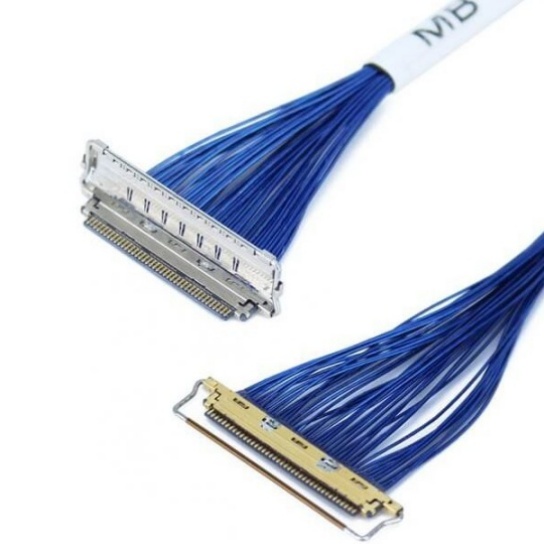
Aviation Cables for ADS-B
In the rapidly evolving landscape of aviation technology, the Automatic Dependent Surveillance-Broadcast (ADS-B) system stands as a cornerstone of modern air traffic management. Designed to enhance situational awareness, improve flight safety, and optimize airspace efficiency, ADS-B relies on a complex network of components working in perfect harmony. Among these critical components, aviation cables for ADS-B play an indispensable role—serving as the lifeline that transmits vital data between sensors, transponders, antennas, and control units. Without high-performance, reliable cables tailored to the unique demands of ADS-B operations, the system’s ability to provide accurate, real-time aircraft position and velocity information would be compromised. This article delves into the key aspects of aviation cables for ADS-B, exploring their technical requirements, types, applications, and why selecting the right cables is paramount for aviation safety and operational success.
The Critical Role of Aviation Cables in ADS-B Systems
ADS-B systems operate on two core principles: ADS-B Out and ADS-B In. ADS-B Out requires aircraft to broadcast their identification, position (via GPS), altitude, and velocity to ground stations and other aircraft. ADS-B In allows aircraft to receive data from nearby aircraft and ground-based infrastructure, enabling pilots and air traffic controllers to make informed decisions. Every step of this data transmission process depends on aviation cables that can handle high-frequency signals with minimal loss, interference, or delay.
Unlike standard industrial cables, aviation cables for ADS-B must function in some of the harshest environments imaginable. Aircraft encounter extreme temperature fluctuations—from sub-zero conditions at high altitudes to intense heat during ground operations—along with vibration, moisture, chemical exposure (such as fuel and hydraulic fluids), and electromagnetic interference (EMI) from other on-board electronics. A single cable failure could lead to interrupted data transmission, resulting in reduced situational awareness, potential air traffic delays, or even safety hazards. As such, these cables are not mere accessories but mission-critical components that directly impact the integrity of the ADS-B ecosystem.
Key Technical Requirements for Aviation Cables for ADS-B
To meet the rigorous demands of ADS-B applications, aviation cables must adhere to strict technical specifications and industry standards. Below are the most critical requirements:
1. Signal Integrity and Bandwidth
ADS-B systems transmit data at specific frequencies: 1090 MHz for Mode S Extended Squitter (ES) and 978 MHz for Universal Access Transceiver (UAT). Aviation cables for ADS-B must support these high frequencies with minimal signal attenuation (loss) and distortion. Signal integrity is crucial because even minor degradation can lead to inaccurate or lost data packets. Cables with low dielectric loss, controlled impedance (typically 50 ohms for coaxial cables used in ADS-B), and consistent shielding are essential to maintain signal quality over the cable’s length.
2. Temperature Resistance
Aircraft operate in temperature ranges from -65°C (-85°F) at cruising altitudes to 125°C (257°F) or higher in engine compartments or near avionics. Aviation cables for ADS-B must be constructed with materials that can withstand these extremes without losing mechanical or electrical performance. Common insulation materials include fluoropolymers (such as PTFE, FEP, and PFA), which offer excellent high-temperature resistance, chemical stability, and flexibility even in cold conditions.
3. EMI and RFI Shielding
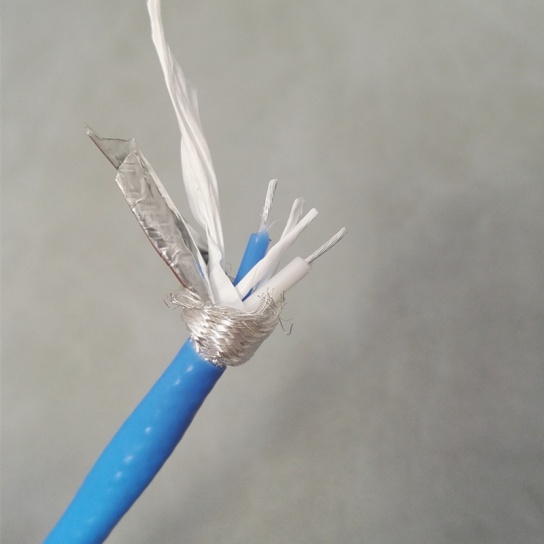
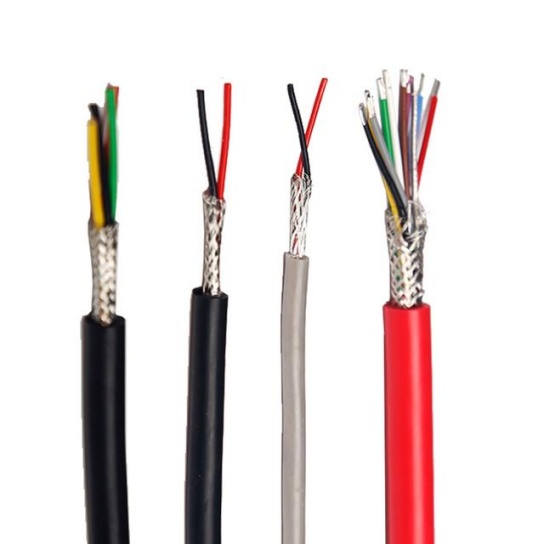
Aircraft are filled with electronic systems—radars, communication radios, navigation equipment—that generate electromagnetic interference (EMI) and radio frequency interference (RFI). ADS-B signals are sensitive to such interference, which can corrupt data transmission. To mitigate this, aviation cables for ADS-B feature robust shielding, such as braided copper shielding, foil shielding, or a combination of both. Braided shielding provides excellent flexibility and coverage against low-frequency interference, while foil shielding is effective at blocking high-frequency EMI. Double-shielded cables are often used in high-interference areas to ensure maximum protection.
4. Mechanical Strength and Durability
Aircraft experience constant vibration during flight, as well as physical stress during installation and maintenance. Aviation cables for ADS-B must be mechanically robust to resist abrasion, tearing, and fatigue. Reinforced conductors (such as stranded copper for flexibility) and durable jackets (like ETFE or PEEK) enhance the cable’s ability to withstand repeated bending and impact. Additionally, cables must meet strict tensile strength and elongation requirements to prevent breakage under load.
5. Chemical Resistance
On-board aircraft, cables may come into contact with fuels, hydraulic fluids, lubricants, and cleaning agents. Aviation cables for ADS-B must be resistant to these chemicals to avoid degradation of insulation or jackets, which could lead to short circuits or signal failure. Fluoropolymer-based insulations and jackets are ideal for this purpose, as they are inert to most aviation fluids and solvents.
6. Compliance with Aviation Standards
Aviation cables for ADS-B must meet global industry standards to ensure safety and compatibility. Key standards include those set by the Federal Aviation Administration (FAA), European Union Aviation Safety Agency (EASA), Society of Automotive Engineers (SAE), and International Electrotechnical Commission (IEC). For example, SAE AS22759 specifies requirements for aerospace cables, including temperature range, shielding, and insulation properties. Compliance with these standards is non-negotiable, as it ensures that cables have undergone rigorous testing and meet the highest safety and performance benchmarks.
Common Types of Aviation Cables for ADS-B
Different components of the ADS-B system require specific cable types to optimize performance. Below are the most commonly used aviation cables for ADS-B applications:
1. Coaxial Cables
Coaxial cables are the primary choice for transmitting high-frequency ADS-B signals between antennas, transponders, and receivers. Their design—consisting of a central conductor, dielectric insulator, shielding, and outer jacket—provides excellent impedance control and EMI shielding. For ADS-B, 50-ohm coaxial cables (such as RG-400 or RG-174) are typically used, as they match the impedance of ADS-B transponders and antennas. RG-400 is a popular choice for fixed-wing aircraft due to its high-temperature resistance (-65°C to 200°C) and flexibility, while RG-174 is lighter and more compact, making it suitable for UAVs or tight installation spaces.
2. Twisted Pair Cables
Twisted pair cables are used for transmitting low-speed data signals within the ADS-B system, such as between control units and display panels. They consist of two insulated conductors twisted together to reduce crosstalk and EMI. Shielded twisted pair (STP) cables are preferred for ADS-B applications to provide additional protection against interference, ensuring reliable communication between system components.
3. Multi-Core Control Cables
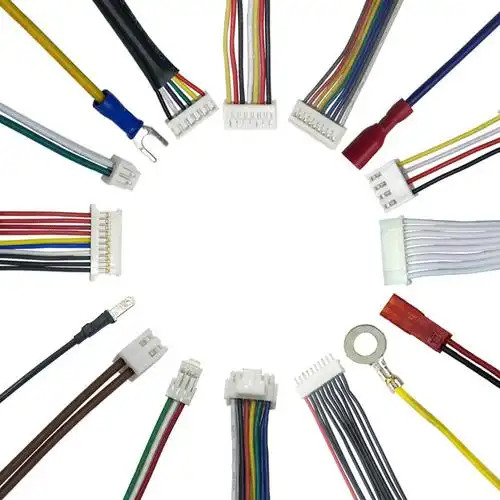
Multi-core control cables feature multiple insulated conductors within a single jacket, making them ideal for transmitting power and control signals to ADS-B transponders and sensors. These cables are designed to handle both electrical power and data, reducing the number of cables needed in the aircraft and simplifying installation. They often include shielding to prevent interference between the power and data conductors.
Applications of Aviation Cables for ADS-B
Aviation cables for ADS-B are used in both ground-based and airborne components of the ADS-B system. Here are their key applications:
1. Airborne ADS-B Systems
On aircraft, aviation cables connect the ADS-B transponder to the GPS receiver, antennas, and cockpit displays. The coaxial cable linking the transponder to the ADS-B antenna must transmit high-frequency signals with minimal loss to ensure accurate position broadcasting. Twisted pair cables carry data from the transponder to the cockpit display, allowing pilots to view traffic information. Multi-core control cables provide power to the transponder and enable communication with other on-board avionics systems.
2. Ground-Based ADS-B Infrastructure
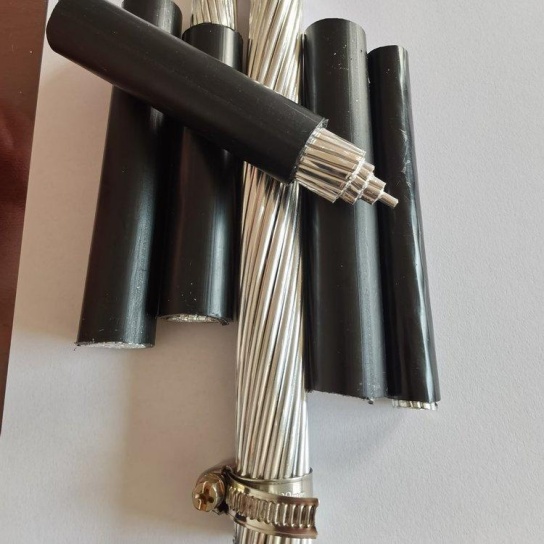
Ground stations play a critical role in the ADS-B network, receiving signals from aircraft and relaying them to air traffic control centers. Aviation cables for ADS-B are used to connect ground-based antennas to receivers, processors, and communication equipment. These cables must be durable enough to withstand outdoor conditions (such as weather, temperature changes, and wildlife) while maintaining signal integrity over long distances. Armored coaxial cables are often used in ground applications to protect against physical damage.
3. Unmanned Aerial Vehicles (UAVs)
With the growing use of UAVs in commercial and military applications, ADS-B has become a mandatory requirement for many UAV operations. Aviation cables for ADS-B in UAVs must be lightweight, compact, and resistant to vibration. Miniature coaxial cables (like RG-174) and thin twisted pair cables are commonly used to fit within the limited space of UAV airframes while ensuring reliable data transmission.
Factors to Consider When Selecting Aviation Cables for ADS-B
Choosing the right aviation cables for ADS-B is a critical decision that impacts system performance and safety. Below are key factors to consider:
1. System Requirements
Understand the specific needs of your ADS-B system, including signal frequency, data rate, power requirements, and installation environment. For example, if the cable will be installed near the engine, a high-temperature-resistant cable (like PTFE-insulated) is essential. If the system requires long cable runs, select a cable with low signal attenuation to maintain data quality.
2. Compliance with Standards
Always choose cables that meet relevant aviation standards (FAA, EASA, SAE, IEC). Non-compliant cables may not perform as expected and could pose safety risks. Ask your supplier for certification documents to verify compliance.
3. Environmental Conditions
Consider the environmental conditions the cable will face, such as temperature, humidity, vibration, chemical exposure, and EMI levels. Select cables with materials and shielding that can withstand these conditions for the lifetime of the aircraft or ground station.
4. Supplier Reliability
Partner with a reputable supplier that specializes in aviation cables for ADS-B. A reliable supplier will have extensive knowledge of industry standards, use high-quality materials, and provide consistent product performance. They should also offer technical support to help you select the right cables for your application.
Why FRS Is Your Trusted Partner for Aviation Cables for ADS-B
When it comes to aviation cables for ADS-B, FRS stands out as a leading manufacturer committed to excellence, safety, and innovation. With decades of experience in the aerospace industry, FRS understands the unique challenges of ADS-B systems and delivers cables that meet the most stringent technical requirements and global standards.
At FRS, every aviation cable for ADS-B is engineered using premium materials—including high-purity copper conductors, fluoropolymer insulations, and robust shielding—to ensure superior signal integrity, temperature resistance, and durability. Our cables comply with all major aviation standards, including SAE AS22759, FAA TSO-C160b, and EASA CS-25, and undergo rigorous testing (such as temperature cycling, vibration, EMI shielding effectiveness, and chemical resistance) to guarantee performance in the harshest aviation environments.
We offer a comprehensive range of aviation cables for ADS-B, including coaxial cables (RG-400, RG-174, and custom designs), shielded twisted pair cables, and multi-core control cables. Our team of experienced engineers works closely with customers to develop custom cable solutions tailored to their specific ADS-B system requirements—whether for commercial aircraft, military jets, or UAVs. From design to production, FRS maintains strict quality control processes, ensuring that every cable leaving our factory meets the highest standards of reliability and safety.
FRS is more than a cable supplier—we are a trusted partner dedicated to supporting the success of your ADS-B operations. With fast lead times, competitive pricing, and global distribution capabilities, we ensure that you receive the right cables when and where you need them. When you choose FRS for aviation cables for ADS-B, you can have confidence that you are investing in components that enhance the safety, efficiency, and performance of your ADS-B system.