aviation cable Specifications: Complete Types, Standards & Requirements
Introduction
aviation cables are the critical nervous system of aircraft, spacecraft, and avionics systems. Unlike ordinary industrial cables, they must operate reliably under extreme conditions—high altitude, rapid temperature changes, vibration, flame, chemical exposure, and electromagnetic interference. aviation cable specifications are strictly defined by global standards to ensure safety, durability, and performance. This article covers the core specifications, classifications, standards, materials, and selection criteria for aviation cables.
1. Key aviation cable Standards (Core Specifications)
Major international standards govern aviation cable design and performance. Compliance with these standards is mandatory for aviation and aerospace applications.
1.1 MIL-SPEC (Military Specifications)
The most widely used aviation cable standards globally:
- MIL-DTL-22759: Cross-linked ethylene-tetrafluoroethylene (XLETFE) insulated wires, high temperature, lightweight, for general aircraft.
- MIL-DTL-25038: Fluoroplastic insulated, high heat resistance, used in engine zones and high-temperature areas.
- MIL-DTL-27500: Multi-conductor aviation cables, shielded, for avionics and control systems.
- MIL-DTL-83513: Micro-miniature cables for UAVs, satellites, and compact avionics.
1.2 Commercial & Aviation Standards
- AS50881: Aviation wire and cable standard (SAE International), widely used in commercial aircraft.
- EN 22759: European equivalent of MIL-DTL-22759, used in Airbus and European aviation programs.
- BMS 13-50: Boeing material specification for internal aircraft wiring.
- AMS: Aviation Material Specifications for insulation and conductor materials.
2. Core Electrical Specifications of aviation cables
2.1 Voltage Ratings
aviation cables are designed for aircraft electrical systems:
- 14V system: Light aircraft, general avionics
- 28V system: Most commercial and military aircraft
- 115V AC / 230V AC: Inverters, galley, and aircraft power systems
- High-voltage variants: For electric aircraft (eVTOL, hybrid propulsion) up to 500V–1000V
2.2 Conductor Size (AWG)
American Wire Gauge (AWG) is the universal sizing system:
- 22–26 AWG: Sensors, avionics signals
- 16–20 AWG: General power and control
- 10–14 AWG: Main power distribution
- 4–8 AWG: High-current engine and power systems
- 00–4 AWG: Main battery and high-power distribution
2.3 Current-Carrying Capacity
Current ratings depend on:
- Conductor material (copper, high-strength alloy)
- Insulation type
- Bundling and cooling conditions
- Altitude and temperature derating
3. Temperature & Environmental Specifications
aviation cables must withstand extreme thermal environments:
3.1 Operating Temperature Ranges
- Standard: -65°C to +150°C
- High-temperature engine zones: -65°C to +200°C / +260°C
- Extreme cold (high altitude/space): Down to -100°C
3.2 Key Environmental Requirements
- Flame resistance: Low smoke, zero halogen, self-extinguishing (FAR 25.853)
- Chemical resistance: Jet fuel, hydraulic fluid, lubricants, cleaning solvents
- Vibration and shock resistance: Comply with DO-160
- UV and radiation resistance: For satellites and outer space
- Low outgassing: For vacuum environments (NASA SP-R-0022A)
4. Insulation & Jacket Material Specifications
Materials define performance and compliance:
- XLETFE (Cross-Linked ETFE): MIL-DTL-22759, lightweight, high temperature
- PTFE (Teflon): High heat, chemical resistance
- FEP / PFA: Fluoropolymers for extreme environments
- Cross-linked polyolefin: Flame-retardant, low smoke
- Kapton (Polyimide): Ultra-thin, high-temperature film insulation
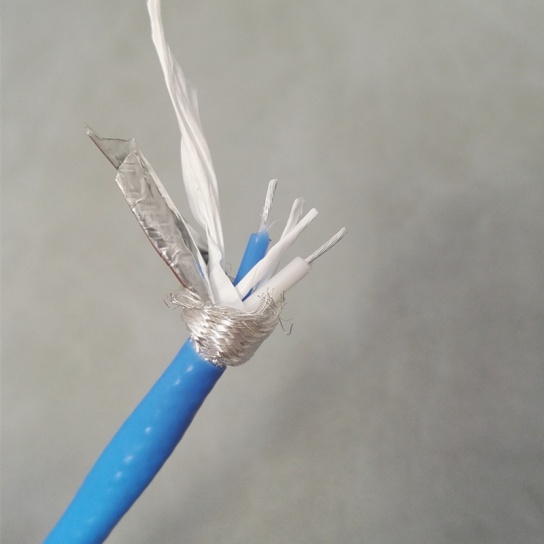
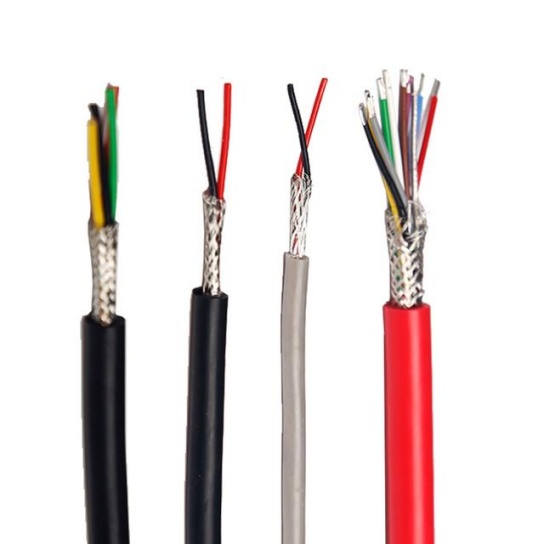
5. Shielding & EMC Specifications
Avionics require strict electromagnetic compatibility:
- Single shield: Foil or braid for general interference
- Double shield: Foil + braid for high-noise environments
- Triple shield: Critical radar and communication systems
- Twisted pair: Reduce crosstalk in data and signal cables
- Low capacitance & impedance control: For high-speed data buses (ARINC 429, AFDX, CAN)
6. Common Types of aviation cables by Specification
6.1 Hookup Wires (MIL-W-22759 / EN22759)
Single conductor, general aircraft wiring, most widely used.
6.2 Multi-Conductor Control Cables (MIL-DTL-27500)
Shielded multi-core for avionics, lighting, and control systems.
6.3 Coaxial Cables
For RF, communication, radar; conform to MIL-DTL-17.
6.4 Data Bus Cables
ARINC 429, AFDX, Ethernet, CAN bus for modern aircraft.
6.5 High-Temperature Engine Cables
MIL-DTL-25038, resistant to fuels, oils, and extreme heat.
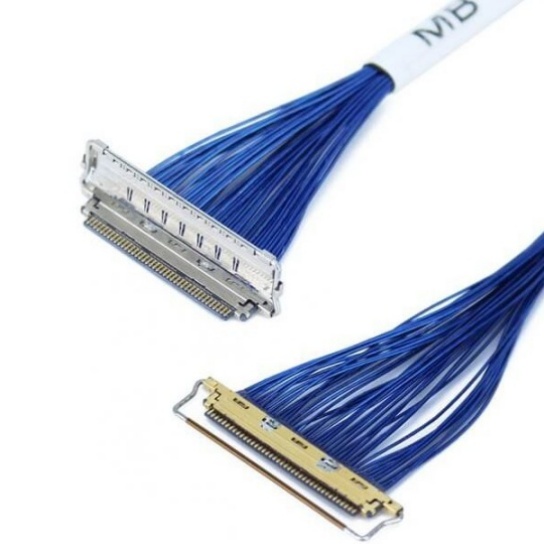
6.6 Micro-Miniature & Flat Cables
For UAV, satellite, and compact avionics packaging.
7. Mechanical Specifications
- Flex life: High flexing for moving parts (doors, landing gear)
- Tensile strength: Resist breakage during installation
- Abrasion resistance: Prevent wear in cable bundles
- Weight: Lightweight design critical for fuel efficiency
8. How to Select the Right aviation cable Specification
- Confirm compliance with MIL, AS, EN, Boeing, Airbus standards
- Match voltage, current, AWG size to system design
- Select temperature range based on installation location
- Choose shielding for EMC requirements
- Verify flame, smoke, and toxicity (FAR 25.853)
- Consider weight and miniaturization goals
Conclusion
aviation cable specifications are highly standardized and performance-driven. Understanding MIL standards, temperature ratings, AWG sizes, insulation materials, shielding, and environmental requirements is essential for aircraft design, maintenance, and component sourcing. Using correctly specified aviation cables ensures safety, reliability, and regulatory compliance in commercial aviation, military aircraft, UAVs, and space systems.