Aircraft Cable Assemblies: Trends in Supply Chain Sustainability
The global aerospace industry is undergoing a profound shift toward sustainability, and aircraft cable assemblies—critical components for flight control, avionics, and power transmission—are no exception. As airlines and manufacturers strive to reduce carbon footprints, meet stringent regulatory demands, and enhance operational resilience, the supply chain for aircraft cable assemblies is evolving rapidly. This article explores key trends shaping sustainable practices in this sector, offering actionable insights for stakeholders seeking to align with industry progress.
1. Material Innovation: From Virgin Metals to Sustainable Alternatives
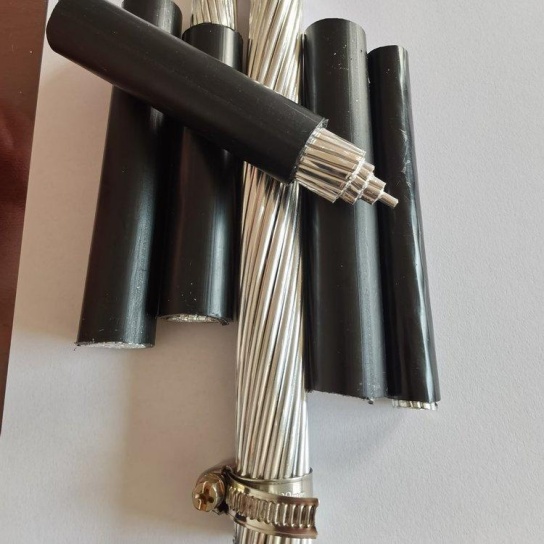
Traditionally, aircraft cable assemblies rely on high-strength virgin metals like steel and titanium, which have significant environmental footprints due to mining and processing. A major trend now is the adoption of recycled and bio-based materials without compromising performance. For instance, manufacturers are increasingly using recycled titanium alloy cables, which retain 90% of the strength of virgin titanium while reducing CO₂ emissions by up to 40% during production. Additionally, bio-based polymers are emerging for insulation components; these materials, derived from renewable sources like plant oils, degrade more efficiently at the end of their lifecycle compared to petroleum-based alternatives. Suppliers are also investing in lightweight, high-conductivity materials such as aluminum-copper composites, which not only cut fuel consumption by reducing aircraft weight but also require less energy to produce.
2. Circular Economy Practices: Closing the Loop on Waste
The aerospace industry’s shift toward a circular economy is transforming how aircraft cable assemblies are designed, produced, and disposed of. Key practices include closed-loop recycling systems, where end-of-life cables are collected, stripped of insulation, and reprocessed into new wire stock. Leading suppliers are partnering with MRO (Maintenance, Repair, and Overhaul) providers to establish take-back programs, ensuring that cables removed during aircraft maintenance are not sent to landfills. Modular design is another focus: by creating cable assemblies with detachable components, manufacturers enable easier repair and replacement of faulty parts, extending the overall lifespan of the assembly. This approach not only reduces waste but also lowers total ownership costs for airlines, as they avoid replacing entire assemblies for minor issues.
3. Digitalization for Supply Chain Transparency and Efficiency
Digital technologies are playing a pivotal role in enhancing sustainability across the supply chain for aircraft cable assemblies. Blockchain platforms are being used to track the origin and lifecycle of materials, providing end-to-end transparency. For example, a blockchain ledger can record when a batch of recycled titanium is sourced, processed, and incorporated into a cable assembly, allowing airlines to verify sustainability claims. AI-powered analytics are also optimizing inventory management, reducing overproduction and minimizing material waste. Predictive maintenance tools, integrated with IoT sensors on cable assemblies, help anticipate failures before they occur, reducing unplanned downtime and the need for emergency replacements—further lowering the environmental impact of the supply chain.
4. Regulatory Compliance and ESG Integration
Growing global regulations are driving sustainability in the aircraft cable assembly supply chain. The European Union’s Corporate Sustainability Reporting Directive (CSRD) requires aerospace manufacturers to disclose detailed environmental data, including the carbon footprint of their supply chains. Similarly, the International Air Transport Association (IATA) has set a goal of net-zero carbon emissions for aviation by 2050, pushing suppliers to adopt greener practices. In response, leading companies are integrating Environmental, Social, and Governance (ESG) metrics into their supplier selection processes. This means that cable assembly manufacturers must not only meet technical specifications but also demonstrate adherence to sustainable sourcing, ethical labor practices, and waste reduction targets.
FRS: Your Partner in Sustainable Aircraft Cable Assemblies
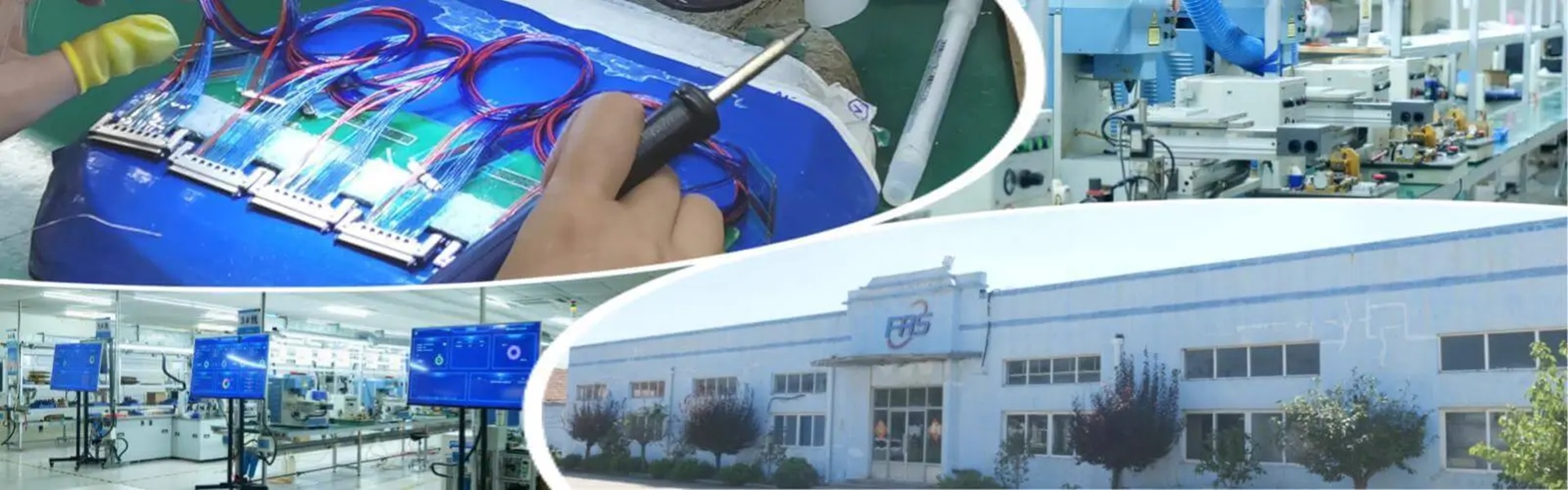
At FRS, we are at the forefront of integrating sustainability into every stage of aircraft cable assembly production. Our state-of-the-art factory leverages recycled high-performance materials, closed-loop recycling systems, and blockchain-enabled traceability to deliver cables that meet the strictest aerospace standards while minimizing environmental impact. We prioritize modular design to extend product lifespans and work closely with clients to align with their ESG goals. With certifications from leading aerospace bodies and a commitment to continuous improvement, FRS is your trusted partner for sustainable, reliable aircraft cable assemblies that power the future of flight.