Aircraft Cable Assemblies: The Impact of Big Data in Production
In the aviation industry, where safety, reliability, and precision are non-negotiable, aviation cables assemblies serve as the vital nervous system connecting critical components of an aircraft. From controlling flight surfaces to transmitting power and data between the cockpit and various systems, these assemblies play a role that directly impacts flight safety and operational efficiency. As the aviation sector continues to evolve—driven by demands for fuel efficiency, reduced maintenance costs, and enhanced performance—manufacturers of aviation cables assemblies are turning to big data to revolutionize their production processes. This article explores how big data is transforming every stage of aviation cables assemblies production, from design and material selection to quality control and supply chain management, and why this technological shift is redefining industry standards.
1. Big Data-Driven Design: Engineering Aviation Cables Assemblies for Tomorrow’s Skies
The design phase of aviation cables assemblies is a complex process that requires balancing multiple factors: weight reduction, durability under extreme conditions (temperature fluctuations, vibration, and corrosion), electrical conductivity, and compliance with stringent aviation regulations such as FAA (Federal Aviation Administration) and EASA (European Union Aviation Safety Agency) standards. Traditionally, design relied on historical data and physical prototyping, which was time-consuming and often limited by the scope of available information.
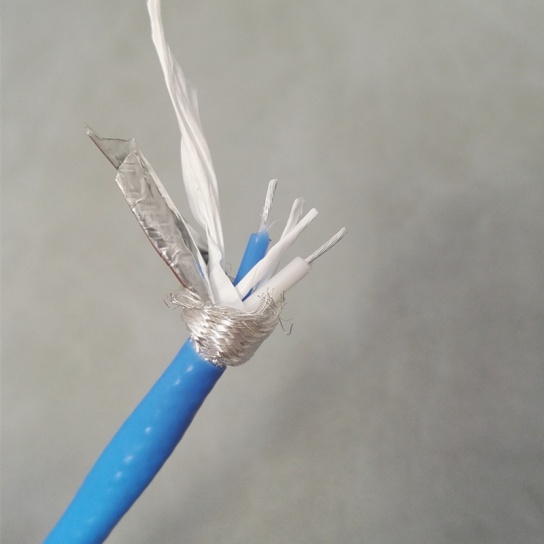
Big data has changed this paradigm by enabling engineers to access and analyze vast volumes of structured and unstructured data. This includes data from past aircraft missions, in-service performance of existing aviation cables assemblies, environmental stress tests, and even feedback from maintenance teams. By leveraging advanced analytics and machine learning algorithms, manufacturers can identify patterns and correlations that were previously invisible. For example, data from thousands of flight hours might reveal that a specific cable material performs better in high-humidity environments, or that a particular shielding design reduces electromagnetic interference (EMI) more effectively in commercial airliners.
Moreover, big data facilitates predictive design. Engineers can simulate the performance of aviation cables assemblies in virtual environments, testing how different designs would hold up under a wide range of scenarios—from transatlantic flights to extreme weather events. This not only reduces the need for costly physical prototypes but also allows for the development of more innovative and efficient assemblies. For instance, a manufacturer might use big data to design a lighter-weight cable assembly that maintains the same level of durability as heavier alternatives, contributing to overall aircraft fuel efficiency.
2. Material Selection: Ensuring Quality and Reliability Through Data Insights
The quality of aviation cables assemblies is only as good as the materials used to make them. In aviation, where a single material failure could have catastrophic consequences, selecting the right materials is paramount. Big data has become an invaluable tool in this process, providing manufacturers with real-time and historical data on material performance, supplier quality, and regulatory compliance.
Manufacturers can now integrate data from material suppliers, including test results for conductivity, tensile strength, and resistance to wear and tear. They can also track the performance of materials over time, using data from in-service aviation cables assemblies to identify any degradation patterns. For example, if data shows that a certain batch of copper wire used in cable assemblies tends to develop cracks after 10,000 flight hours, manufacturers can adjust their material specifications or switch to a more durable alloy.
Big data also helps in mitigating supply chain risks. By analyzing data on supplier lead times, quality control records, and geopolitical factors, manufacturers can predict potential disruptions and take proactive measures. For instance, if data indicates that a key material supplier is facing production delays, the manufacturer can source alternative materials or adjust production schedules to avoid bottlenecks. This ensures that the production of aviation cables assemblies remains on track, even in uncertain market conditions.
3. Production Process Optimization: Enhancing Efficiency and Reducing Waste
The production of aviation cables assemblies involves a series of intricate steps, including wire stranding, insulation extrusion, shielding, connector crimping, and final assembly. Each step requires precise control to meet quality standards, and even minor deviations can result in defective products. Big data analytics is transforming production by providing real-time visibility into every stage of the process.
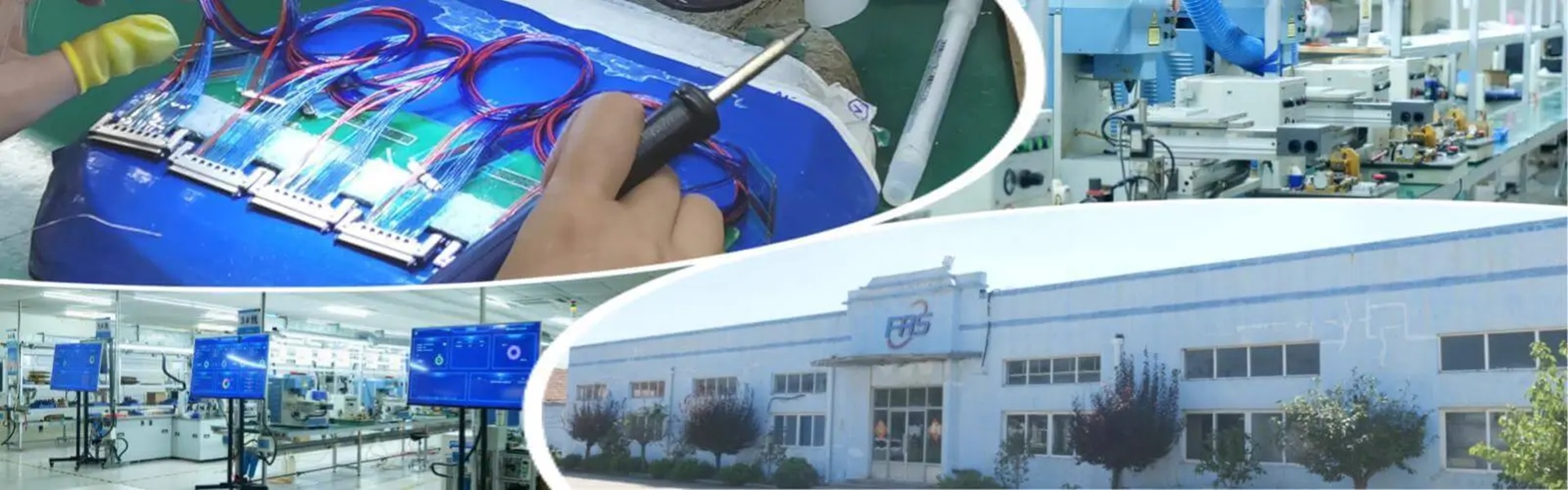
Smart factories equipped with IoT (Internet of Things) sensors collect data from production machinery—such as temperature, pressure, speed, and vibration—at every step of aviation cables assemblies manufacturing. This data is fed into analytics platforms, which can detect anomalies in real time. For example, if a sensor detects that the temperature in the insulation extrusion machine is higher than the optimal range, the system can alert operators to adjust the settings before any defective cables are produced. This not only reduces waste but also minimizes the need for rework, saving time and costs.
Additionally, big data enables predictive maintenance of production equipment. By analyzing data on machine performance and maintenance history, manufacturers can predict when a piece of equipment is likely to fail and schedule maintenance before it causes a production shutdown. This proactive approach reduces downtime and ensures that the production line for aviation cables assemblies operates at peak efficiency.
4. Quality Control: From Reactive to Predictive Assurance
Quality control is perhaps the most critical stage in aviation cables assemblies production, as even the smallest defect can compromise flight safety. Traditional quality control methods are often reactive—inspecting finished products and rejecting those that fail to meet standards. This approach is costly, as it involves discarding already produced assemblies, and it may not catch all potential issues.
Big data has shifted quality control from reactive to predictive. By analyzing data from every stage of production—design, material selection, and manufacturing—manufacturers can identify potential quality issues before they occur. For example, machine learning algorithms can analyze data from past production runs to identify patterns that precede defects, such as a specific combination of machine settings or material properties. The system can then alert operators to these risk factors, allowing them to make adjustments in real time.
Furthermore, big data enables 100% inspection of aviation cables assemblies, rather than just sampling. Advanced imaging technologies and sensors can collect data on every inch of a cable assembly, checking for defects such as insulation cracks, connector misalignment, or insufficient shielding. This data is then analyzed using AI-powered tools to detect even the most subtle anomalies that human inspectors might miss. This level of precision ensures that only the highest-quality cable assemblies reach the aircraft, reducing the risk of in-service failures and maintenance costs.
5. Supply Chain and Inventory Management: Streamlining Operations for Aviation Cables Assemblies
The supply chain for aviation cables assemblies is global and complex, involving multiple suppliers of raw materials, components, and finished products. Managing this supply chain efficiently is essential to meet customer demand, reduce costs, and ensure compliance with regulations. Big data analytics provides manufacturers with the visibility and insights needed to optimize supply chain operations.
By integrating data from suppliers, logistics providers, and customers, manufacturers can gain a real-time view of inventory levels, shipment status, and demand forecasts. For example, if an airline places a large order for aviation cables assemblies for its new fleet, big data analytics can predict the required raw materials, adjust production schedules, and coordinate with logistics providers to ensure on-time delivery. This not only improves customer satisfaction but also reduces inventory holding costs, as manufacturers can maintain just-in-time inventory levels.
Big data also helps in optimizing logistics routes. By analyzing data on transportation costs, delivery times, and potential disruptions (such as weather events or port delays), manufacturers can choose the most efficient routes for shipping aviation cables assemblies to customers around the world. This ensures that critical components reach aircraft manufacturers and maintenance facilities when they are needed, minimizing downtime.
6. The Future of Aviation Cables Assemblies Production: Big Data and Beyond
As big data technologies continue to advance, their impact on aviation cables assemblies production will only grow. The integration of AI and machine learning will enable even more sophisticated predictive analytics, allowing manufacturers to anticipate market trends, design more innovative products, and optimize production processes with greater precision. Additionally, the adoption of blockchain technology may further enhance supply chain transparency, providing an immutable record of every step in the production and distribution of aviation cables assemblies.
Furthermore, the rise of electric and autonomous aircraft will create new demands for aviation cables assemblies, such as higher conductivity for electric propulsion systems and enhanced data transmission capabilities for autonomous flight controls. Big data will be crucial in meeting these demands, as manufacturers will need to analyze vast amounts of data to design cable assemblies that are compatible with these new technologies.
Why FRS Is Your Trusted Partner for Big Data-Driven Aviation Cables Assemblies
At FRS, we understand that the future of aviation cables assemblies production lies in the strategic use of big data. As a leading manufacturer of high-quality aviation cable assemblies, we have invested heavily in cutting-edge big data analytics, IoT technology, and AI-powered systems to revolutionize every stage of our production process.
Our design team leverages big data to develop aviation cables assemblies that meet the most stringent safety and performance standards, while our smart factories use real-time data analytics to ensure efficiency and minimize waste. We implement predictive quality control measures to guarantee that every cable assembly leaving our facility is flawless, and our optimized supply chain ensures on-time delivery, even for the most demanding orders.
With years of experience in the aviation industry, FRS combines technical expertise with a commitment to innovation. We work closely with our customers to understand their unique needs, using big data insights to deliver customized aviation cables assemblies that enhance the performance and safety of their aircraft. Whether you are a commercial airline, a military aircraft manufacturer, or a maintenance facility, FRS is your trusted partner for reliable, high-quality, and big data-driven aviation cable assemblies.
Choose FRS for aviation cables assemblies that are engineered for the future—backed by data, built for safety, and designed for excellence.