Aircraft Cable Assemblies: Supporting Predictive Health Monitoring
In the aviation industry, safety and operational efficiency are paramount. As aircraft systems become increasingly complex, the need for proactive maintenance strategies has never been more critical. Predictive Health Monitoring (PHM) has emerged as a game-changer, enabling airlines and maintenance teams to anticipate component failures before they occur, minimize downtime, and reduce operational costs. At the heart of many PHM-enabled systems lies a often-overlooked yet vital component: aircraft cable assemblies. These assemblies play a pivotal role in transmitting data, power, and mechanical signals across the aircraft, making them indispensable to the effective functioning of PHM technologies.
The Role of Aircraft Cable Assemblies in PHM Data Transmission
Predictive Health Monitoring relies on the continuous collection and analysis of real-time data from various aircraft components—such as engines, avionics, landing gear, and hydraulic systems. Sensors strategically placed throughout the aircraft capture parameters like temperature, vibration, pressure, and electrical current. For this data to be useful, it must be transmitted accurately and efficiently to on-board processing units or ground-based monitoring systems. This is where aircraft cable assemblies come into play.
Aircraft cable assemblies are engineered to withstand the harsh aviation environment, including extreme temperatures (-65°C to 125°C), high vibration, moisture, and chemical exposure. Unlike standard cables, they are constructed with lightweight, high-strength materials such as fluoropolymer insulators and tinned copper conductors, which ensure signal integrity even in demanding conditions. Whether transmitting high-speed data from engine vibration sensors or powering temperature monitors in the landing gear, these cable assemblies act as the “nervous system” of the PHM network, ensuring that critical data reaches analysts without delay or corruption.
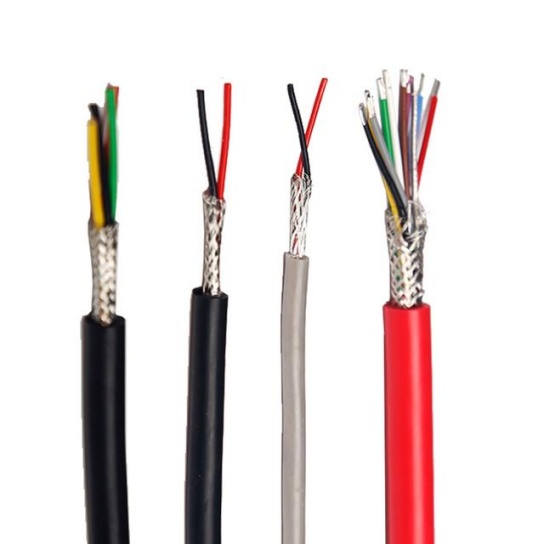
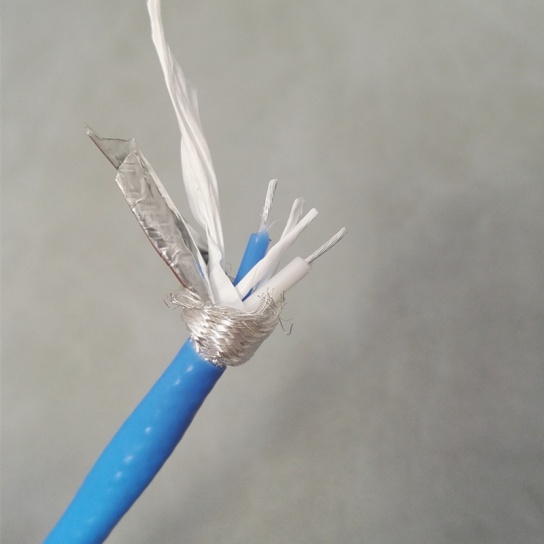
Moreover, modern aircraft cable assemblies are designed with shielding technologies—such as braided shields or foil shields—that protect against electromagnetic interference (EMI) and radio frequency interference (RFI). In an aircraft, where numerous electronic systems operate simultaneously, EMI/RFI can disrupt data signals, leading to inaccurate PHM readings. By mitigating these interferences, shielded cable assemblies enhance the reliability of the data used for predictive analysis, enabling maintenance teams to make more informed decisions.
Enhancing PHM Effectiveness Through Cable Assembly Innovation
As PHM technologies advance, so too do the requirements for aircraft cable assemblies. Manufacturers are now developing innovative cable solutions that not only transmit data but also contribute to the PHM process itself. For example, some cable assemblies are integrated with embedded sensors that monitor the cable’s own health parameters, such as conductor resistance, insulation integrity, and strain. This “self-monitoring” capability allows maintenance teams to track the condition of the cable assemblies themselves, preventing potential failures that could disrupt PHM data transmission.
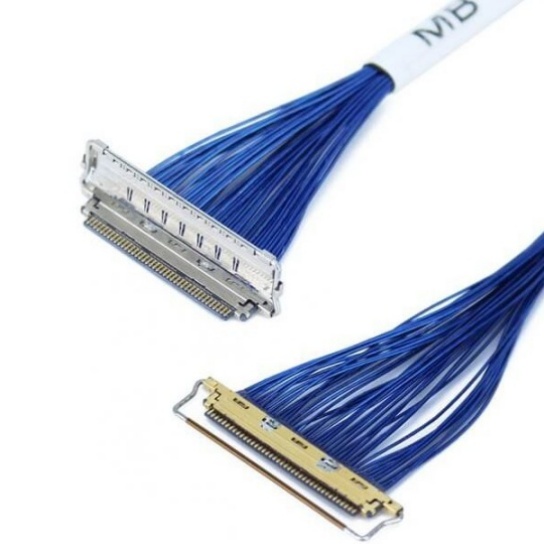
Another key innovation is the development of high-density cable assemblies. With the increasing number of sensors used in modern PHM systems, there is a growing demand for cable solutions that can transmit multiple data streams in a compact space. High-density cable assemblies, featuring smaller conductors and optimized shielding, enable the integration of more sensors without increasing the weight or volume of the cable harness—critical factors in aviation, where weight reduction directly impacts fuel efficiency.
Additionally, the use of fiber optic cable assemblies in PHM applications is on the rise. Fiber optics offer several advantages over traditional copper cables, including higher data transmission rates, longer transmission distances, and immunity to EMI/RFI. For large aircraft or long-haul flights, fiber optic cable assemblies can transmit vast amounts of PHM data from on-board sensors to ground stations in real time, enabling immediate analysis and rapid response to potential issues. This is particularly valuable for fleet-wide PHM programs, where airlines need to monitor multiple aircraft simultaneously.
Real-World Impact: How Cable Assemblies Improve PHM Outcomes
The practical benefits of high-quality aircraft cable assemblies in PHM are evident in real-world aviation scenarios. Consider a major airline that implemented a PHM system for its fleet of narrow-body aircraft. The system relied on sensors to monitor engine performance, with data transmitted via aircraft cable assemblies to a ground-based analytics platform. Initially, the airline experienced intermittent data drops, which led to delayed fault detection. Upon investigation, it was found that the original cable assemblies were not adequately shielded against EMI from the aircraft’s avionics systems.
After upgrading to shielded aircraft cable assemblies, the data transmission issues were resolved. The PHM system began receiving accurate, consistent data, enabling the airline to predict engine component wear 30 days in advance of potential failure. This allowed the airline to schedule maintenance during scheduled downtime, reducing unscheduled maintenance costs by 25% and minimizing flight cancellations. The upgrade also extended the lifespan of the engine components, as maintenance was performed proactively rather than reactively.
Another example involves a military aircraft program that integrated fiber optic cable assemblies into its PHM system. The fiber optic cables transmitted high-resolution vibration data from the aircraft’s rotor system to on-board processors, enabling real-time analysis of rotor health. This capability allowed maintenance teams to detect minor imbalances in the rotor system that would have gone unnoticed with traditional monitoring methods. By addressing these issues early, the program reduced rotor maintenance costs by 40% and improved aircraft availability by 15%.
Choosing the Right Aircraft Cable Assemblies for PHM
Selecting the appropriate aircraft cable assemblies for PHM applications requires careful consideration of several factors. First and foremost, the cable assemblies must meet industry standards, such as those set by the Society of Automotive Engineers (SAE) or the European Aviation Safety Agency (EASA). These standards ensure that the cables are designed and tested to withstand the rigors of aviation operation.
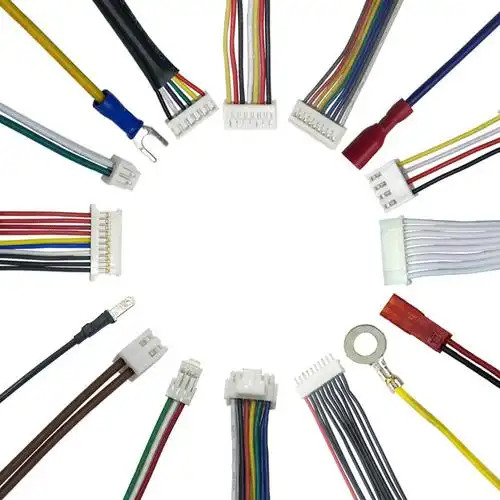
其次, it is essential to assess the specific PHM requirements, including data transmission speed, signal type (analog or digital), and environmental conditions. For high-speed data transmission, fiber optic or high-performance copper cable assemblies are ideal, while for power transmission to sensors, cables with higher current-carrying capacity may be necessary. Additionally, the cable assemblies should be compatible with the sensors, processing units, and other components of the PHM system to ensure seamless integration.
Finally, partnering with a reputable cable assembly manufacturer is crucial. A manufacturer with expertise in aviation and PHM applications can provide customized solutions tailored to the unique needs of the aircraft and its monitoring system. They can also offer technical support, including testing and certification, to ensure that the cable assemblies meet the highest standards of quality and reliability.
FRS: Your Trusted Partner for PHM-Ready Aircraft Cable Assemblies
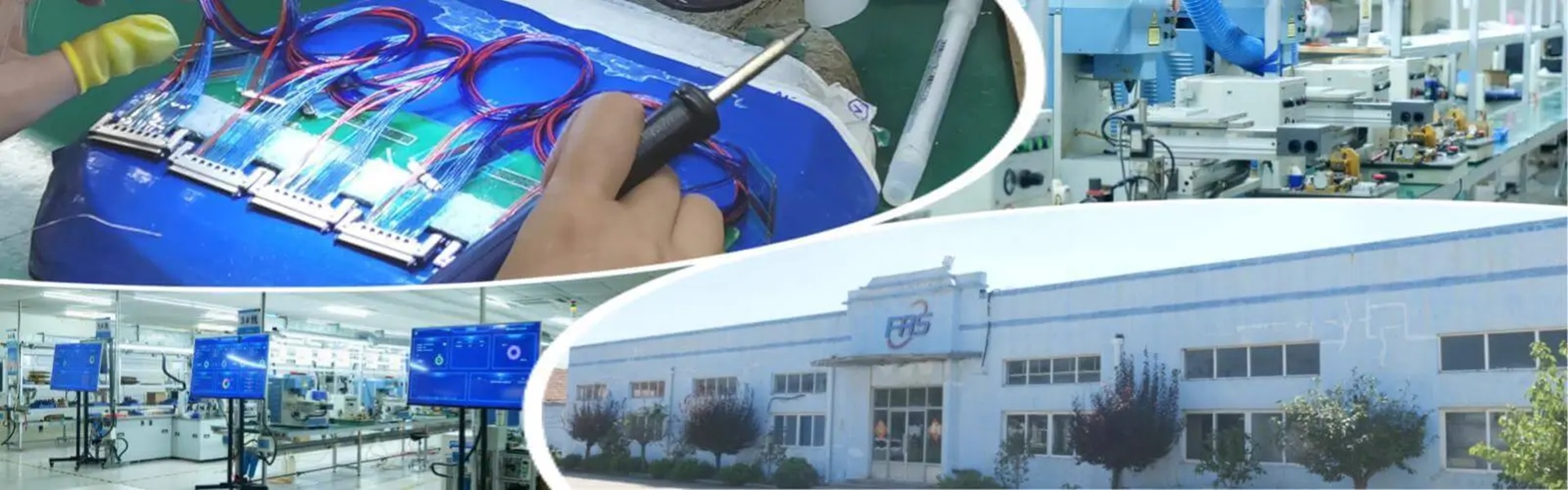
When it comes to aircraft cable assemblies that support Predictive Health Monitoring, FRS stands out as a leading manufacturer with a proven track record of excellence. With decades of experience in the aviation industry, FRS specializes in designing and producing high-performance cable assemblies that meet the most stringent industry standards, including SAE AS22759 and MIL-DTL-24643.
FRS’s aircraft cable assemblies are engineered to deliver exceptional signal integrity, durability, and resistance to harsh environmental conditions—making them the perfect choice for PHM systems. From shielded copper cables for EMI/RFI protection to high-density fiber optic assemblies for high-speed data transmission, FRS offers a comprehensive range of solutions tailored to the unique needs of PHM applications. Each cable assembly undergoes rigorous testing, including environmental testing, signal integrity testing, and mechanical stress testing, to ensure reliable performance in the air.
At FRS, we understand that PHM is critical to aviation safety and efficiency. That’s why we work closely with our customers to develop customized cable assembly solutions that seamlessly integrate with their PHM systems, enabling them to achieve proactive maintenance and reduce operational costs. Whether you’re upgrading an existing PHM system or developing a new one, FRS has the expertise and products to support your needs. Choose FRS for aircraft cable assemblies that you can trust to keep your PHM systems running smoothly—every flight, every time.