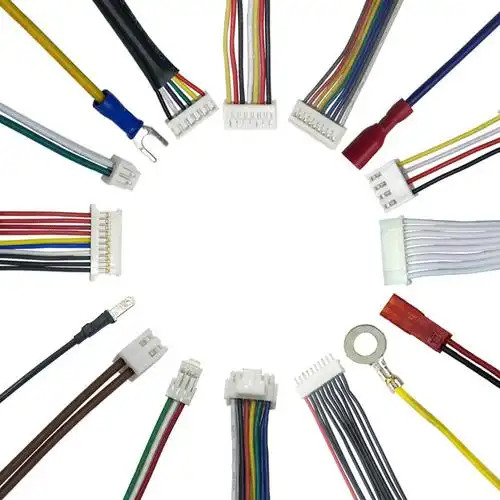
Aircraft Cable Assemblies: Supporting Advanced Warning Systems
In the dynamic and high-stakes world of aviation, safety is the cornerstone upon which every technological advancement is built. At the heart of modern aviation safety lies the Advanced Warning Systems (AWS), a sophisticated network of sensors, processors, and communication tools designed to detect potential hazards and alert pilots in real time. From avoiding mid-air collisions to navigating through severe weather conditions and identifying engine malfunctions, AWS acts as the “eyes and ears” of an aircraft, providing critical data that can mean the difference between a smooth flight and a catastrophic event. However, the effectiveness of these Advanced Warning Systems is not solely dependent on their cutting-edge sensors or powerful algorithms—they rely heavily on a less visible but equally vital component: aircraft cable assemblies. These assemblies serve as the lifeline of AWS, ensuring seamless, reliable, and fast transmission of data and power between its various modules. In this article, we delve into how aircraft cable assemblies support Advanced Warning Systems, exploring their technical requirements, applications, and the critical role they play in upholding aviation safety standards.
The Technical Demands of Advanced Warning Systems and the Role of Aircraft Cable Assemblies
Advanced Warning Systems are engineered to operate in some of the harshest environments imaginable. From extreme temperature fluctuations (-65°F to 250°F) and high vibration levels during takeoff and landing to exposure to moisture, chemicals, and electromagnetic interference (EMI), AWS components must withstand relentless stress while maintaining peak performance. This places immense pressure on the aircraft cable assemblies that connect these components, as any signal loss, delay, or failure in the cables can render the entire warning system ineffective.
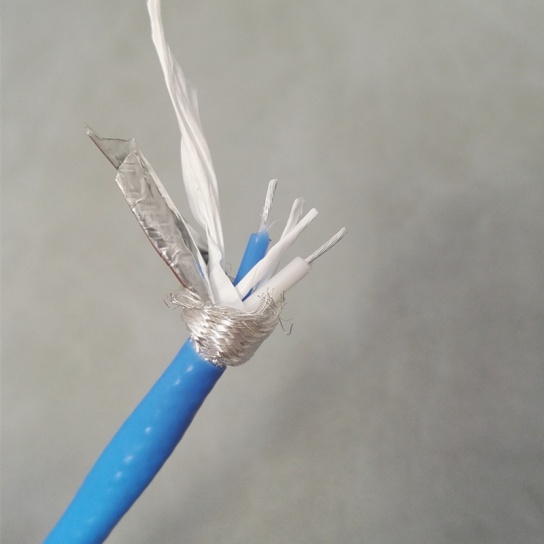
One of the primary technical demands of AWS is the need for high-speed, low-latency data transmission. Modern Advanced Warning Systems process vast amounts of data from multiple sources simultaneously—including radar, lidar, weather sensors, and engine monitoring units. For example, a collision avoidance system (CAS) within AWS must quickly analyze data from nearby aircraft and transmit alerts to the cockpit in milliseconds. Aircraft cable assemblies designed for AWS are therefore constructed with high-conductivity materials, such as tinned copper or silver-plated copper, which minimize signal resistance and ensure fast data transfer. Additionally, the cables are often shielded with materials like aluminum foil or braided copper to protect against EMI, which can distort signals and lead to false alerts or missed hazards. In avionics, EMI is a significant concern, as it can come from other electronic systems on the aircraft, ground-based communication towers, or even lightning strikes. The shielding in aircraft cable assemblies acts as a barrier, preserving the integrity of the data flowing to and from the Advanced Warning Systems.
Another critical requirement is mechanical durability. Aircraft cable assemblies must be flexible enough to be routed through the tight spaces of an aircraft’s fuselage and wings, yet strong enough to resist wear and tear from constant vibration and movement. To achieve this, manufacturers use rugged insulation materials like Teflon (PTFE) or ethylene tetrafluoroethylene (ETFE), which offer excellent resistance to heat, chemicals, and abrasion. These materials also have low outgassing properties, meaning they do not release harmful vapors in the low-pressure environment of high altitudes—an essential feature for maintaining air quality in the aircraft and preventing damage to sensitive AWS components. Furthermore, the connectors used in these cable assemblies are precision-engineered to ensure a secure, vibration-resistant fit. Many connectors feature locking mechanisms or sealed designs to prevent moisture and debris from entering, which could cause corrosion or electrical shorts that disrupt AWS operations.
Applications of Aircraft Cable Assemblies in Key Advanced Warning Systems
Advanced Warning Systems encompass a range of specialized subsystems, each with unique functions and cable assembly requirements. Let’s explore how aircraft cable assemblies support some of the most critical AWS applications:
1. Traffic Collision Avoidance System (TCAS)
TCAS is one of the most well-known Advanced Warning Systems, designed to prevent mid-air collisions by monitoring the airspace around an aircraft and alerting pilots to nearby traffic. TCAS relies on transponders that send and receive radio signals, and aircraft cable assemblies are responsible for connecting these transponders to the system’s processors and cockpit displays. The cables used in TCAS must transmit high-frequency radio signals with minimal attenuation (signal loss) to ensure accurate range and altitude calculations. Additionally, since TCAS operates in real time, the cables must have ultra-low latency to ensure that pilots receive alerts with enough time to take evasive action. Aircraft cable assemblies for TCAS often feature twisted-pair configurations, which further reduce EMI and crosstalk (interference between adjacent cables), ensuring that the system can distinguish between signals from different aircraft.
2. Weather Radar Warning Systems
Weather-related hazards, such as thunderstorms, turbulence, and icing, pose significant risks to aviation safety. Weather radar warning systems within AWS use radar dishes to detect these hazards and display them on the cockpit’s weather screen. Aircraft cable assemblies connect the radar dish to the radar receiver and processor, transmitting the high-power radar signals (which can reach up to several kilowatts) without breakdown. The cables used here must be capable of handling high voltage and power levels while maintaining signal integrity. They are often constructed with thick insulation and high-temperature-resistant conductors to withstand the heat generated by the radar system. Additionally, since the radar dish is typically mounted on the aircraft’s nose or wing, the cables must be flexible enough to accommodate the dish’s movement while remaining durable in exposed environments.
3. Engine Health Monitoring and Warning Systems
Engine failures are among the most feared aviation emergencies, which is why engine health monitoring systems (EHMS) are a critical part of Advanced Warning Systems. EHMS uses sensors placed throughout the engine to monitor parameters like temperature, pressure, vibration, and oil levels. Aircraft cable assemblies connect these sensors to the EHMS processor, which analyzes the data and alerts pilots to potential issues—such as a drop in oil pressure or an increase in turbine temperature—before they escalate into failures. The cables used in EHMS must be able to withstand extreme temperatures and exposure to engine fluids (like oil and fuel). They are often coated with chemical-resistant materials and designed to resist vibration, as engine compartments are some of the most high-vibration areas of an aircraft. The cables must also transmit analog or digital sensor data with high accuracy, as even small errors in data could lead to incorrect warnings or missed problems.
4. Terrain Awareness and Warning System (TAWS)
TAWS is designed to prevent controlled flight into terrain (CFIT), a leading cause of aviation accidents. The system uses GPS and terrain databases to determine the aircraft’s position relative to the ground and alerts pilots if they are flying too low or approaching terrain too quickly. Aircraft cable assemblies connect the GPS receiver, terrain database module, and TAWS processor to the cockpit displays. The cables used in TAWS must transmit GPS signals (which are low-power and prone to interference) with high precision to ensure accurate position tracking. They often feature shielded designs to protect against EMI from other aircraft systems, and their connectors are sealed to prevent moisture from affecting signal quality. In addition, since TAWS relies on real-time data, the cables must have low latency to ensure that terrain alerts are delivered promptly.
Compliance and Quality: Ensuring Aircraft Cable Assemblies Meet AWS Standards
Aviation is one of the most heavily regulated industries in the world, and for good reason—every component must meet strict safety and performance standards to ensure the well-being of passengers and crew. Aircraft cable assemblies used in Advanced Warning Systems are no exception, and they must comply with rigorous industry standards set by organizations like the Federal Aviation Administration (FAA), the European Union Aviation Safety Agency (EASA), and the Society of Automotive Engineers (SAE).
These standards cover every aspect of the cable assemblies, from material selection and design to manufacturing and testing. For example, SAE AS22759 specifies the requirements for insulated electric wires and cables for aerospace applications, including temperature resistance, voltage rating, and mechanical strength. Similarly, MIL-DTL-24643 outlines the specifications for cable assemblies used in military aircraft, which often have even more demanding requirements than commercial aviation. To comply with these standards, manufacturers must use certified materials, implement strict quality control processes, and conduct extensive testing on every batch of cable assemblies. Testing procedures include electrical tests (such as continuity, insulation resistance, and signal integrity tests), mechanical tests (like flexing, tensile strength, and vibration tests), and environmental tests (such as temperature cycling, humidity, and chemical exposure tests). Only after passing all these tests can the cable assemblies be deemed suitable for use in Advanced Warning Systems.
FRS: Your Trusted Partner for Aircraft Cable Assemblies Supporting Advanced Warning Systems
When it comes to Advanced Warning Systems, there is no room for compromise—every component, including aircraft cable assemblies, must perform flawlessly under the most demanding conditions. At FRS, we understand the critical role that aircraft cable assemblies play in aviation safety, and we are committed to delivering high-quality, reliable solutions that support the most advanced warning systems in the industry.
With decades of experience in aerospace cable assembly manufacturing, FRS combines technical expertise with state-of-the-art production facilities to meet the unique needs of Advanced Warning Systems. Our team of engineers works closely with clients to design custom cable assemblies tailored to their specific AWS applications, ensuring that each assembly meets or exceeds industry standards such as FAA, EASA, and SAE. We use only the highest-quality materials—from high-conductivity conductors to rugged, heat-resistant insulators and EMI-shielding materials—to ensure that our cable assemblies deliver fast, reliable signal transmission and long-term durability.
At FRS, quality is our top priority. Our manufacturing processes are certified to ISO 9001 and AS9100, the gold standard for aerospace quality management systems. We conduct rigorous testing at every stage of production, from raw material inspection to final assembly testing, to ensure that every cable assembly leaving our factory is free from defects and ready to perform in the harshest aviation environments. Whether you need cable assemblies for TCAS, weather radar, engine health monitoring, or TAWS, FRS has the expertise and capabilities to deliver solutions that keep your Advanced Warning Systems operating at peak performance.
When you choose FRS, you’re not just choosing a supplier—you’re choosing a partner dedicated to aviation safety. Our commitment to innovation, quality, and customer satisfaction has made us a trusted name in the aerospace industry, and we take pride in supporting the Advanced Warning Systems that protect pilots, passengers, and aircraft around the world. For aircraft cable assemblies that you can rely on to support your Advanced Warning Systems, look no further than FRS.