Aircraft Cable Assemblies: Resistance to Electrical Arcing
In the complex and high-stakes environment of aviation, electrical systems play a pivotal role in ensuring the safe and reliable operation of aircraft. Among the critical components of these systems, aircraft cable assemblies stand out as the lifelines that transmit electrical power and signals across various parts of the plane. One of the most significant challenges these cable assemblies face is electrical arcing—a phenomenon that can have catastrophic consequences if not effectively mitigated. This article delves into the importance of resistance to electrical arcing in aircraft cable assemblies, explores the key factors influencing this resistance, and outlines the technologies and practices that enhance it.
The Dangers of Electrical Arcing in Aircraft Cable Assemblies
Electrical arcing occurs when an electric current jumps between two conductors through an insulating medium, such as air, due to a breakdown in the insulation or a gap in the circuit. In aircraft, where space is confined and systems are densely packed, arcing poses severe risks. Firstly, the intense heat generated by arcing (often reaching thousands of degrees Celsius) can melt the insulation of adjacent cables, leading to short circuits and the potential for cascading system failures. Secondly, arcing can ignite flammable materials present in the aircraft, such as hydraulic fluids or fuel vapors, triggering fires that are extremely difficult to control at high altitudes. Moreover, arcing-induced electromagnetic interference (EMI) can disrupt sensitive avionics systems, compromising navigation, communication, and flight control functions—all of which are essential for safe flight.
Key Factors Influencing Arcing Resistance
The resistance of aircraft cable assemblies to electrical arcing is determined by several interrelated factors, each of which must be carefully considered during design and manufacturing.
1. Insulation Material Selection
The insulation material is the first line of defense against arcing. It must possess high dielectric strength to withstand the electrical voltages present in aircraft systems without breaking down. Materials such as cross-linked polyethylene (XLPE), ethylene tetrafluoroethylene (ETFE), and polytetrafluoroethylene (PTFE) are commonly used due to their excellent dielectric properties, heat resistance, and chemical stability. XLPE, for instance, offers superior resistance to thermal aging and mechanical stress, making it suitable for harsh aviation environments. ETFE and PTFE, on the other hand, have low friction coefficients and are resistant to fuels and solvents, further enhancing their durability in arcing-prone scenarios.
2. Cable Design and Construction
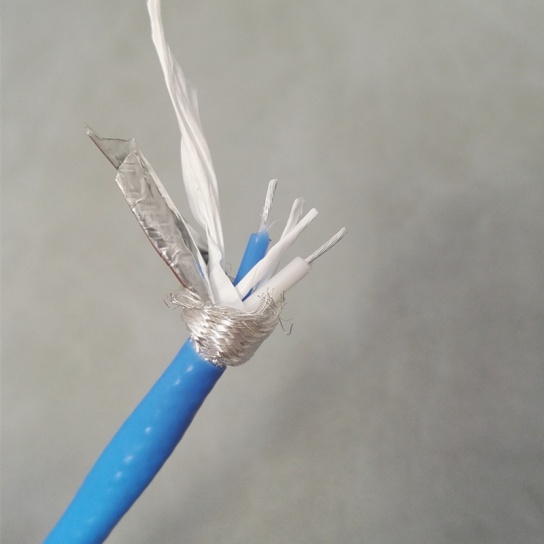
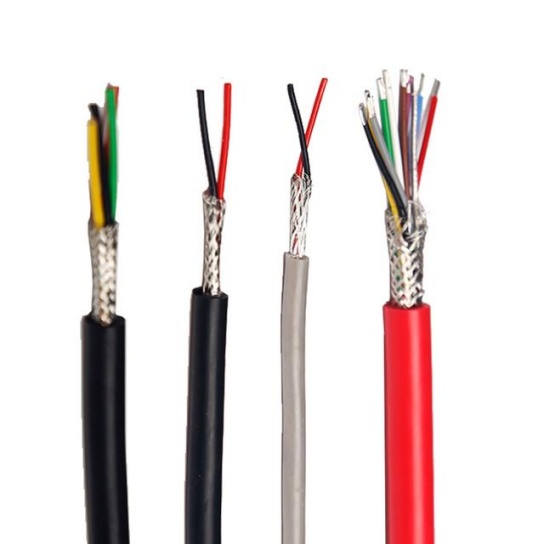
The design of the cable assembly also plays a crucial role. The thickness of the insulation layer directly impacts arcing resistance—thicker insulation provides a greater barrier to current leakage but must be balanced against weight and space constraints in aircraft. Additionally, the configuration of conductors, such as twisted pairs or shielded designs, can reduce the likelihood of arcing. Shielded cables, for example, minimize EMI and prevent arcing from affecting nearby components by containing electrical fields. The quality of conductor materials, such as copper or aluminum alloys, also matters; high-purity conductors with good conductivity reduce resistive heating, which can contribute to insulation degradation and arcing.
3. Manufacturing and Quality Control
Stringent manufacturing processes are essential to ensure consistent arcing resistance. Even minor defects in insulation, such as pinholes or cracks, can create weak points where arcing can initiate. Advanced manufacturing techniques, such as extrusion molding with precise temperature control, help produce uniform insulation layers free from flaws. Quality control measures, including dielectric strength testing, partial discharge testing, and visual inspection, are implemented at every stage of production to identify and reject substandard components. Dielectric strength testing involves applying increasing voltages to the cable until breakdown occurs, ensuring that only cables meeting or exceeding industry standards are deployed.
Technologies and Practices to Enhance Arcing Resistance
To address the evolving demands of modern aviation, ongoing advancements are being made in technologies and practices to boost the arcing resistance of aircraft cable assemblies.
1. Advanced Insulation Technologies
Researchers are developing new insulation materials with enhanced properties. For example, nanocomposite insulations, which incorporate nanoparticles into traditional polymers, offer improved dielectric strength, thermal conductivity, and resistance to partial discharges. These materials can withstand higher temperatures and voltages, making them ideal for next-generation aircraft with more powerful electrical systems. Additionally, self-healing insulations are being explored—these materials contain microcapsules that release healing agents when damaged, repairing small cracks or pinholes before they can lead to arcing.
2. Intelligent Monitoring Systems
The integration of intelligent monitoring systems into aircraft cable assemblies allows for real-time detection of potential arcing issues. Sensors embedded in the cables can measure parameters such as temperature, voltage, and current, alerting the flight crew to abnormal conditions before arcing occurs. These systems use data analytics and machine learning algorithms to predict failures, enabling proactive maintenance and reducing the risk of in-flight emergencies. For example, fiber optic sensors can detect subtle changes in insulation integrity, providing early warning of impending arcing.
3. Strict Compliance with Industry Standards
Adherence to rigorous industry standards is non-negotiable when it comes to ensuring arcing resistance. Organizations such as the Society of Automotive Engineers (SAE) and the International Electrotechnical Commission (IEC) have established detailed specifications for aircraft cable assemblies, including requirements for dielectric strength, flame resistance, and arcing resistance. Manufacturers must comply with these standards, such as SAE AS 22759 for electrical wires and cables, to ensure their products meet the safety and performance criteria of the aviation industry. Regular audits and certifications further validate compliance, giving airlines and aircraft manufacturers confidence in the reliability of the cable assemblies.
FRS: Your Trusted Partner for Arcing-Resistant Aircraft Cable Assemblies
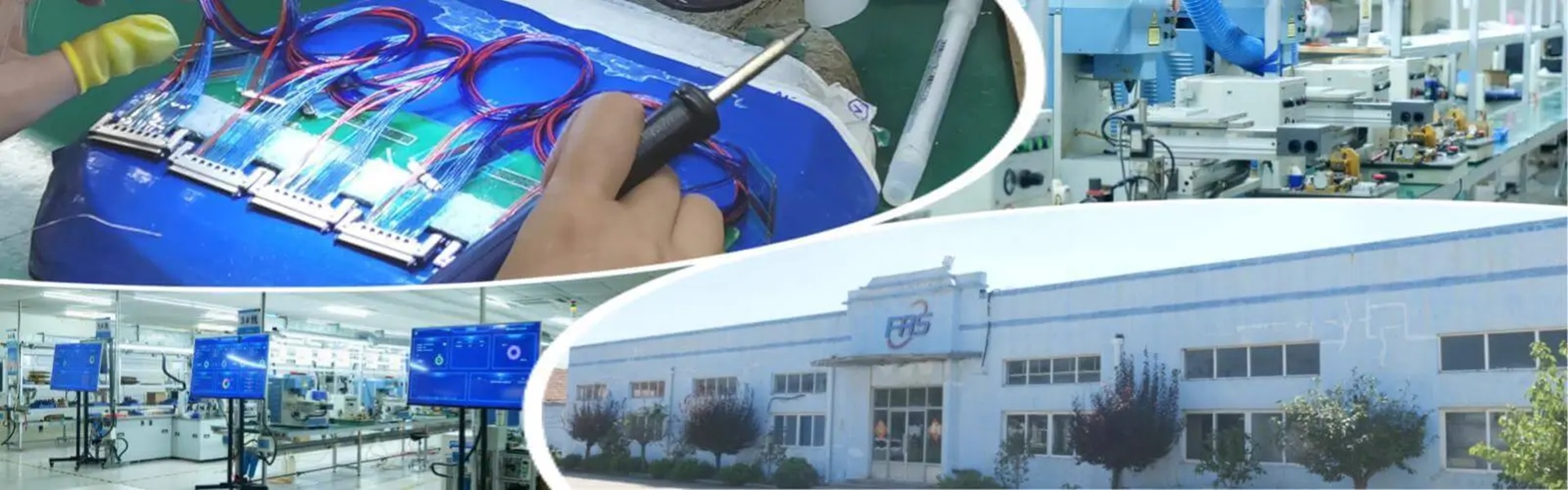
When it comes to aircraft cable assemblies that prioritize resistance to electrical arcing, FRS brand factory stands as a leader in the industry. With years of experience in designing and manufacturing aviation-grade electrical components, FRS combines cutting-edge technology, strict quality control, and a deep understanding of aviation safety requirements to deliver superior cable assemblies. FRS uses only the highest-quality insulation materials, such as XLPE, ETFE, and advanced nanocomposites, ensuring exceptional dielectric strength and heat resistance. Our state-of-the-art manufacturing facilities employ precision extrusion and rigorous testing processes, including dielectric strength and partial discharge testing, to eliminate defects and guarantee consistent performance. Whether you need standard cable assemblies or custom solutions tailored to your specific aircraft requirements, FRS is committed to providing reliable, safe, and arcing-resistant products that keep your aircraft operating smoothly. Choose FRS for aircraft cable assemblies you can trust—where safety and performance meet excellence.