Aircraft Cable Assemblies: Market Opportunities in Military Aviation
Aircraft cable assemblies serve as the “nervous system” of military aircraft, transmitting critical data, power, and control signals across avionics, weapons systems, and flight control modules. Unlike commercial aviation counterparts, military-grade cable assemblies must withstand extreme operational conditions—including high vibration, temperature fluctuations from -65°C to 150°C, chemical exposure, and electromagnetic interference (EMI)—while maintaining zero failure tolerance. As global defense modernization accelerates, the demand for advanced, reliable aircraft cable assemblies in military aviation is unlocking significant market opportunities.
Key Characteristics Driving Military Aviation Demand
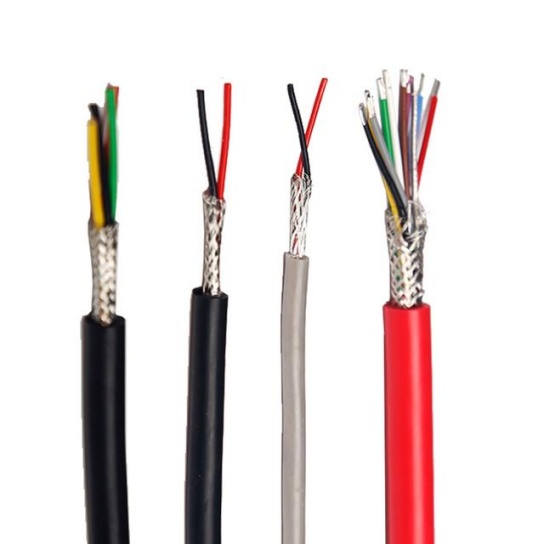
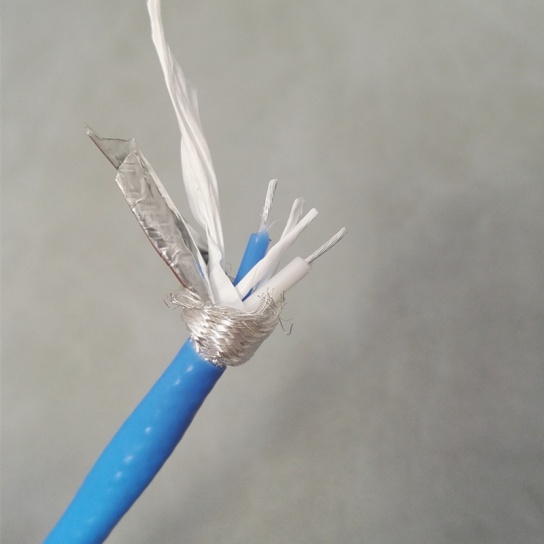
Military missions demand cable assemblies that balance durability, weight reduction, and performance. Lightweight materials such as aluminum alloy and composite-reinforced conductors are increasingly adopted to enhance aircraft fuel efficiency and payload capacity, without compromising tensile strength. EMI shielding is another non-negotiable feature: military aircraft operate in dense electromagnetic environments, so cable assemblies must integrate braided copper shielding or conductive polymers to prevent signal degradation and ensure secure communication between radar, navigation, and weapons systems.
Additionally, ruggedization is critical for battlefield resilience. Cable jackets made from fluoropolymers (e.g., PTFE) or ethylene tetrafluoroethylene (ETFE) resist abrasion, hydraulic fluids, and salt spray—essential for naval aviation and desert combat operations. Modular designs are also gaining traction, as they allow for faster maintenance and upgrades, reducing aircraft downtime in critical mission scenarios.
Market Opportunity Drivers in Military Aviation
Three primary factors are fueling growth in the military aircraft cable assembly market:
- Global Defense Budget Increases: Nations worldwide are boosting defense spending to address geopolitical tensions. For example, the U.S. Department of Defense (DoD) allocated over $886 billion in its 2024 budget, with a significant portion earmarked for aircraft modernization. Similarly, countries like China, India, and Germany are expanding their military aviation fleets, driving demand for new cable assembly installations and retrofits.
- Modernization of Aging Fleets: Many military forces operate legacy aircraft (e.g., U.S. Air Force F-16s, Russian Su-27s) that require upgrades to meet contemporary threat standards. Retrofitting these aircraft with advanced avionics and weapons systems necessitates replacement of outdated cable assemblies with high-performance alternatives, creating a robust aftermarket opportunity.
- Rise of Next-Gen Military Platforms: The development of stealth fighters (e.g., F-35 Lightning II, China’s J-20), unmanned aerial vehicles (UAVs), and hypersonic aircraft is pushing the boundaries of cable assembly technology. These platforms require miniaturized, high-data-rate cables that can operate in extreme heat and pressure conditions, opening new avenues for innovation and market expansion.
Regulatory and Compliance Considerations
Entering the military aviation cable assembly market requires adherence to stringent standards. The U.S. military mandates compliance with MIL-DTL-24643 (for general-purpose cable assemblies) and MIL-DTL-85049 (for high-temperature applications), while the European Union follows EN 4644 standards. Manufacturers must also obtain certifications such as AS9100 (aerospace quality management) and undergo rigorous testing—including environmental stress screening (ESS) and mechanical durability trials—to ensure product reliability.
FRS: Your Trusted Partner for Military-Grade Cable Assemblies
When it comes to sourcing aircraft cable assemblies for military aviation, FRS stands out as a leading manufacturing partner. With over two decades of experience in aerospace and defense, FRS specializes in producing MIL-spec cable assemblies tailored to the unique demands of military platforms. Our state-of-the-art facilities adhere to AS9100 and ISO 9001 standards, ensuring every product undergoes strict quality control—from material selection to final testing. Whether you need lightweight, EMI-shielded assemblies for stealth fighters or ruggedized solutions for naval aircraft, FRS delivers reliable, high-performance products that meet the most demanding mission requirements. Partner with FRS today to power your military aviation innovations.