Aircraft Cable Assemblies: Innovations in Shielding Effectiveness
In the complex and high-stakes environment of aerospace engineering, aircraft cable assemblies serve as the “nervous system” of an aircraft, transmitting critical data, power, and control signals between avionic systems. As modern aircraft become increasingly electrified and integrated with advanced technologies such as fly-by-wire systems, in-flight entertainment, and radar navigation, the demand for reliable signal integrity has never been higher. Shielding effectiveness (SE) in these cable assemblies is paramount—it protects against electromagnetic interference (EMI), radio frequency interference (RFI), and crosstalk, which can disrupt signals, compromise system performance, and even pose safety risks. This article explores the latest innovations in shielding technology for aircraft cable assemblies, highlighting how these advancements address industry challenges and elevate operational reliability.
The Limitations of Traditional Shielding Approaches
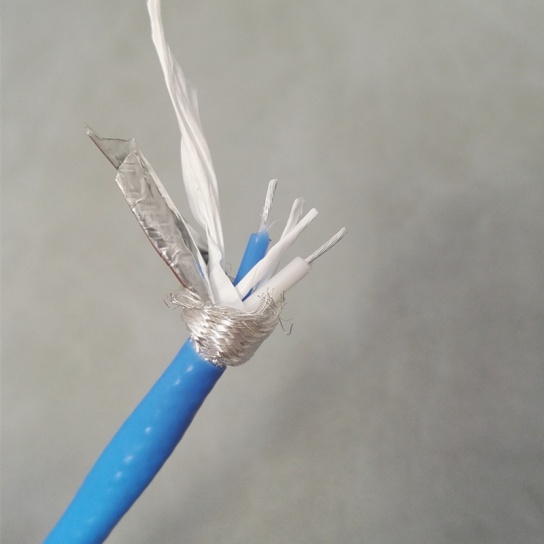
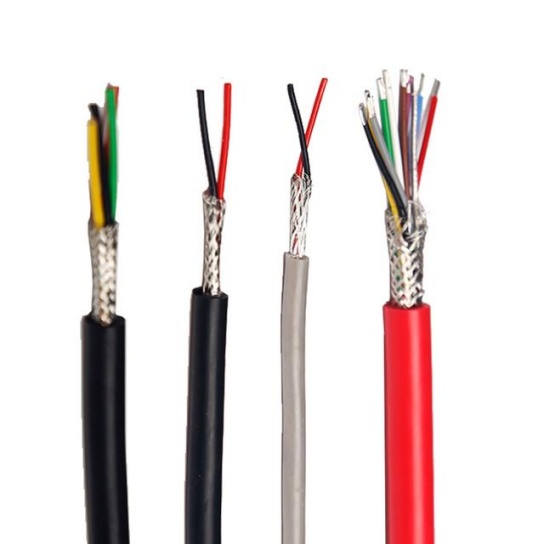
Traditional aircraft cable shielding methods, such as braided copper, aluminum foil, or a combination of both, have long been the industry standard. While effective for basic EMI/RFI protection, these approaches face significant limitations in modern aerospace applications. Braided shields, for example, typically have coverage gaps (ranging from 5% to 20%) that allow interference to penetrate, especially at higher frequencies. Foil shields, though offering 100% coverage, are prone to tearing during installation and lack mechanical durability, making them unsuitable for harsh aircraft environments where cables may be subjected to vibration, temperature fluctuations, and physical abrasion. Additionally, both methods add weight and bulk to cable assemblies—an important consideration in aerospace design, where every pound affects fuel efficiency and payload capacity.
Innovative Shielding Technologies Transforming the Industry
1. Nanocomposite Shielding Layers
One of the most promising innovations is the integration of nanocomposite materials into shielding layers. These materials combine a polymer matrix (such as polyimide or PEEK) with conductive nanoparticles (e.g., carbon nanotubes, graphene, or silver nanowires). The result is a lightweight, flexible shield with exceptional electrical conductivity and EMI/RFI attenuation. Nanocomposites offer several advantages over traditional materials: they provide 100% coverage without gaps, are resistant to tearing and abrasion, and reduce cable weight by up to 30% compared to braided copper. Moreover, their thin profile allows for tighter bending radii, making them ideal for use in confined spaces within aircraft, such as avionic racks or wing structures. Testing has shown that nanocomposite shields can achieve SE levels exceeding 80 dB across the frequency range of 1 MHz to 10 GHz, outperforming many traditional shielding solutions.
2. Braided-Shield Optimization with Advanced Alloys
To address the coverage gap issue of braided shields, manufacturers are now using advanced alloy materials and precision braiding techniques. For instance, shields made from tin-plated copper-clad steel (TPCCS) or nickel-silver alloys offer higher conductivity and mechanical strength than pure copper. By optimizing the braid angle (typically between 30° and 60°) and increasing the number of strands, engineers can reduce coverage gaps to less than 3%, significantly improving SE. Some manufacturers have also introduced “dual-braid” designs, where two layers of braided shield are oriented at opposing angles to create a overlapping, near-impermeable barrier against interference. These optimized braided shields maintain the flexibility and durability of traditional braids while delivering SE levels comparable to foil shields, making them suitable for high-vibration areas like engine compartments.
3. Active Shielding Systems
For applications requiring ultra-high SE (e.g., military aircraft or satellite communication systems), active shielding technology has emerged as a game-changer. Unlike passive shielding, which relies on conductive materials to block interference, active shielding uses a powered shield layer that generates an opposing electromagnetic field to cancel out incoming EMI/RFI. The system includes a sensor that detects interference, a controller that calculates the required counter-signal, and a conductive layer that emits the opposing field. Active shields can achieve SE levels of 100 dB or more, even at frequencies above 10 GHz, and are highly adaptable to changing interference environments. While active systems are more complex and costly than passive solutions, their performance benefits make them indispensable for critical avionic systems where signal integrity is non-negotiable.
Testing and Certification: Ensuring Compliance with Aerospace Standards
As shielding technologies evolve, so too do the testing and certification standards that govern their use in aircraft. The most widely recognized standards include SAE AS50881 (for aerospace cable assemblies) and MIL-STD-461 (for electromagnetic compatibility). These standards specify rigorous testing methods to measure SE, including the coaxial transmission line method (for frequencies up to 1 GHz) and the transverse electromagnetic (TEM) cell method (for higher frequencies). Innovations in testing equipment, such as automated EMI chambers and real-time spectrum analyzers, have made it easier to accurately measure SE under simulated in-flight conditions, ensuring that new shielding technologies meet the industry’s strict reliability requirements. Manufacturers must also conduct environmental testing—including temperature cycling, humidity exposure, and vibration testing—to verify that shielding performance remains consistent throughout the aircraft’s operational lifespan.
Conclusion: The Future of Shielding in Aircraft Cable Assemblies
The drive for lighter, more reliable, and higher-performance aircraft has accelerated innovation in shielding effectiveness for cable assemblies. From nanocomposite layers to active shielding systems, these advancements are not only addressing the limitations of traditional methods but also enabling the integration of next-generation avionic technologies. As the aerospace industry continues to push the boundaries of electrification and connectivity, shielding will remain a critical focus area, with ongoing research into even more advanced materials and designs.
For manufacturers and operators seeking cutting-edge aircraft cable assemblies with superior shielding effectiveness, FRS Brand Factory stands as a trusted partner. With decades of experience in aerospace cable engineering, FRS leverages the latest shielding innovations—including nanocomposite layers and optimized braided alloys—to deliver custom solutions that meet SAE AS50881, MIL-STD-461, and other global standards. FRS’s commitment to quality, reliability, and technical excellence ensures that its cable assemblies provide uncompromising signal integrity in the harshest aerospace environments. When performance and safety matter most, choose FRS Brand Factory for aircraft cable assemblies that redefine shielding effectiveness.