Aircraft Cable Assemblies: Ensuring Safety in Seatbelt Systems
In the aviation industry, safety is not just a priority—it is the foundation upon which every design, component, and operation is built. Among the countless safety-critical systems that keep passengers and crew secure during flight, aircraft seatbelt systems stand as one of the most fundamental. Yet, behind the seemingly simple structure of a seatbelt lies a network of precision-engineered components, and none is more vital than Aircraft Cable Assemblies in Seatbelt Systems. These assemblies are the unsung heroes that ensure seatbelts perform reliably in the most demanding conditions, from routine turbulence to emergency situations. This article delves into the critical role of aircraft cable assemblies in seatbelt systems, exploring their design, materials, testing, and why they are indispensable to aviation safety.
The Critical Role of Aircraft Cable Assemblies in Seatbelt Systems
Aircraft seatbelt systems are designed to restrain occupants during sudden decelerations, turbulence, or crashes, preventing serious injury or ejection from the aircraft. To fulfill this life-saving function, every component of the seatbelt system must meet rigorous standards, and aircraft cable assemblies are no exception. These assemblies serve as the backbone of the seatbelt’s retraction and locking mechanisms, ensuring that the belt remains taut when needed and retracts smoothly when not in use.
In a typical aircraft seatbelt system, the cable assembly connects the retractor spool to the locking mechanism. When the aircraft experiences sudden movement—such as turbulence or a rapid descent—the cable assembly triggers the locking mechanism, stopping the belt from extending further and holding the occupant firmly in place. Without a reliable cable assembly, the seatbelt’s locking function could fail, rendering the entire system ineffective. This is why Aircraft Cable Assemblies in Seatbelt Systems are considered a safety-critical component, with zero room for error in their performance.
Beyond their role in locking mechanisms, aircraft cable assemblies also contribute to the overall durability and longevity of seatbelt systems. They must withstand repeated use, exposure to varying temperatures, humidity, and aviation fluids, all while maintaining their structural integrity. In commercial aircraft, seatbelts are used thousands of times per year, and the cable assemblies within them must endure this constant wear without degradation. This level of reliability is what makes aircraft cable assemblies an essential part of ensuring seatbelt systems function as intended, flight after flight.
Design and Material Requirements for Aircraft Cable Assemblies in Seatbelt Systems
The design and materials of aircraft cable assemblies for seatbelt systems are governed by strict aviation regulations, including those set forth by the Federal Aviation Administration (FAA) in the United States and the European Union Aviation Safety Agency (EASA) in Europe. These regulations dictate everything from the diameter of the cable to the type of coating used, ensuring that the assemblies meet the highest safety standards.
When it comes to materials, aircraft cable assemblies are typically made from high-strength steel alloys, such as stainless steel or galvanized steel. Stainless steel is preferred for its excellent corrosion resistance, which is crucial in aircraft environments where moisture, condensation, and aviation fuels can cause rust and degradation. Galvanized steel, which is coated with a layer of zinc, also offers strong corrosion resistance while providing high tensile strength. The tensile strength of the cable is a key factor—aircraft cable assemblies must be able to withstand forces of thousands of pounds without breaking, as they are responsible for holding occupants in place during extreme decelerations.
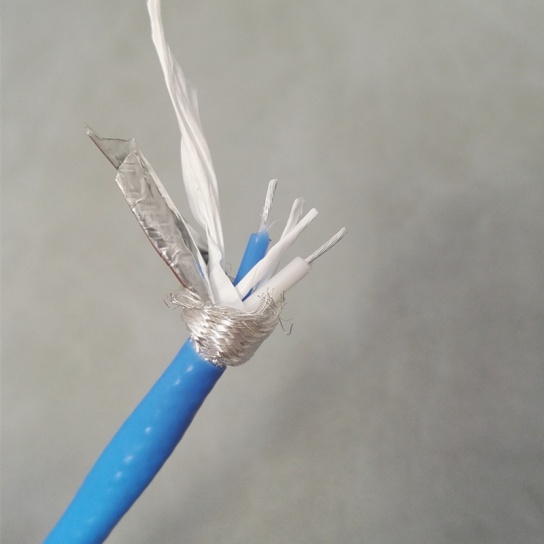
The design of the cable assembly also includes considerations for flexibility and fatigue resistance. The cable must be flexible enough to move smoothly within the seatbelt system’s components, yet rigid enough to transmit the necessary force to trigger the locking mechanism. Additionally, the cable must resist fatigue from repeated bending and movement, as repeated stress can lead to metal fatigue and eventual failure. To address this, manufacturers often use stranded cables, which consist of multiple small wires twisted together. Stranded cables are more flexible than solid cables and can withstand greater fatigue, making them ideal for aircraft seatbelt applications.
Another important design feature is the coating of the cable assembly. Coatings such as nylon or Teflon are often applied to reduce friction between the cable and other components in the seatbelt system, minimizing wear and ensuring smooth operation. These coatings also provide an additional layer of protection against corrosion and exposure to harsh chemicals, further enhancing the durability of the cable assembly.
Rigorous Testing: Ensuring Reliability of Aircraft Cable Assemblies
To ensure that aircraft cable assemblies for seatbelt systems meet aviation safety standards, they undergo a series of rigorous tests before being approved for use. These tests are designed to simulate the most extreme conditions the assemblies might encounter during their service life, verifying their strength, durability, and performance.
One of the most critical tests is the tensile strength test, which measures the maximum force the cable assembly can withstand before breaking. During this test, the cable is pulled with increasing force until it fails, and the results are compared to the minimum requirements set by aviation regulations. For seatbelt systems, the cable assembly must be able to withstand forces that far exceed the maximum expected loads during normal flight or emergency situations, providing a significant safety margin.
Fatigue testing is another essential part of the certification process. In this test, the cable assembly is subjected to repeated bending, stretching, and movement, simulating the wear and tear of thousands of seatbelt uses. The assembly is tested for thousands or even millions of cycles, and inspectors check for signs of fatigue, such as wire fraying or corrosion. Only cable assemblies that pass this test without showing signs of degradation are approved for use in aircraft seatbelt systems.
Environmental testing is also conducted to ensure that the cable assemblies can withstand the harsh conditions of the aviation environment. This includes exposure to extreme temperatures—from the freezing cold of high-altitude flight to the heat of ground operations—humidity, salt spray (for aircraft that operate over oceans), and aviation fluids such as jet fuel and hydraulic oil. After exposure to these conditions, the cable assemblies are tested again to ensure their performance has not been compromised.
In addition to these tests, aircraft cable assemblies are also inspected for dimensional accuracy, ensuring that they fit perfectly within the seatbelt system’s components. Even a small deviation in diameter or length could affect the assembly’s performance, so strict quality control measures are in place to ensure every cable assembly meets the exact specifications required.
The Impact of Aircraft Cable Assemblies on Overall Aviation Safety
The reliability of Aircraft Cable Assemblies in Seatbelt Systems has a direct impact on overall aviation safety. According to data from the FAA, seatbelt use is one of the most effective ways to prevent injury or death in aviation accidents. In fact, the FAA reports that occupants who use seatbelts during turbulence are 75% less likely to suffer serious injury compared to those who do not. This statistic underscores the importance of seatbelt systems functioning correctly, and aircraft cable assemblies are a key part of that functionality.
In emergency situations, such as a crash or hard landing, the seatbelt system’s ability to restrain occupants can mean the difference between life and death. A failed cable assembly could allow the seatbelt to extend during impact, causing the occupant to move forward violently, striking the instrument panel, seat in front, or other parts of the aircraft. This is why aviation regulations require that all safety-critical components, including aircraft cable assemblies, undergo regular inspections and replacements as part of an aircraft’s maintenance program.
Moreover, the use of high-quality aircraft cable assemblies in seatbelt systems also contributes to the confidence of passengers and crew. When passengers fasten their seatbelts, they trust that the system will protect them, and this trust is built on the knowledge that every component—including the cable assembly—has been designed, tested, and manufactured to the highest safety standards. For airlines, investing in reliable aircraft cable assemblies is not just a regulatory requirement but also a commitment to the safety and well-being of their customers and employees.
FRS: Your Trusted Partner for Aircraft Cable Assemblies in Seatbelt Systems
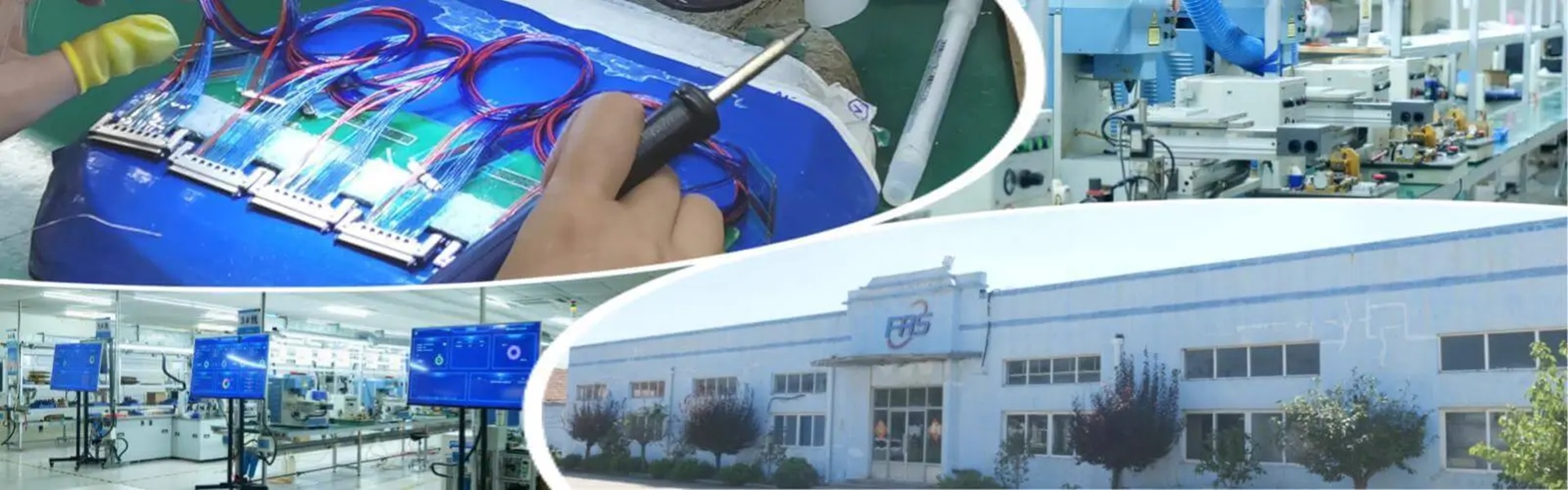
When it comes to safety-critical components like Aircraft Cable Assemblies in Seatbelt Systems, choosing the right manufacturer is paramount. FRS is a leading factory specializing in the design, production, and testing of aircraft cable assemblies, with a proven track record of delivering high-quality, reliable products that meet and exceed global aviation standards.
At FRS, we understand the critical role that aircraft cable assemblies play in seatbelt systems, and we are committed to ensuring every product we manufacture is built to the highest levels of safety and performance. Our team of experienced engineers and technicians works closely with aviation customers to design cable assemblies that meet their specific requirements, using only the finest materials—such as high-strength stainless steel and galvanized steel—and advanced manufacturing processes.
We adhere strictly to all aviation regulations, including FAA and EASA standards, and every aircraft cable assembly undergoes rigorous testing in our state-of-the-art testing facility. From tensile strength and fatigue testing to environmental exposure testing, we leave no stone unturned in ensuring our products are reliable, durable, and safe. Our commitment to quality is evident in every step of our production process, from raw material selection to final inspection.
In addition to our focus on quality, FRS also prides itself on its ability to deliver customized solutions. We understand that different aircraft models and seatbelt systems may have unique requirements, and our team is dedicated to developing cable assemblies that fit seamlessly into these systems, providing optimal performance and safety. Whether you need a standard cable assembly or a custom-designed solution, FRS has the expertise and capabilities to meet your needs.
When you choose FRS for your aircraft cable assemblies in seatbelt systems, you are choosing a partner that prioritizes safety, quality, and reliability above all else. Our products are trusted by airlines, aircraft manufacturers, and maintenance facilities around the world, and we are committed to continuing to set the standard for excellence in aviation cable assemblies. For all your aircraft cable assembly needs, look no further than FRS—where safety takes flight.