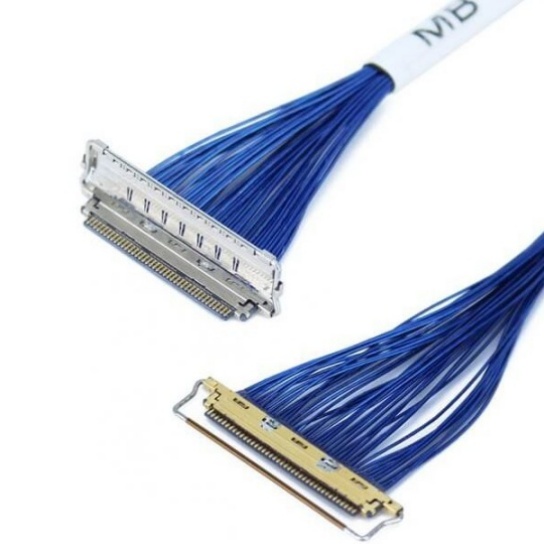
Aircraft Cable Assemblies: Ensuring Safety in Fuel Systems
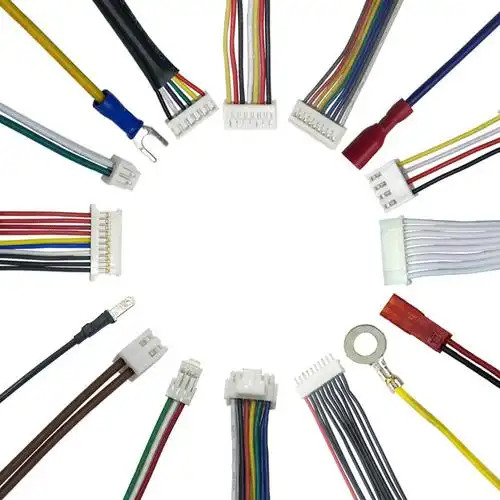
Aircraft fuel systems are critical to flight safety—any malfunction, from fuel leakage to incorrect flow control, can lead to catastrophic consequences. At the heart of these systems’ reliability lies a often-overlooked component: aircraft cable assemblies. These assemblies serve as the “nervous system” of fuel systems, transmitting critical electrical signals and power between sensors, pumps, valves, and the aircraft’s avionics. Their performance directly dictates whether fuel is monitored, controlled, and delivered safely throughout every phase of flight.
1. Core Safety Functions of Cable Assemblies in Fuel Systems
Aircraft cable assemblies are not just passive conductors; they enable three non-negotiable safety functions in fuel systems:
- Fuel Level & Quantity Monitoring: Precision is vital to avoid fuel imbalance (a major risk for aircraft stability). Cable assemblies connect fuel quantity sensors (e.g., capacitance or float-type) to the cockpit’s fuel gauge. A high-integrity cable ensures accurate, real-time data—preventing pilots from relying on incorrect fuel readings that could lead to in-flight fuel exhaustion.
- Fuel Pump Control: Fuel pumps (both in-wing and fuselage tanks) depend on cable assemblies to receive start/stop signals and power. Faulty cables (e.g., with broken conductors or insulation damage) can cause pumps to fail mid-flight, disrupting fuel flow to engines. High-reliability assemblies ensure pumps operate only when needed, avoiding over-pressurization or fuel starvation.
- Leak & Pressure Sensing: Modern fuel systems use pressure transducers and leak detectors to identify hazards like fuel line cracks. Cable assemblies transmit these sensors’ alerts to the aircraft’s warning system. A delayed or distorted signal (caused by poor cable performance) could delay pilot response to leaks—creating fire or explosion risks.
2. Key Design Features for Fuel System Safety
Not all cable assemblies are suitable for fuel systems. To withstand the harsh conditions of fuel environments (chemical corrosion, temperature extremes, and vibration), they must incorporate safety-focused design elements:
- Fuel-Resistant Materials: The insulation and jacketing of cables must resist degradation from jet fuel (e.g., JP-8) and additives. Fluoropolymer-based insulations (such as PTFE or FEP) are industry standards—they resist swelling, cracking, and chemical breakdown even after long-term exposure to fuel. Conductors, typically made of nickel-plated copper, add corrosion resistance and maintain electrical conductivity in moist or fuel-laden environments.
- Mechanical Durability: Aircraft experience constant vibration during takeoff, turbulence, and landing. Cable assemblies must have robust stranding (e.g., 19-strand or 37-strand conductors) to avoid fatigue failure. Additionally, strain relief boots at connector points prevent stress on cables where they attach to sensors or pumps—critical for preventing conductor breakage over time.
- Sealed Connectors: Fuel systems require airtight and fuel-tight connections to prevent leakage. Cable assemblies use sealed connectors (e.g., MIL-DTL-38999 with environmental seals) to block fuel vapor from entering electrical components. This not only prevents short circuits but also eliminates ignition risks in fuel-rich zones.
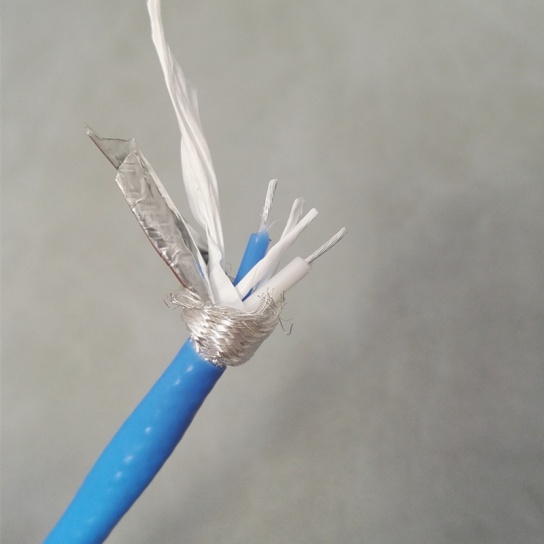
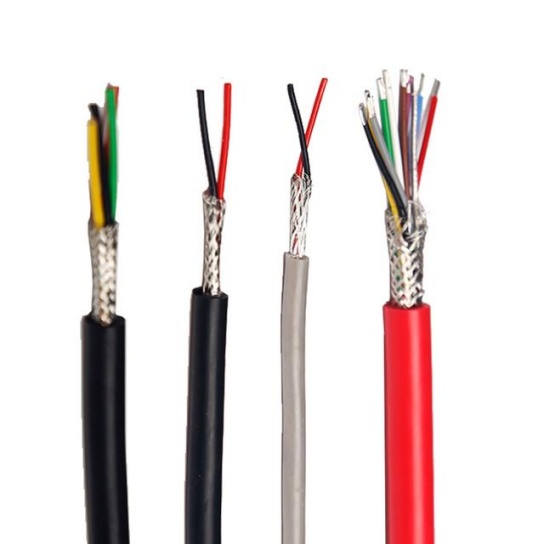
- EMC Compliance: Electromagnetic interference (EMI) from radar, radios, or other avionics can disrupt cable signals. Shielded cable assemblies (e.g., with braided tinned copper shields) block EMI, ensuring fuel system sensors and controls receive accurate signals—avoiding false alarms or incorrect pump/valve operation.
3. Best Practices for Installation & Maintenance
Even high-quality cable assemblies fail if installed or maintained improperly. To preserve fuel system safety:
- Follow Aerospace Standards: Installations must adhere to standards like SAE AS50881 (for aircraft cable assemblies) or ISO 10489 (for fuel system components). This includes proper routing (avoiding contact with hot surfaces or sharp edges) and torque specifications for connectors—over-tightening can damage seals, while under-tightening creates leak points.
- Regular Non-Destructive Testing (NDT): Routine inspections using techniques like insulation resistance testing (IRT) or visual inspection (with borescopes for hard-to-reach areas) identify early signs of wear. For example, IRT detects insulation degradation that could lead to short circuits, while visual checks spot cracked jackets or loose connectors.
- Environmental Validation: Before installation, cable assemblies should undergo environmental testing (temperature cycling from -55°C to 125°C, humidity exposure, and vibration testing) to ensure they perform in real-world fuel system conditions. This step eliminates “field failures” that could compromise safety.
Why FRS Delivers Safety You Can Trust
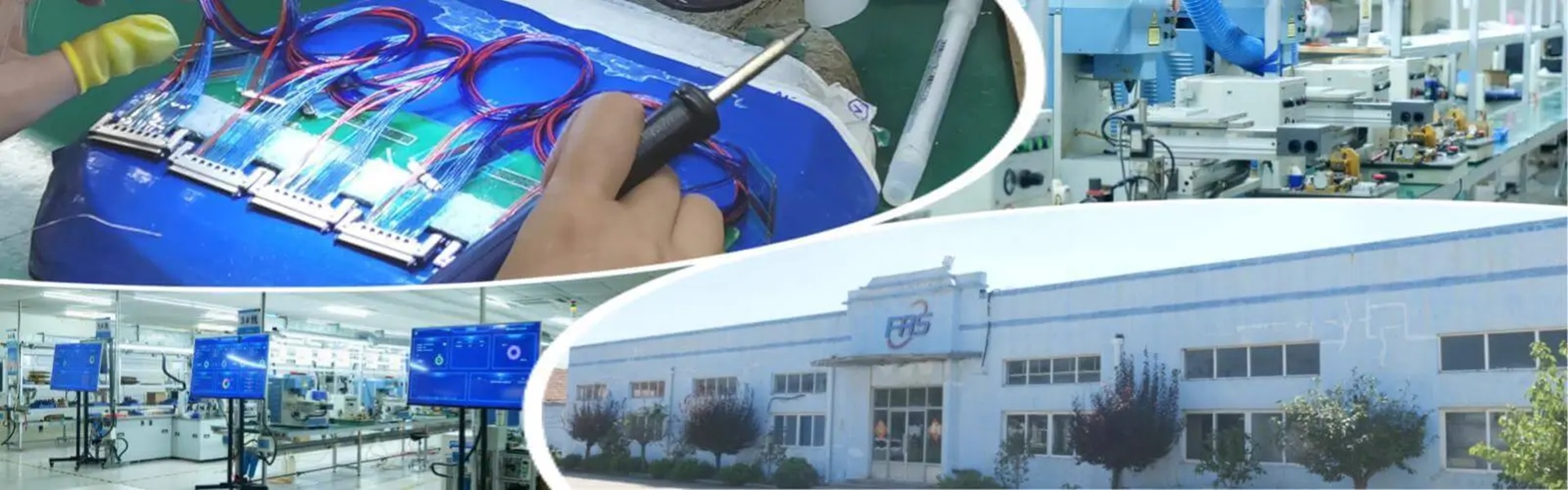
When it comes to aircraft cable assemblies for fuel systems, FRS brand factory combines decades of aerospace expertise with rigorous quality control. Every FRS cable assembly uses fuel-resistant fluoropolymer insulation and nickel-plated copper conductors, meets MIL-DTL and SAE standards, and undergoes 100% EMC and leak testing before shipment. Whether you need custom lengths for narrow-body jets or high-vibration-rated assemblies for military aircraft, FRS tailors solutions to your fuel system’s unique safety requirements. With FRS, you’re not just buying a cable—you’re investing in a component that protects against fuel system failures, flight after flight.