2026 Update: Silver Plated Copper Aviation Cable Sets New Benchmark for Aerospace Conductivity
In 2026, the aerospace industry continues its push toward more electric aircraft, higher data rates, and longer service lives. At the heart of this evolution is a seemingly simple component: the silver plated copper aviation cable. Once a niche choice for high-performance applications, it is now a baseline for many new aircraft programs and a critical enabler of next-generation avionics, flight controls, and power distribution.
This article explains why silver-plated copper has become the conductor of choice, how today’s cables achieve new benchmarks in conductivity and reliability, and what this means for engineers, MROs, and procurement teams specifying cables for 2026 and beyond.
💡 Why Silver-Plated Copper?
The conductor is the single most important factor in a cable’s electrical performance. While oxygen-free copper (OFC) is the traditional standard, aerospace-grade silver-plated copper offers a distinct set of advantages:
- Lower Resistance & Better High-Frequency Performance Silver has the highest electrical conductivity of any metal. A thin silver layer on a copper core combines copper’s ductility with silver’s superior conductivity. This is crucial at high frequencies, where current crowds near the conductor’s surface (the skin effect). Silver-plated copper exhibits measurably lower AC resistance, reducing signal loss and voltage drop, which is vital for modern avionics and high-speed data lines.
- Enhanced Reliability in Harsh Environments Aerospace environments expose cables to high temperatures, vibration, moisture, and salt spray. Silver plating provides a robust barrier against oxidation and corrosion. Even minor oxidation on a tin-plated or bare copper conductor can increase resistance and lead to premature failure. Silver’s resistance to oxidation ensures stable contact resistance over the cable’s lifetime, which can exceed 20 years in some aircraft.
- Compatibility with Advanced Insulation Modern aerospace cables use high-performance polymers like PTFE, ETFE, and XLETFE, which can operate reliably at temperatures from -65 °C to 200 °C or higher. Silver-plated copper is chemically compatible with these materials and maintains its integrity under thermal cycling, unlike some other platings.
- Meeting Growing Market Demand Market analyses consistently show strong growth for silver-plated copper in aerospace. It is the fastest-growing conductor materialin the aircraft wire and cable segment, with a CAGR of around 8%, driven by its use in high-temperature zones like engine bays and next-gen avionics.
📊 How Today’s Cables Set New Conductivity Benchmarks
The performance of a silver-plated copper aviation cable is defined by a combination of conductor design, plating quality, and overall cable construction. Here’s how 2026-era cables are achieving new benchmarks:
1. Advanced Conductor Design
- Stranded, High-Strength Alloys: Conductors are typically made from high-strength copper alloys, plated with silver to combine excellent conductivity with the mechanical robustness needed for tight bend radii and vibration resistance.
- Optimized Stranding: Modern designs use precise stranding to minimize “skin effect” losses at high frequencies and ensure flexibility for installation in complex harnesses.
2. Precision Silver Plating
- Controlled Thickness: Plating thickness is carefully controlled (often a few microns) to ensure full coverage without compromising flexibility. Standards like ASTM B298 govern the quality of the silver coating.
- High Purity: Both the copper core and the silver plating adhere to strict purity standards (e.g., 99.9% pure copper), ensuring low resistivity and long-term stability.
3. High-Performance Insulation & Shielding
- Insulation Materials: Common materials include PTFE, FEP, ETFE, XL-ETFE, and polyimide. For instance, BS EN 4612-009 specifies XLETFE insulation for cables rated from -65 °C to 150 °C and up to 600 V. Newer data cables, like those meeting BS EN 3375-008:2024, use fluoropolymer insulation rated for up to 200 °C to support high-speed data transmission.
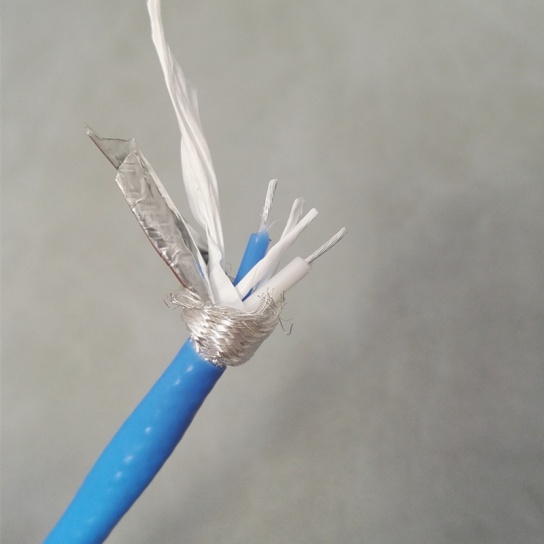
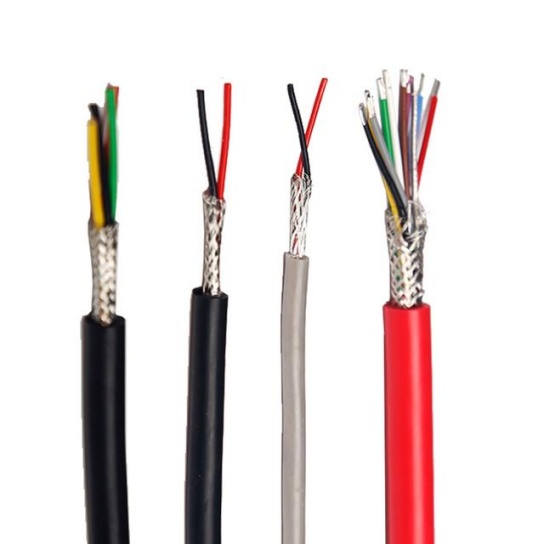
- Shielding: To combat electromagnetic interference (EMI), cables often feature shields made of silver-plated copper braid, aluminum foil, or a combination of both, providing 85–90% coverage or higher.
4. Meeting Stringent Standards
Compliance with aerospace and military standards ensures a baseline of quality and performance. Key standards include:
- MIL-W-22759 / SAE AS22759: The workhorse standard for aircraft wires, specifying construction, materials, and performance for extreme environments.
- EN 4612-009:2019: A European standard for general-purpose, silver-plated copper cables with XLETFE insulation.
- EN 3375-008:2024: A new standard for 100 Ω star-quad data cables capable of operating at 200 °C, essential for modern avionics.
- System-Level Standards: Cables must also function within the requirements of broader systems like AS50881 (wire harness design) and DO-160 (environmental testing).
🚀 Applications Benefiting from Enhanced Conductivity
The improved conductivity and reliability of silver-plated copper cables translate to tangible benefits across various aircraft systems:
- Flight Control & Avionics: In fly-by-wire systems, reliable signal transmission is paramount. Silver-plated copper cables minimize signal loss and voltage drop, ensuring accurate control surface positioning and flight data.
- Engine & Power Distribution: Cables in engine bays must withstand high temperatures and vibration. Silver-plated copper’s high-temperature stability and resistance to oxidation make it ideal for these harsh environments, from ignition systems to generator leads.
- High-Speed Data & Communications: For 100 Mbit/s and 1 Gbit/s Ethernet, as well as ARINC 429 and other avionics buses, these cables provide the low attenuation and impedance stability needed for data integrity.
- UAVs, eVTOLs & More Electric Aircraft: These platforms, with their high power demands and limited space/weight budgets, benefit greatly from the weight savings and high efficiency of silver-plated copper conductors.
✅ Specifying Silver-Plated Copper Aviation Cables: Key Considerations
When selecting a silver-plated copper aviation cable, a systematic approach is essential:
- Define the Operating Environment: Determine the temperature range, voltage, current, and exposure to chemicals, moisture, or radiation.
- Select the Right Standard: Choose a MIL-SPEC (e.g., AS22759), EN standard (e.g., EN 4612-009), or manufacturer specification that matches your application.
- Match Conductor Size to Current: Properly size the conductor to minimize I²R losses and thermal rise, considering the operating temperature and altitude.
- Evaluate Shielding Needs: For signal cables, ensure the shielding effectiveness meets the EMI/EMC requirements of your system.
- Verify Qualification & Traceability: Source from suppliers with established quality systems (e.g., NADCAP) and request test reports and material traceability documentation.
🔮 The Future: Trends to Watch
Looking ahead, several trends will continue to shape the role of silver-plated copper aviation cables:
- Integration with New Aircraft Architectures: As aircraft become more electric, the demand for high-voltage, high-current cables will grow, further leveraging the benefits of silver-plated conductors.
- Miniaturization & High-Density Interconnects: The trend toward smaller, lighter systems will require even finer conductors and advanced insulation, where silver plating remains critical for performance.
- Sustainability & Advanced Materials: While silver is valuable, research into recycling and alternative conductive materials continues. However, for the most demanding aerospace applications, silver-plated copper is likely to remain the benchmark for the foreseeable future.